

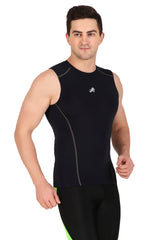
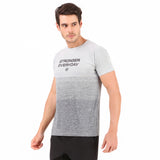
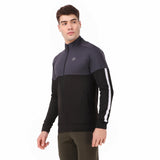

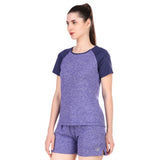
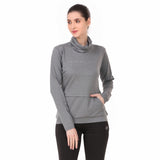
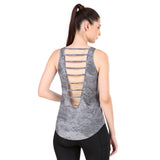
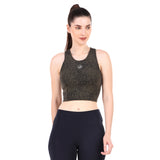
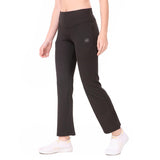
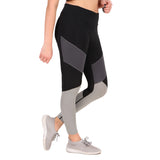
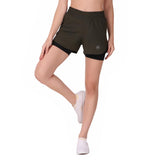
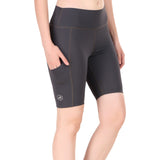

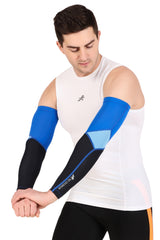
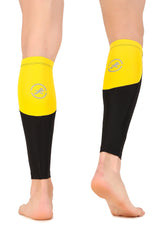


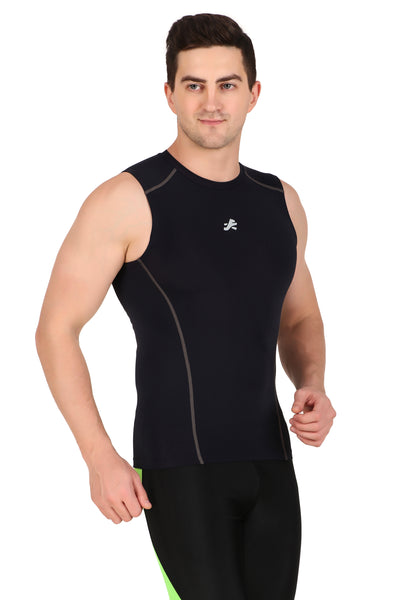

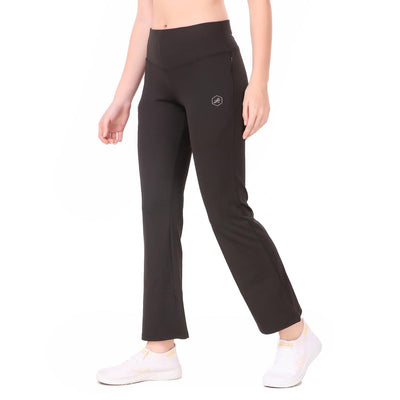
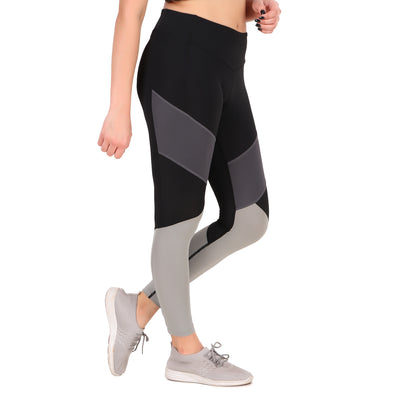
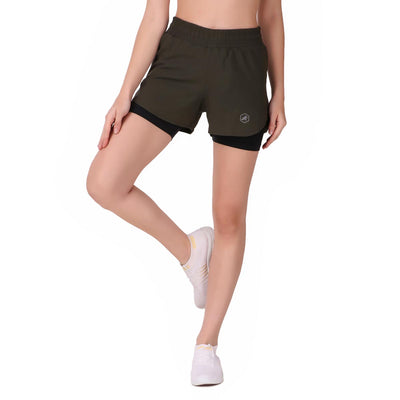
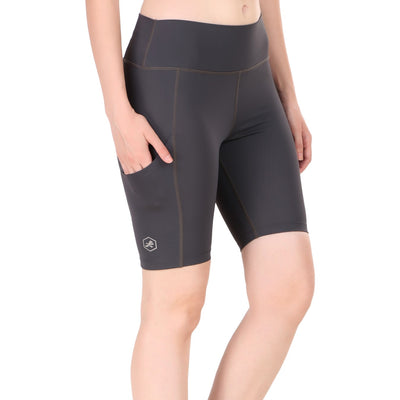
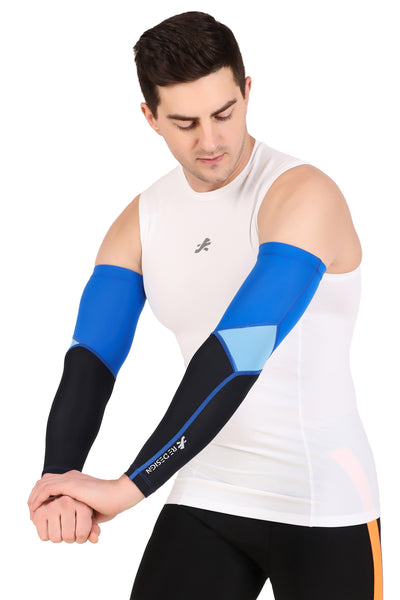
Stepping out into the biting morning chill of a North Indian December forces an immediate question: when looking at winter thermals vs compression wear, which base layer actually keeps you comfortable during training? While thermal inners have been an Indian household staple for generations, wearing heavy ribbed cotton under your workout clothes often results in a sweat-soaked nightmare once your heart rate climbs. The key difference lies in purpose: thermals trap static warm air for resting warmth, whereas athletic compression wear uses dense synthetic fabrics to manage sweat, support muscles, and prevent post-workout chills.
The North Indian Winter Dilemma: 5 AM Fog, Frigid Gyms, and Heavy Sweating
Between November and February, mornings across Delhi NCR, Punjab, Haryana, and Uttar Pradesh present a harsh training environment. Ambient temperatures routinely plunge between 4°C and 9°C, accompanied by dense fog, dew, and bitter morning winds. Athletes stepping out for early morning 5 AM road runs, cricket nets, or marathon prep face an immediate sensory shock. At the same time, commercial fitness centres across northern cities rarely have climate-controlled heating. Barbells, dumbbell knurling, and pull-up handles feel like solid ice to bare palms.
Choosing the right winter gym wear india fitness enthusiasts need means planning for a 15-degree swing between outdoor fog and indoor workout heat. When you begin your workout, your peripheral blood vessels constrict to conserve core heat, leaving your skin and muscles feeling cold, stiff, and sluggish. However, within fifteen minutes of high-intensity interval training, tempo running, or heavy barbell squats, your working muscles generate substantial metabolic heat. Your core body temperature rises, and your sweat glands activate aggressively.
This dynamic creates a serious apparel conflict. If you dress solely to survive the freezing first ten minutes on the road, you end up severely overheated by minute twenty. Conversely, if you step out in thin summer shorts and a cut-sleeve top, your muscles remain cold and tight, increasing the perception of effort and making warm-ups miserable. Solving this dilemma requires understanding the functional distinction between passive thermal insulation and active athletic compression.
How Winter Thermals Work: Loft, Trapped Air Pockets, and Passive Heat Retention
Traditional winter thermal inners—such as the ubiquitous cotton or wool-blend sets sold by domestic innerwear brands—rely on a simple thermodynamic principle: dead air entrapment. Air is a poor conductor of heat. By trapping a stagnant layer of air close to the skin, thermal fabrics reduce conductive and convective heat transfer from your body to the colder external environment.
To achieve this dead air barrier, thermal undergarments are manufactured with high fabric "loft." This is created using three-dimensional knit patterns, such as waffle weaves, honeycombs, or brushed inner fleeces. The microscopic peaks and valleys within the fabric structure hold pockets of warm air that have been heated by your body's basal metabolic rate. As long as you remain relatively still or engage in low-exertion activities like walking to the local market, commuting on a two-wheeler, or sitting at an office desk, thermal inners provide cozy, dependable insulation.
However, traditional thermals are engineered for passive environments. Their yarn structures are intentionally porous and lofty to hold air, but they lack active moisture-transport mechanisms. When your body transitions from resting to intense physical output, that very same lofty structure becomes an impediment to moisture management.
How Athletic Compression Works: Second-Skin Fiber Density and Active Capillary Action
Athletic compression wear operates on an entirely different physical framework. Rather than utilizing lofty, open air pockets, compression apparel is constructed from ultra-dense, continuous synthetic filaments—primarily nylon and polyester blended with elastane (spandex). The garments are engineered to fit skin-tight with consistent graduated tension across your muscle bellies.
When analyzing thermal inners vs compression base layer construction, you will immediately notice the difference in fit and fiber tension. By conforming directly against the contours of your limbs and torso, a compression garment eliminates dead air gaps entirely. This skin-tight physical interface serves two critical athletic functions in cold weather:
- Boundary Layer Stabilization: The garment forms an aerodynamic, second-skin barrier that shields the skin from cold convective drafts that seep through outer layers, preventing chilly air from circulating against your epidermis.
- Capillary Moisture Transport: High-denier synthetic fibers possess natural moisture-transport properties. The microscopic channels between tightly woven synthetic threads create capillary pressure that pulls sweat away from the skin surface and spreads it across the garment's outer face, accelerating evaporation even in cool air.
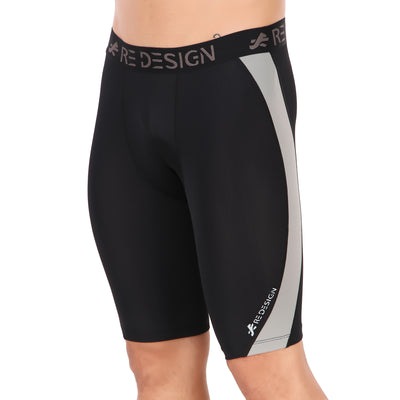
It is important to note that ReDesign Sports does not sell thermal inners or fleece thermals; rather, the Made in India brand focuses on performance athletic compression wear constructed from nylon-spandex and polyester-spandex compression fabrics. Established in Mangolpuri, Delhi, ReDesign Sports provides activewear tailored for Indian athletic conditions, with prices ranging roughly from Rs. 490 to Rs. 1,500.
The Sweat-Chill Trap: Why Cotton-Fleece Thermals Backfire During High-Intensity Cardio
When comparing winter thermals vs compression wear under heavy exertion, the thermodynamic behavior of moisture becomes the defining factor. The single biggest mistake North Indian athletes make during winter workouts is wearing traditional cotton-rich or wool-fleece thermal inners during high-intensity training.
Cotton is an exceptional natural sponge. It is capable of absorbing over twenty times its dry weight in liquid water. When you wear a thermal inner during a 5 km run or a heavy circuit session, the cotton fibers eagerly soak up every drop of sweat produced by your back, chest, and underarms. Because the thermal fabric has high loft and thickness, ambient air cannot circulate through it to evaporate the liquid, causing the inner layer to become thoroughly waterlogged.
This leads directly into the dangerous "sweat-chill trap." Water conducts heat away from the human body approximately 25 times faster than stationary air. The moment you pause your workout—whether waiting at a traffic signal during an outdoor run, resting between sets of squats, or cooling down after cricket practice—that sweat-soaked thermal inner stops insulating and begins acting like an icy wet compress wrapped around your chest. Your skin temperature drops precipitously, inducing violent shivering, muscle stiffening, and intense thermal discomfort.
Winter Thermals vs Compression Wear: A Direct Technical Comparison
To help you determine which garment belongs in your winter wardrobe, this comparative breakdown contrasts everyday thermal inners with athletic compression gear:
| Performance Parameter | Traditional Winter Thermals | Athletic Compression Wear |
|---|---|---|
| Primary Function | Passive heat trapping through lofted air pockets | Active sweat management, muscle stabilization, and draft protection |
| Fabric Composition | Cotton blends, wool, acrylic, or brushed polyester fleece | High-tension nylon-spandex or polyester-spandex blends |
| Fit Profile | Snug to relaxed; hangs loose around joints and underarms | Second-skin compressive fit that contours directly against muscles |
| Moisture Management | Poor; absorbs sweat and stays wet, causing post-exercise chilling | Excellent; moves perspiration via capillary action to outer surface |
| Muscle Oscillation Support | None; fabric offers no mechanical muscle containment | High; dampens soft-tissue vibrations during foot strikes and landings |
| Ideal Usage Scenarios | Daily casual wear, resting at home, cold morning commutes | Early morning running, HIIT, gym training, competitive outdoor sports |
Cold Muscle Protection: What Studies Suggest About Warmth and Strain Prevention
Exercising in cold weather alters the contractile mechanics of skeletal muscle. When ambient temperatures drop, superficial muscle tissue experiences reduced local blood flow due to peripheral vasoconstriction. Cold muscle fibers demonstrate decreased enzymatic reaction rates, reduced nerve conduction velocity, and lower calcium release from the sarcoplasmic reticulum. In practical terms, cold muscles contract more slowly, produce less peak power, and feel notably stiffer during explosive movements.
In a landmark 2003 study published in the Journal of Sports Sciences, researcher Brandon K. Doan and colleagues investigated the effects of lower-body compression garments on athletic performance and tissue mechanics. The researchers observed that wearing custom-fit compression apparel significantly accelerated the rate of skin temperature increase during dynamic warm-ups and helped maintain elevated surface temperatures compared to loose garments. Furthermore, the study demonstrated that compression garments significantly decreased soft-tissue muscle oscillation during landing impacts.
Subsequent sports science research, including a 2016 systematic review by Florian Engel and colleagues in Sports Medicine, examined the broader physiological impact of compression clothing on runners. The review noted that while compression apparel does not miraculously boost VO2 max or alter core metabolic economy, it consistently aids in dampening muscle oscillation and improving subjective sensations of muscle stability and thermal comfort during and after exercise.
By dampening the vibrational sway of large muscle groups (such as the quadriceps, hamstrings, and calves) during foot strike on frozen pavement, compression gear helps reduce soft-tissue microtrauma. However, it is essential to maintain realistic expectations regarding sports science findings:
Health and safety notice: While research suggests that compression base layers can aid in maintaining skin warmth and reducing soft-tissue oscillation during cold weather workouts, compression garments are not medical devices and do not guarantee the prevention of muscle strains, tears, or injuries. Always perform a thorough 10-to-15-minute dynamic warm-up before intense physical exertion in the cold. If you suffer from chronic circulatory issues, varicose veins, or persistent muscle pain, consult a qualified medical doctor or sports physiotherapist.
Layering Mastery: Pairing Full-Sleeve Compression Tops with Outer Jackets
Mastering winter athletic performance in North India requires building an adaptable, three-tier layering system rather than relying on one bulky, heavy coat. Each layer in this system serves a distinct physical role.
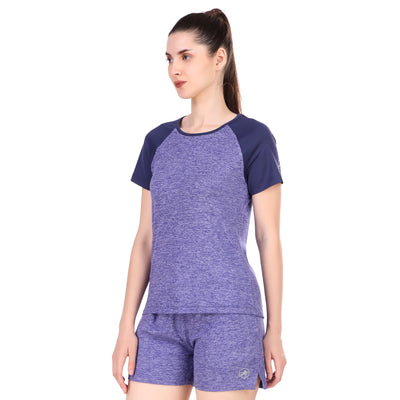
As a dedicated cold weather running base layer, a close-fitting synthetic top blocks drafts from penetrating loose outer layers. Your base layer should always consist of a long-sleeve compression shirt. You can wear men's long sleeve compression t-shirts or women's long sleeve tops directly against bare skin. The snug compressive fit ensures that sweat is immediately wicked away from your pores, keeping your torso dry and preventing cold air from circulating against your skin.
Over your compression base layer, add an insulating mid-layer during freezing 5 AM starts. This can be a standard athletic t-shirt, a lightweight technical quarter-zip, or a breathable polyester running hoodie. The mid-layer absorbs the moisture passed outward by your compression top and traps a thin boundary of warmed air without trapping liquid against your body.
Finally, your outer layer serves as an environmental shield against wind, morning fog, and road drizzle. A lightweight, packable nylon windbreaker or running vest works best. Look for an outer shell with zippered armpit vents or a breathable mesh back panel. As your core temperature rises during kilometer four or five of your workout, you can easily unzip or take off the windbreaker and tie it around your waist, continuing your run in complete comfort without overheating.
Lower Body Layering: Compression Tights vs. Thermal Leggings on Winter Runs
Debating thermal tights vs compression pants for morning jogs comes down to seam friction and joint mobility. Running is a repetitive sagittal-plane movement; over a 10 km training run, your legs complete roughly 8,000 strides. Bulky thermal bottoms or fleece-lined sweatpants introduce unnecessary friction between the inner thighs, while loose fabric bunches uncomfortably behind the knees during knee flexion.
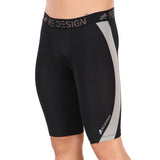
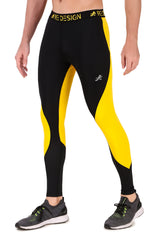
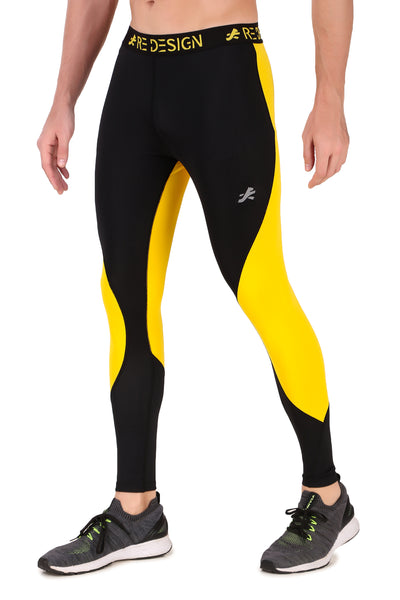
Choosing dedicated men's compression pants solves these mechanical issues. The slick exterior finish of synthetic compression fabrics eliminates inner-thigh friction, allowing your legs to stride smoothly without chafing. Furthermore, compression tights provide full ankle-to-hip coverage that shields your Achilles tendons, calves, and hamstring insertions from cold morning headwinds.
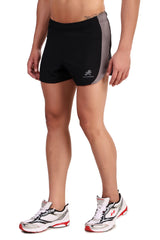
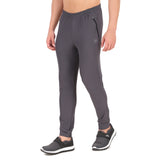
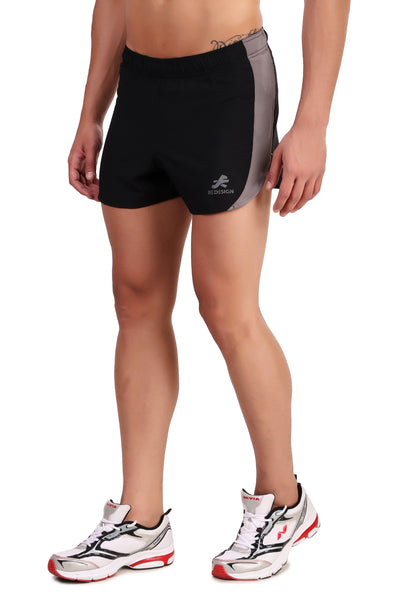
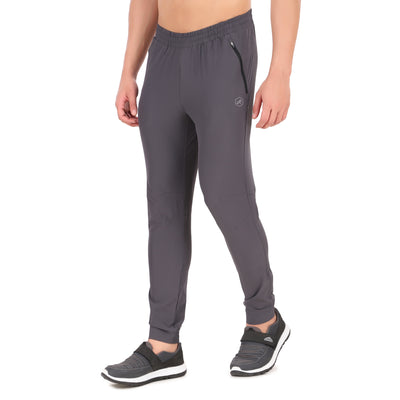
For modest coverage or extra warmth during warm-ups at the track, you can easily layer breathable running shorts or lightweight men's track pants over your compression tights. Once your legs are warm and you begin sprint intervals or heavy lifting sets, track pants can be shed in seconds, leaving you in a streamlined, non-restrictive compression layer that stays securely in place.
The Verdict: When to Choose Thermals vs. When to Rely on Compression Gear
The final decision between winter thermals vs compression wear comes down to metabolic output. Both garments have an important place in an Indian winter wardrobe, but confusing their roles leads to either freezing discomfort or heavy, sweat-soaked frustration.
Reach for traditional winter thermals when:
- You are engaging in sedentary or low-intensity daily activities (lounging at home, working at an office desk, or sleeping).
- You are commuting on a motorcycle or scooter in early morning fog where you are exposed to biting wind without generating metabolic heat.
- You are spectating outdoor sports, such as watching a Ranji Trophy cricket match from the stands in December.
Rely on athletic compression wear when:
- You are performing cardiovascular exercise, running, football, cricket fielding drills, or cycling where you will sweat heavily.
- You are training in cold, unheated commercial gyms or garage setups where you need muscle containment and skin warmth without fabric bulk.
- You require base layers that slide effortlessly beneath technical running jackets and track bottoms without bunching, chafing, or trapping sweat.
See every style in one place in our compression wear collection, with the size and fit guide.
Frequently asked questions
Can I wear compression tights instead of thermal inners in winter?
Yes, you can wear compression tights instead of thermal inners if you are engaged in active movement, walking, or sports. Compression tights provide a close-fitting barrier that shields your skin from cold drafts while actively managing sweat. However, if you are sitting completely still in an unheated room for hours, traditional fleece or wool thermal inners provide superior passive heat retention because their lofty knit structure traps more insulating air.
Do compression shirts keep you warm during early morning winter runs?
Compression shirts help keep you comfortable during cold morning runs by acting as a protective second skin that reduces convective heat loss from wind exposure. More importantly, they move sweat away from your skin immediately, preventing the damp chill that occurs when sweat cools on bare skin. For near-freezing mornings, pair your compression shirt with a lightweight windbreaker to block icy headwinds.
Why do I feel freezing after working out in traditional cotton thermals?
You feel freezing because cotton fibers absorb large quantities of sweat and hold onto it rather than allowing it to evaporate. Wet fabric conducts heat away from your body roughly 25 times faster than dry air. As soon as your workout stops and your muscles stop producing intense heat, the cold, sweat-soaked cotton thermal acts like an ice pack pressed against your skin, causing rapid shivering and thermal discomfort.
Can you layer a gym t-shirt over a full-sleeve compression base layer?
Yes, layering a standard gym t-shirt or loose training top over a full-sleeve compression shirt is an effective and popular cold-weather styling choice. The compression base layer sits tight against the skin to manage sweat and shield against drafts, while the outer t-shirt provides modest visual coverage and adds a thin layer of warmth without restricting shoulder movement.
Is compression wear suitable for daily casual wear in cold weather?
Yes, athletic compression tops and tights can be worn as everyday base layers under jeans, sweaters, or casual trousers. Many people prefer compression garments over bulky traditional thermals because their sleek profile fits comfortably under slim-cut trousers and work shirts without bunching. However, ensure the compression level is comfortable for all-day sitting and does not restrict your waistline or joints.
Understanding how technical fabrics handle cold and moisture ensures you stay consistent with your fitness routine right through the coldest winter months. ReDesign Sports manufactures high-quality Made in India compression wear from durable nylon-spandex and polyester-spandex compression fabrics. Serving over 10,00,000 customers across India and featured in Hindustan Times and Forbes India, ReDesign Sports offers practical, reliable athletic gear priced roughly from Rs. 490 to Rs. 1,500 to keep you moving through every season.