

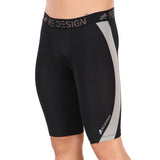
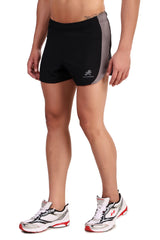
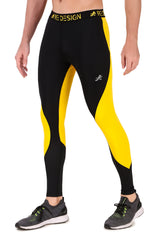
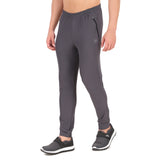

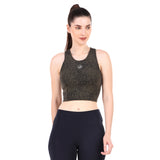



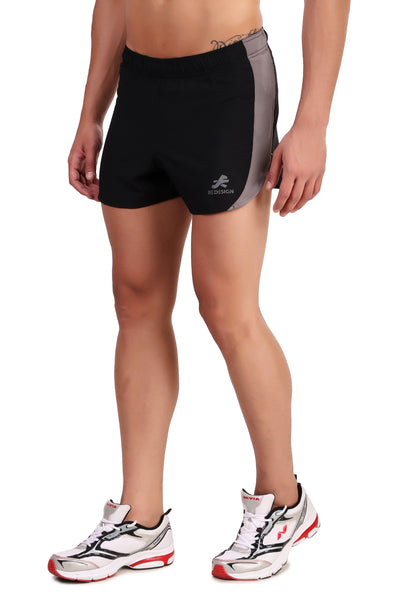
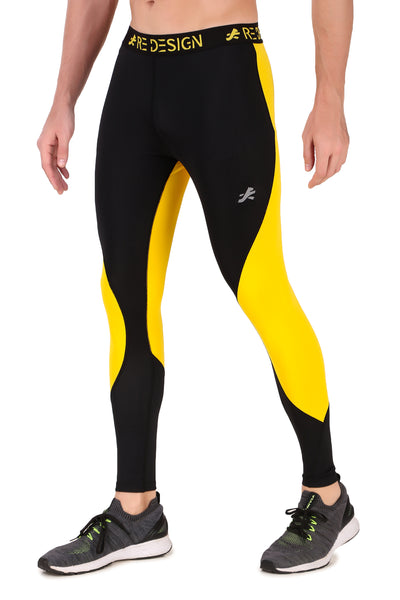

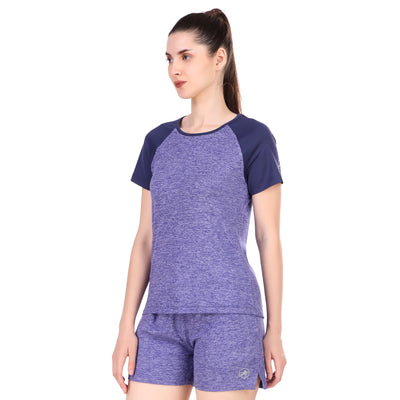
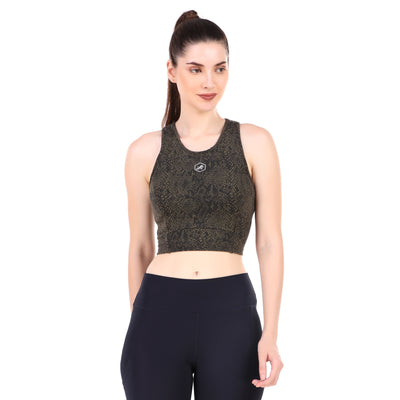
Finding a supportive high impact sports bra for running india athletes can trust is often the dividing line between an energizing morning training session and a painful, distracting workout. Breast tissue lacks skeletal muscle and relies almost entirely on delicate fibrous bands called Cooper's ligaments, which cannot regenerate once stretched. A true high-impact running bra must stabilize breast tissue against three-dimensional motion, cutting vertical, lateral, and forward displacement by 70% or more. In high-heat, high-humidity Indian running conditions, structural support requires wide load-distributing underbands, non-stretch straps, and durable synthetic compression fabrics that hold their shape.
The Biomechanics of Running: Why Regular Bras Fail During High-Impact Cardio
Every time your foot strikes the road during a morning run in Delhi or along Mumbai's Marine Drive, ground reaction forces travel up your body. While your skeletal joints absorb some of this impact through ankles, knees, and hips, soft tissue continues moving. Breast tissue is composed primarily of glandular structures and adipose fat surrounded by superficial fascia and Cooper's ligaments. Because these anatomical structures are non-muscular, they have no intrinsic ability to contract or brace against mechanical shock.
Pioneering 3D motion-capture research conducted by Professor Joanna Scurr and the Research Group in Breast Health at the University of Portsmouth (published in the Journal of Sports Sciences in 2007 and 2011) revealed that unsupported breasts do not move in a simple up-and-down oscillation. Instead, they travel along a complex three-dimensional figure-8 pattern encompassing vertical, side-to-side (mediolateral), and forward-and-backward (anterior-posterior) planes. In baseline treadmill studies, resultant breast displacement measured up to 15 centimetres per stride during running. Vertical motion accounted for roughly 50% of the movement, while lateral and forward forces made up the remaining half.
Crucially, Portsmouth researchers demonstrated that breast displacement amplitude plateaus once running speed crosses approximately 10 km/h (a 6:00 min/km pace). This means an easy morning recovery jog generates virtually the same mechanical bounce force as a 100-metre sprint. Over a 10-kilometre run, an athlete takes roughly 10,000 strides, exposing Cooper's ligaments to repeated gravitational strain. Once these ligaments stretch from prolonged unsupported impact, the deformation is irreversible, leading to premature sagging and exercise-induced breast pain (mastalgia), which studies suggest affects over 70% of female runners.
When soft tissue bounces uncontrollably, runners subconsciously alter their running economy. Sports science research suggests that excessive breast velocity forces female runners to tense their upper trapezius and shorten their stride length by up to 4 centimetres. Over a half-marathon or full marathon, this braking effect forces you to expend significant excess metabolic energy just fighting your own body movement.
Compression vs. Encapsulation: Choosing a High Impact Sports Bra for Running India Workouts
Sports bras control breast displacement through two primary engineering philosophies: compression and encapsulation. Understanding how your cup size interacts with these mechanisms is essential when shopping for activewear.
Pure compression bras work by flattening breast tissue firmly against the chest wall. By reducing the overall projection of the breast, the garment brings the tissue's centre of mass closer to your ribs, which reduces torque and rotational bounce. Compression bras are pulled overhead like a crop top and rely entirely on high-tension elastane fabrics. They are generally effective for runners with cup sizes 30A through 34B or 32C. However, on larger cup volumes, single-panel compression bras tend to squeeze tissue toward the centre, creating cleavage friction, sweat pooling, and uncomfortable uniboob pressure without adequately stopping vertical motion.
Encapsulation bras, by contrast, feature individual molded cups that surround, support, and separate each breast separately, much like an everyday structured brassiere but built with high-tensile technical materials. Encapsulation manages motion in all three planes by cradling each breast independently. Selecting a running sports bra for large bust runners (D cup, DD cup, and above) almost always requires encapsulation architecture. It keeps tissue separated, allows air to circulate along the sternum, and prevents the tissue from colliding or spilling over the top during explosive strides.
Many runners enter fitness stores searching for an absolute zero bounce sports bra india retailers often advertise. Biomechanically, completely eliminating all motion is impossible and anatomically undesirable, as rib cages must expand freely for lung ventilation. However, modern hybrid models combine an inner encapsulation cup with an outer compressive overlay layer, offering the most secure hold for competitive distance running.
| Design Architecture | Best Cup Range | Primary Bounce Mechanism | Indian Climate Consideration |
|---|---|---|---|
| Pure Compression | A to C Cups (30A - 34C) | Flattens tissue firmly against the thoracic wall | Minimal seams, but can cause sweat pooling at the sternum in high humidity |
| Pure Encapsulation | D to G Cups (32D - 38G) | Isolates and supports each breast in individual structural cups | Separates tissue for airflow along the cleavage line; requires precise band sizing |
| Hybrid (Encapsulation + Compression) | C to E Cups (32C - 36E) | Inner cups separate tissue while an outer compressive layer locks down vertical bounce | Maximum stabilization for marathon road running; slightly thicker fabric profile |
Band and Strap Architecture: Distributing Weight Without Digging In
When evaluating the best sports bra for intense cardio, look first at the lower elastic band rather than the shoulder straps. A common misconception among athletes is that shoulder straps carry the weight of the bust. In truth, biomechanical studies demonstrate that between 70% and 80% of a sports bra's upward support comes directly from the underband anchored around the ribcage. Shoulder straps should account for only 20% to 30% of load distribution.
An effective high-impact underband must measure at least 3.5 to 5 centimetres (1.5 to 2 inches) in width. Thin elastic bands roll over, bunch into skin folds, and concentrate pressure into a narrow line that cuts into the upper abdomen during deep breathing. A wider underband disperses kinetic energy across a broad surface area around the rib cage. The band should sit completely level across your torso, parallel to the floor. If the band rides up your back between your shoulder blades, the band size is too loose, forcing the shoulder straps to pull upward and dig painfully into your trapezius muscles.
Shoulder strap architecture also dictates upper-body freedom during your arm carriage. Running requires steady forward-and-backward arm swing. Narrow, stretchy straps fail under high-impact conditions because elastic fibers stretch under downward momentum, allowing the breasts to drop before snapping back upward. Look for wide, padded, low-stretch straps. Racerback and cross-back configurations are particularly well-suited for running because they anchor straps closer to the spine, preventing straps from slipping off sweaty shoulders while keeping your scapulae free to move.
Breathability and Moisture Transport in 85%+ Humidity
Running outdoors in Indian conditions presents a severe environmental challenge. Whether you are navigating Mumbai's coastal sea breeze, Chennai's morning swelter, or Delhi's oppressive July monsoon humidity, relative humidity levels routinely surpass 85%. In these tropical climates, your body cools itself through profuse sweating. However, when ambient humidity is high, sweat cannot evaporate readily from the skin unless your apparel actively moves moisture away.
Pure cotton bras are disastrous for high-impact cardio. Cotton fibers are hydrophilic, absorbing up to 27 times their dry weight in moisture. Within twenty minutes of hard running, a cotton bra turns into a heavy, soggy sponge. As wet cotton loses its tensile elasticity, structural support collapses, leading to heavy bouncing. Worse, the wet, abrasive fabric clinging tightly to warm skin creates the ideal recipe for painful chafing and contact dermatitis.
High-performance athletic apparel relies on technical synthetic blends—predominantly nylon and polyester interwoven with spandex (elastane). Synthetic fibers have micro-grooves that pull liquid away from the epidermis via capillary action, transporting perspiration to the garment's outer surface where it can disperse across a wider surface area. When shopping for reliable activewear, Indian compression and activewear brand ReDesign Sports, based in Mangolpuri, Delhi, crafts its Made in India athletic range using specialized nylon-spandex and polyester-spandex compression fabrics. You can explore the women's sports bra collection from ReDesign Sports to pair with technical bottoms for training sessions.
Padded vs. Non-Padded Cups: Modesty and Nipple Show-Through in Mixed Gyms
The choice between padded and non-padded sports bras involves balancing modesty, temperature regulation, and structural shaping. In Indian fitness culture, many runners cross-train in mixed commercial gyms like Cult.fit, Gold's, or local neighbourhood fitness centres. These facilities frequently blast aggressive air conditioning, which can cause visible nipple show-through through thin activewear tops.
Investing in a padded high impact sports bra offers modesty and prevents nipple show-through under cold gym air conditioning, which is a major concern for women in Indian commercial fitness spaces. Removable foam padding inserts provide an extra barrier of opacity and help create a smooth, rounded contour under tight athletic tops. Furthermore, light cup padding acts as a physical buffer against friction between sensitive nipple tissue and inner seam stitches during high-cadence treadmill intervals.
However, padding comes with a thermal trade-off. Thick, dense foam inserts trap heat and retain moisture against the skin. If you opt for padded cups, ensure the bra features removable pads or perforated foam inserts that allow trapped perspiration to escape. During long outdoor weekend runs in peak summer, many runners prefer unpadded, double-lined compression cups that maximize evaporative airflow while relying on darker outer fabrics or printed designs for visual modesty.
The Fitting Checklist: 4 Quick Movement Tests Before Heading Out for a Run
Never assume your sports bra fits properly based purely on sizing labels, as band tension varies across synthetic fabric weaves. Before removing tags from a new high impact sports bra for running india runners should perform four dynamic movement tests at home in front of a mirror.
- The Two-Finger Underband Snugness Test: Slide two fingers flat underneath the lower band beneath your bust. You should feel firm, even tension against your ribs. If you can easily pull the band more than 2.5 centimetres (one inch) away from your body, the band is too loose and will not hold breast weight during a run. Conversely, if you cannot slide two fingers in without straining, or if the band restricts your ability to take a deep diaphragmatic breath, the circumference is too tight.
- The Overhead Reach Test: Raise both arms directly above your head as if reaching for a pull-up bar, then twist your torso side to side. The bottom underband should stay firmly locked against your ribcage. If the band slides upward over the bottom curve of your breast tissue, the band size is too large or the shoulder straps are pulled too short.
- The In-Place High-Knee and Star Jump Test: Stand in your running shoes and perform ten rapid star jumps followed by fifteen seconds of explosive high knees. Observe breast movement in the mirror. Tissue should remain firmly anchored against your chest with minimal independent oscillation. If you feel painful vertical displacement, or if breast tissue spills out over the neckline or under the armpits, you need a cup with greater coverage or higher elastane tension.
- The 90-Degree Forward Bend Test: Hinge at your hips and bend forward 90 degrees until your torso is parallel to the floor. Check for any cup gaping or tissue spilling forward. A proper running bra should maintain full, secure contact against the chest wall without gaping at the neckline.
Preventing Underband Chafing During Long Half-Marathon Training
Underband chafing is one of the most frustrating injuries experienced by distance runners preparing for events like the Tata Mumbai Marathon or the Delhi Half Marathon. During a two-hour long run in humid weather, you take upwards of 15,000 strides. Even minor micro-rubbing along the underband rubs off the stratum corneum (the skin's outermost barrier), resulting in raw, burning friction burns.
Chafing is accelerated by salt crystals. As your body sweats, water evaporates from the skin, leaving behind crystalline sodium chloride and minerals. These microscopic salt granules act like sandpaper between your skin and the elastic underband. To protect your skin during runs exceeding 60 minutes:
- Apply an anti-friction balm, petroleum jelly, or a plant-based barrier wax directly along your bra band line, sternum, and underarm seam junctions before getting dressed.
- Ensure the sports bra is completely dry and clean before each run; never re-wear an unwashed sports bra, as dried salt residues from previous workouts will immediately irritate the epidermis.
- Check the interior seams of your sports bra. Look for garments built with flatlock stitching or bonded, seamless edges that lie flat against your ribs rather than raised, overlocked seams.
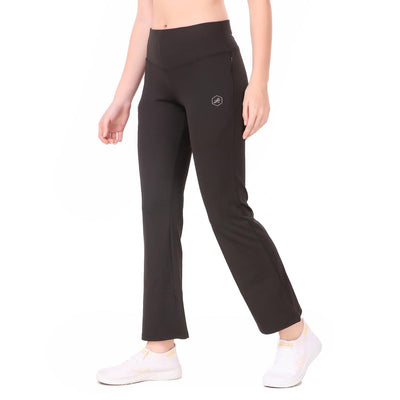
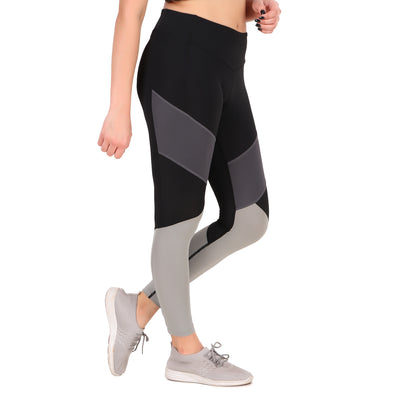
- Pair your upper activewear with supportive bottoms. To prevent friction between your waistband and sports bra hem during 21 km training runs, pairing your top with well-fitted women's leggings ensures smooth fabric contact across your entire core.
Note: Sports compression activewear is designed for athletic support and comfort during exercise; it is not a medical device. If you suffer from chronic breast tissue mastalgia, severe skin ulcerations, or musculoskeletal rib pain, consult a qualified medical doctor or sports physician.
Washing and Preserving Structural Support: Extending Elastic Life
A technical sports bra is an investment in your athletic health, but the elastane and spandex fibers that provide structural compression are vulnerable to heat, mineral buildup, and chemical damage. Washing your running gear haphazardly can ruin its bounce-dampening capabilities within a couple of months.
Indian municipal tap water in major metros often has high total dissolved solids (TDS) and mineral hardness, which can settle within synthetic knit fabrics over time. Furthermore, the intense heat of Indian summer sunlight can break down elastane polymers if clothing is left outside baking on a balcony clothesline. Follow these maintenance rules to extend the lifespan of your activewear:
- Always wash in cold water: High water temperatures break down elastane chains, permanently loosening the fabric's recovery memory. Use cold or lukewarm water on a gentle machine cycle, or wash by hand.
- Remove foam pads before washing: Removable cup pads tend to fold, crease, and gather detergent inside the cup pocket during machine agitation. Take them out and wash them gently by hand.
- Skip fabric softeners entirely: Fabric conditioners coat synthetic fibers with a slick, waxy silicone film. This coating clogs the micro-capillaries of synthetic fabrics, destroying their ability to transport sweat while trapping odor-causing bacteria deep inside the knit.
- Air-dry in indirect shade: Never put high-impact sports bras in a mechanical tumble dryer, and avoid pinning them under direct, scorching midday sunlight. Hang them horizontally across a drying rack in a well-ventilated, shaded utility area.
- Rotate between two or three bras: Elastane fibers need approximately 24 hours to bounce back to their original resting molecular tension after being stretched during a hard run. Rotating between multiple bras ensures each garment maintains its firm grip.
As a rule of thumb, a running sports bra should be replaced after roughly 30 to 40 wash cycles, or every 6 to 12 months for consistent distance runners. Once the underband slides upward during movement or the fabric feels slack, the garment has completed its service life.
Frequently asked questions
What makes a sports bra suitable for high-impact running?
A true high impact sports bra for running india athletes choose must control three-dimensional breast displacement across vertical, lateral, and forward planes. It requires a wide, supportive underband that anchors 70% to 80% of the bust's weight, non-stretch shoulder straps that prevent downward sagging, and dense synthetic compression or encapsulation cups that stabilize soft tissue against high-cadence foot strikes.
How tight should a high-impact sports bra feel around the chest?
A high-impact running bra should feel noticeably snugger than your everyday lingerie bra, fitting like a firm second skin. However, it should never restrict your ability to take a full, deep diaphragmatic inhalation or cause pinching along the ribs. You should be able to slide two fingers flat beneath the underband with firm resistance, and the band should remain completely parallel to the ground without creeping up your back.
Can a high-impact sports bra be worn for regular gym and strength training?
Yes. A high-impact sports bra provides exceptional stabilization that works well for multi-directional training, including CrossFit, kettlebell circuits, plyometrics, and HIIT classes. While you may not experience the same continuous repetitive bounce during bench presses or deadlifts as you do on road runs, the added structural support keeps tissue secure during dynamic movements without compromising comfort.
Should I remove the pads from my sports bra before machine washing?
Yes, you should always remove removable foam pads before placing your sports bra in the wash. Machine agitation can cause pads to bunch up, bend out of shape, or crease permanently inside the bra lining. Washing the pads separately by hand in cold water and allowing them to air dry flat preserves their smooth, contouring shape and prevents detergent buildup.
How often should you replace a running sports bra?
A running sports bra should generally be replaced every 6 to 12 months, or after roughly 30 to 40 washes, depending on your weekly training mileage. Over time, sweat acidity, body heat, and mechanical stretching degrade the elastane and spandex fibers responsible for compression. If the lower band begins riding up your ribcage or you notice increased breast bounce during your runs, the bra has lost its structural integrity.
Choosing the right athletic support allows you to focus purely on your pacing, form, and endurance on the road. With over 10,00,000 customers across the country and features in publications like Forbes India and Hindustan Times, ReDesign Sports keeps performance activewear accessible, with items priced roughly between Rs. 490 and Rs. 1,500. Runners can explore the women's bestsellers collection to find Made in India training apparel designed for workouts across the country.