

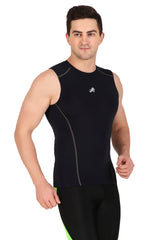
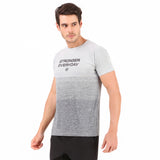
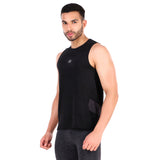
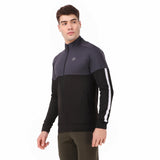
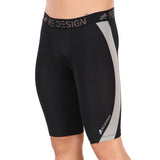
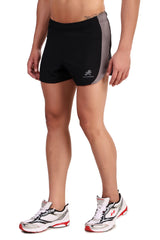
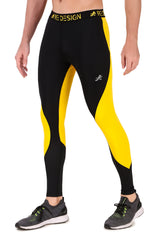
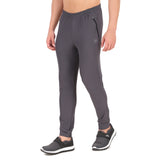

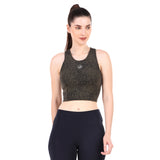
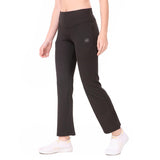
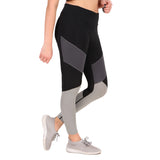
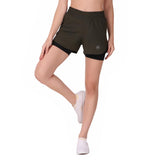
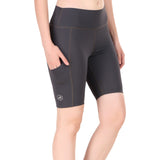

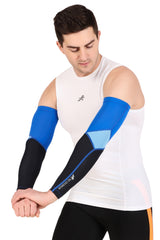
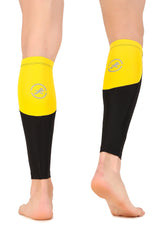


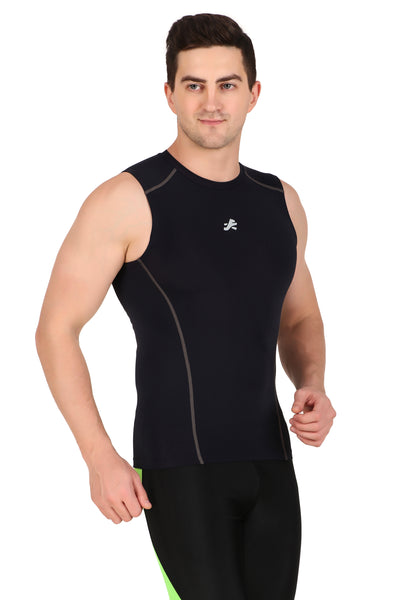

Finding dependable gym activewear under 1000 in India has historically forced fitness enthusiasts to choose between scratchy marketplace garments that lose shape after two washes and exorbitant international labels that charge upwards of Rs. 3,500 for a basic polyester top. The good news for Indian lifters, runners, and everyday gym-goers is that technical performance clothing does not require luxury price tags. By understanding synthetic fabric blends, seam engineering, and four-way stretch mechanics, you can easily build a durable, high-performing workout wardrobe while keeping your budget firmly under Rs. 1,000 per piece.
The ₹1,000 Activewear Myth: Why High Performance Doesn't Require Luxury Markups
For years, multinational sportswear giants convinced Indian consumers that high-performance training gear is inherently expensive. When you pay Rs. 3,000 to Rs. 5,000 for an imported training shirt at a shopping mall in Mumbai, Bengaluru, or Delhi, only a fraction of that retail price represents the actual cost of fabric and stitching. The remainder covers expensive global celebrity endorsements, prime retail mall rentals, multi-tiered distributor margins, and international shipping logistics.
At a functional, biological level, activewear has a straightforward job: move with your body during loaded human movement, resist mechanical abrasion from barbells and dumbbells, and allow perspiration to evaporate quickly rather than clinging like damp cotton. Modern textile mills produce technical synthetic yarns with outstanding tensile strength and elasticity at reasonable baseline manufacturing costs. When these materials are assembled correctly, affordable gym wear india fitness enthusiasts buy can deliver the exact structural durability and range of motion required for demanding workouts without inflating the price.
The Cost Breakdown: How Direct-to-Consumer Indian Manufacturing Cuts Bloat
India is a global powerhouse in textile manufacturing. From spinning and weaving hubs to specialized industrial garment factories in Delhi-NCR, Surat, Ludhiana, and Tiruppur, domestic textile infrastructure produces top-tier technical apparel for global export. The rise of Indian direct-to-consumer (D2C) sportswear brands has reorganized this supply chain to benefit local gym-goers.
By manufacturing garments domestically and selling directly through online storefronts, homegrown brands bypass the traditional retail middleman markup:
- Eliminating Middleman Tiers: Traditional retail channels pass a product through national distributors, regional wholesalers, and local franchise stores, with each layer tacking on a 20% to 35% margin. D2C brands ship straight from the factory floor to your doorstep.
- Bypassing Mall Real Estate Overheads: High-street retail rentals in Indian metropolitan malls add significant overhead costs to every single garment sold on the floor. Operating online avoids these commercial property costs entirely.
- Focused Domestic Production: Local production avoids steep import customs duties and international freight charges, allowing brands to reinvest resources into technical knitted fabrics like polyester-spandex and nylon-spandex.
As a result of this streamlined supply chain, genuine technical activewear can be offered directly to Indian athletes within the accessible Rs. 490 to Rs. 1,500 price bracket.
What to Inspect in Gym Activewear Under 1000: 4-Way Stretch vs. Rigid 2-Way Polyester
When shopping for gym activewear under 1000, the most critical element to examine on the product specification sheet is the fabric construction. Many budget marketplace sellers advertise "dry-fit" or "sports polyester" at prices under Rs. 300, only for buyers to receive a stiff, shiny, 100% spun polyester shirt that feels like wearing a plastic bag. Understanding stretch mechanics separates functional training wear from cheap fashion synthetics.
Mechanical fabrics generally fall into two categories:
- 2-Way Stretch: This fabric stretches in only one direction—typically horizontally across the grain—while remaining rigid vertically. While 2-way stretch is acceptable for casual walking shorts, it binds severely during functional training movements like overhead presses, pull-ups, or barbell squats.
- 4-Way Stretch: This advanced knit stretches both crosswise and lengthwise, recovering its original shape immediately after extension. True 4-way stretch requires the incorporation of elastane (spandex) yarns alongside technical polyester or nylon filaments.
Always inspect product tags for synthetic blends containing elastane or spandex. A pure 100% polyester garment lacks multidirectional elasticity and tends to trap heat during rigorous training sessions, whereas a blended knit provides the flex necessary for full-depth squats and explosive Olympic lifts.
Seam Inspection: Flatlock Anti-Chafe Stitching vs. Rough Overlock Seams
The second indicator of quality in gym clothes under 1000 is seam construction. How the fabric panels are joined together dictates whether a garment feels comfortable or causes painful chafing across your chest, underarms, and inner thighs during high-sweat sessions.
| Inspection Criterion | Cheap Marketplace Synthetics (Under ₹400) | Value Technical Activewear (₹490 to ₹1,000) |
|---|---|---|
| Fabric Composition | 100% rigid spun polyester; lacks elastane or spandex. | Knitted polyester-spandex or nylon-spandex blends. |
| Elastic Recovery & Stretch | Mechanical 2-way stretch only; sags or restricts squats. | True 4-way stretch that recovers its shape after full extension. |
| Internal Seam Profile | Bulky overlock ridge that rubs against sweaty skin. | Flat interlocking seams that lie smooth against friction areas. |
| Waistband Construction | Thin elastic encased in loose fabric that rolls or folds over. | Wide, reinforced elastic bands that remain secure during movement. |
| Washing & Colour Retention | High tendency to pill, bleed dyes, and trap persistent odours. | Colourfast synthetic yarns that maintain tensile strength when air-dried. |
Cheaper activewear relies on traditional 3-thread or 4-thread overlock stitching. An overlock seam joins two fabric panels by sandwiching the raw edges together, creating a raised, ridged seam along the inside of the garment. When you run or perform repetitive bench pressing in hot weather, that raised seam acts like sandpaper against sweaty skin. Technical athletic garments utilize flatlock stitching, where the fabric edges are butted together and interlocked with multi-needle thread patterns. This creates a flat, smooth seam profile on both the interior and exterior of the garment, virtually eliminating friction points during intense training.
Building a Complete 3-Piece Gym Kit for Under ₹1,500
Building a high-value training rotation does not require a large capital outlay. By shopping smart and taking advantage of platform promotions, you can assemble a complete three-piece gym outfit—a compression top, athletic training shorts, and active accessories—for roughly Rs. 1,500.
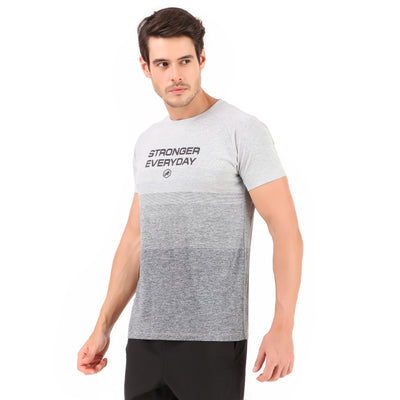
- The Base Top (Rs. 490 to Rs. 650): Start with a fitted short-sleeve or sleeveless training top crafted from a flexible synthetic blend. Selecting a technical top from the men's bestsellers collection ensures you secure an athletic cut engineered for unhindered shoulder mobility.
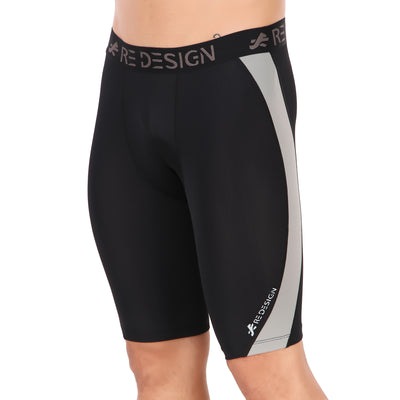
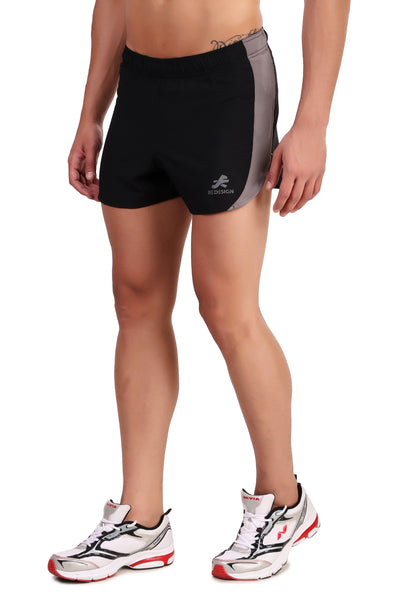
- The Training Bottoms (Rs. 550 to Rs. 750): Add unlined or lined athletic training shorts designed with a secure waistband and functional pockets. Exploring versatile men's active shorts gives you bottoms suited for leg days, outdoor runs, or cricket practice.
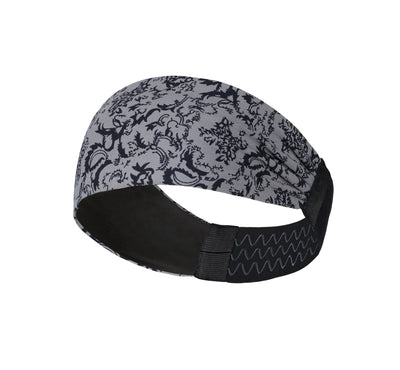
- The Workout Accessory (Rs. 250 to Rs. 350): Complete your kit with a sweat-managing sports headband or training wristband to keep perspiration out of your eyes during intense summer training sessions.
By purchasing from homegrown brands that offer automated checkout discounts and free domestic shipping on orders crossing Rs. 500, your total expenditure remains well within a practical budget.
Budget Compression Tops: Sleeve Lengths and Necklines That Endure
If you prefer a supportive, second-skin fit for strength training or cardiovascular conditioning, finding a reliable compression t shirt under 500 to Rs. 700 is entirely achievable. However, compression tops face significant mechanical stress during wear, so careful attention to sleeve architecture and neckline construction is essential.
Consider these design details when selecting your compression tops:
- Short-Sleeve Compression Tops: The quintessential choice for everyday gym workouts. Look for raglan sleeve cuts, where the seam runs diagonally from the collarbone down to the underarm rather than sitting squarely on the shoulder point. Raglan construction prevents the seam from digging into your trapezius muscles when racking a barbell for back squats. You can inspect various raglan cuts in the men's short-sleeve compression t-shirts range.
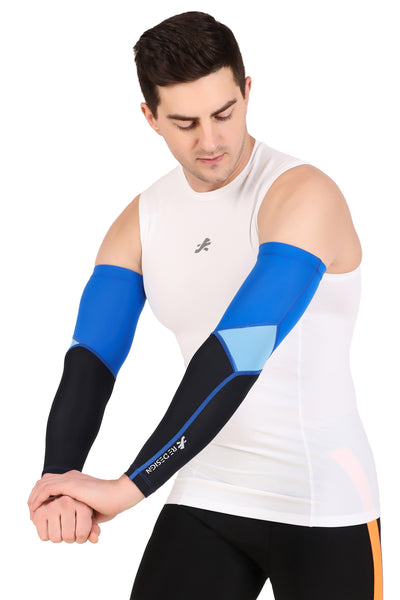
- Full-Sleeve Tops: Ideal for outdoor training or cooler morning workouts, full sleeves provide continuous limb coverage. Ensure the wrist cuffs feature reinforced stitching so the sleeves stay anchored at your wrists without riding up your forearms during push-ups or burpees.
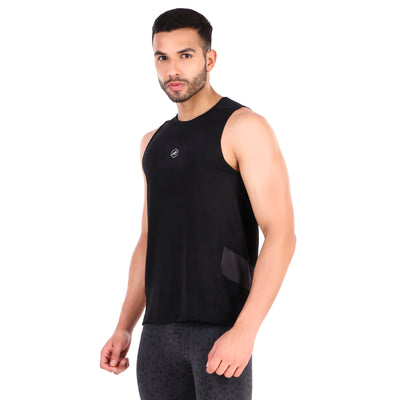
- Sleeveless / Cut-Sleeve Tops: Best for warm, humid gym environments where maximal airflow around the armpits and lats is preferred. Check that the armhole openings are bound with elasticized tape so they do not sag or lose shape after multiple laundry cycles.
- Crew Neck Reinforcement: Cheap tops often develop a wavy, stretched-out collar (commonly called "bacon collar") after three washes. Quality athletic tops feature a double-stitched ribbed or self-fabric neckband that retains its circular shape over repeated gym sessions.
Budget Athletic Bottoms: Track Pants, Tights, and Shorts Under ₹1,000
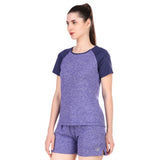
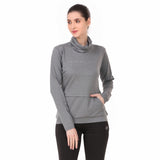
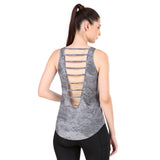
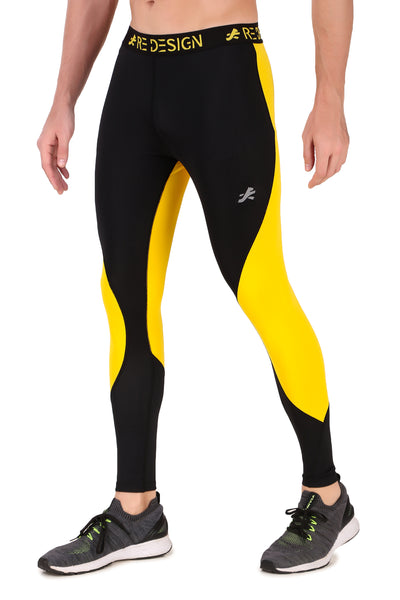
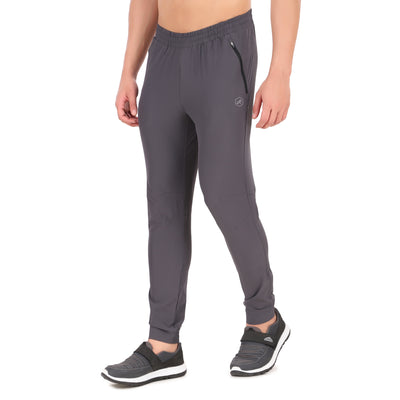
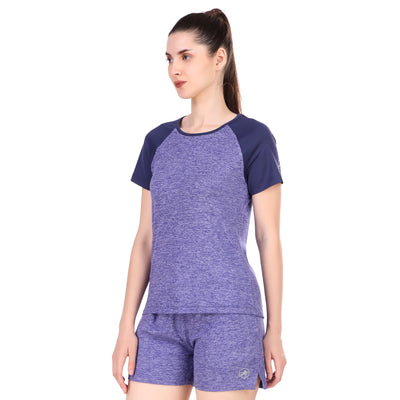
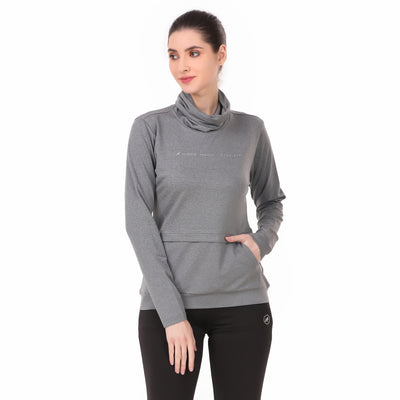
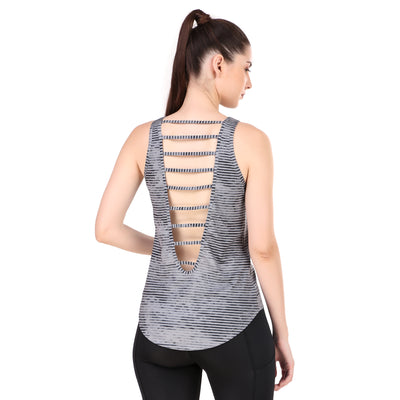
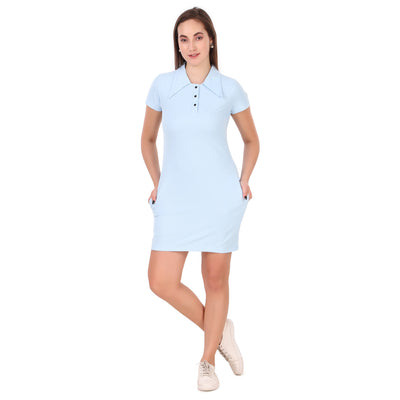
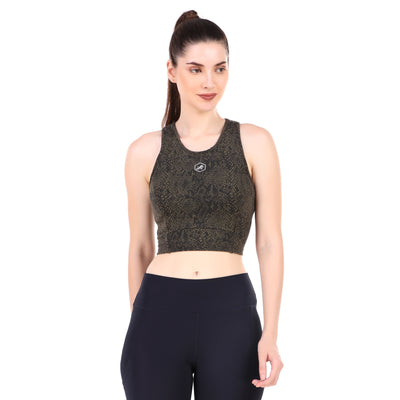
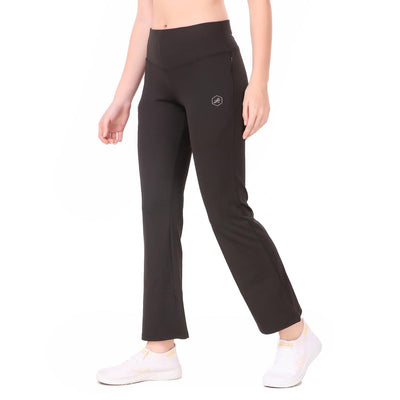
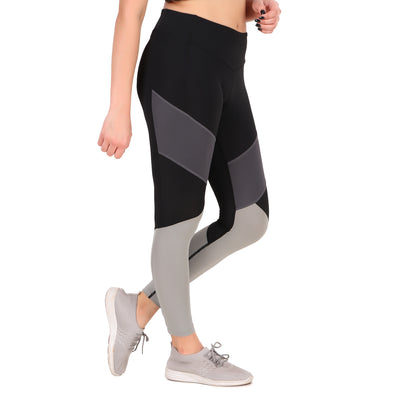
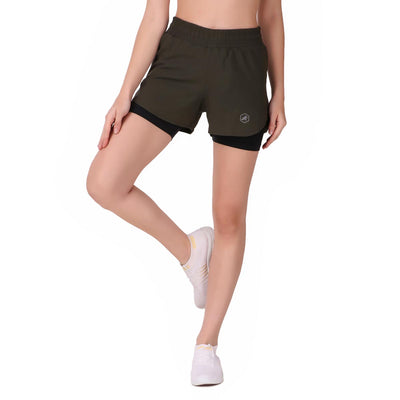
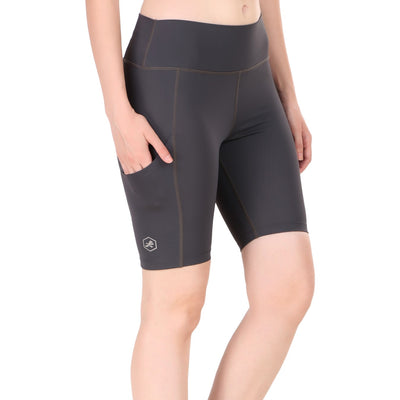
Bottoms endure more abrasive contact than tops. Between knurled steel barbells rubbing against shins during deadlifts and friction from bench press vinyl, athletic bottoms must deliver robust structural integrity. Female athletes shopping for gym leggings or running shorts can evaluate technical fits in the dedicated women's activewear collection, while male lifters can alternate between compression pants and lightweight training shorts.
When purchasing bottoms priced under Rs. 1,000, inspect these critical stress points:
- Waistband Mechanics: Avoid shorts or tights that rely exclusively on a thin, free-floating elastic strip inside the waistband. Over time, that thin elastic twists and flips sideways inside the fabric tunnel. Look for wide, top-stitched elastic waistbands—ideally complemented by an internal or external flat drawcord—that distribute pressure evenly across your hips without digging into your abdominal wall during heavy core bracing.
- Crotch Gussets: Standard casual pants join four fabric panels at a single cross seam directly under the groin. In athletic bottoms, this single intersection creates a major failure point during deep squats. High-grade athletic bottoms feature a diamond or triangular fabric gusset sewn into the crotch. This triangular panel disperses mechanical tension across multiple seams, preventing embarrassing blowouts when squatting to parallel.
- Zippered Pocket Construction: If you run outdoors or travel to the gym on a two-wheeler, open side pockets allow phones and keys to slip out easily. Look for bottoms with concealed, flat-lock zippered pockets that keep valuables secure against your hip.
Avoiding Common Traps: Sheer Fabrics, Rolling Bands, and Bleeding Dyes
Navigating the market for budget fitness apparel india requires knowing how to spot cut corners before you hit the checkout button. When manufacturers attempt to produce garments too cheaply, they often sacrifice material quality in three predictable ways:
- The Sheer Fabric Trap (Failing the Squat Test): Cheap leggings and workout tights frequently use low-density, ultra-thin fabrics (low grams-per-square-metre or GSM). While they may look opaque when you stand upright, bending into a deep squat stretches the knit, rendering the fabric see-through under bright fluorescent gym lighting. Always perform a rigorous squat test in good ambient lighting at home before removing garment tags.
- The Rolling Waistband Trap: In cheap high-waisted leggings and compression shorts, manufacturers cut costs by using thin single-layer elastic. During deadlifts, lunges, or bending movements, the waistband immediately rolls down over your stomach. Look for dual-layered, structured waistbands that sit flat against the waist.
- Bleeding Dyes and Colour Fading: Low-cost synthetic dyes that lack proper heat-setting will bleed profusely during the first wash, staining your laundry and leaving the garment looking dull. Test newly purchased budget garments by hand-washing them in cold water first. To prolong the lifespan of your activewear, wash synthetic workout clothes inside-out in cold water, avoid fabric softeners (which coat synthetic fibres and trap sweat odours), and air-dry them away from direct, harsh afternoon sunlight.
Frequently asked questions
Is gym activewear under 1000 durable enough for heavy lifting?
Yes, well-constructed activewear under Rs. 1,000 is fully durable enough for heavy barbell and dumbbell training, provided it is made from an elastane-blended synthetic knit rather than 100% rigid polyester. Look for garments featuring reinforced flatlock stitching and crotch gussets, which resist tearing under loaded movements like squats and deadlifts. When manufactured properly, synthetic activewear resists mechanical abrasion exceptionally well.
Can you find genuine compression clothing under 1000 in India?
Yes. By cutting out intermediaries and producing locally, direct-to-consumer Indian activewear brands offer authentic compression tops, shorts, and tights between Rs. 490 and Rs. 1,000. These garments utilize polyester-spandex or nylon-spandex fabrics engineered to provide a snug, supportive fit and multi-directional stretch without the inflated markups of imported retail brands.
Why are international activewear brands 3x more expensive for similar fabrics?
International brands incur substantial overhead costs that domestic direct-to-consumer manufacturers do not face. These include costly prime retail leases in metropolitan shopping malls, import customs duties, international shipping, multi-tiered distributor margins, and multi-million-dollar global celebrity marketing campaigns. These overhead expenses are factored directly into the retail price tag, making imported garments 3 to 4 times more expensive for comparable synthetic fabric blends.
What fabric should I check for on the label when buying budget activewear?
Always check the product composition for a blend of polyester with spandex (elastane) or nylon with spandex. Spandex provides the multidirectional stretch and shape recovery essential for dynamic workouts. Avoid budget tops advertised as 100% spun polyester without elastane, as these fabrics lack elasticity, feel stiff against the skin, and restrict your natural range of motion during upper-body exercises.
How do budget gym clothes hold up after multiple laundry cycles?
Synthetic gym clothes crafted from quality polyester-spandex or nylon-spandex hold up very well over dozens of wash cycles if laundered correctly. Always wash technical workout wear inside-out in cold water on a gentle cycle. Never use fabric softeners, as chemical softeners coat synthetic yarns, blocking their breathability and locking in bacteria. Air-dry your garments in the shade rather than using high-heat tumble dryers to preserve the elasticity of the spandex fibres.
Building a high-performance training wardrobe does not require overspending on imported labels. ReDesign Sports is an Indian compression and activewear brand based in Mangolpuri, Delhi, offering Made in India activewear designed for daily training. With everyday prices starting roughly from Rs. 490 to Rs. 1,500, you can explore the extensive men's bestsellers and women's activewear collection, or upgrade your session with functional men's short-sleeve compression t-shirts and durable men's active shorts. With free shipping on orders above Rs. 500, a 15% discount automatically applied at checkout, secure Razorpay payments, and hassle-free 7-day returns and exchanges, you can gear up with quality activewear designed to support every workout.