

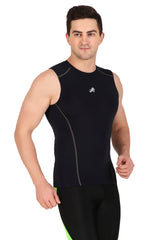
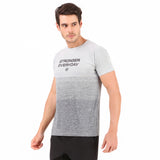
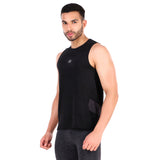
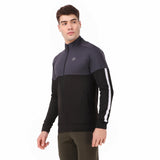


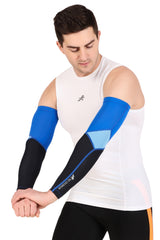
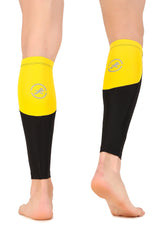



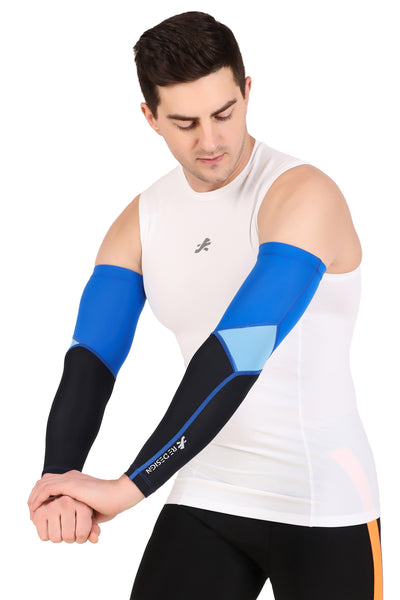
For road runners tackling morning miles on hard asphalt, finding effective calf sleeves for shin splints india runners can trust is often the first step toward managing lower-leg discomfort. Shin splints, clinically termed Medial Tibial Stress Syndrome (MTSS), represent an overuse injury characterised by pain along the inner border of the shin bone (tibia). While calf sleeves do not cure bone stress or replace structured training rest, sports science research suggests that external lower-leg compression helps dampen muscle oscillation (soft-tissue vibration), supports venous blood return, and reduces perceived muscle soreness during and after high-impact road runs.
Understanding Shin Splints: Why Hard Indian Tarmac Takes a Toll on Shins
Running in Indian cities presents a unique set of biomechanical challenges. Unlike trail runners or athletes training on dedicated rubber athletic tracks, most Indian runners in cities like Mumbai, Delhi, Bengaluru, Hyderabad, and Pune log their kilometres on unforgiving concrete footpaths, coastal promenades, or hard asphalt roads. Furthermore, thousands of young aspirants preparing for Indian Army, state police, and paramilitary physical endurance trials run repetitive 1,600-metre or 5-kilometre time trials on hard, sunbaked ground or tarmac.
When your foot strikes hard asphalt, ground reaction forces ranging between 2.5 and 3 times your body weight travel directly up the lower limb. Shin splints occur when repetitive mechanical loading exceeds the capacity of the tibial bone and the surrounding muscles to repair themselves between workouts. This repetitive impact creates micro-trauma at the periosteum—the connective tissue sheath covering the tibia—where muscles such as the soleus and tibialis posterior anchor. Sudden increases in weekly distance, introducing hill sprints too quickly, or running in worn-out running shoes amplify this traction stress, leading to a persistent, throbbing ache along the distal inner third of the shin.
The Biomechanics of Muscle Oscillation: How Impact Waves Strain the Tibia
To understand how compressive garments assist runners, one must examine what happens beneath the skin at ground strike. When your heel or midfoot impacts the road, energy does not simply travel straight up the skeleton. A substantial portion of kinetic energy transforms into transverse shockwaves that cause the calf muscle belly—principally the gastrocnemius and soleus—to vibrate rapidly. This phenomenon is known in biomechanics as soft-tissue or muscle oscillation.
Sports science research has examined muscle movement and activation during running. The researchers found that wearing compressive lower-limb garments significantly reduced soft-tissue displacement and root-mean-square acceleration during foot strike. When calf muscles vibrate uncontrollably with each step, the neuromuscular system must fire constantly to stabilize the muscle mass. Over a 10K run or a half-marathon, this repetitive vibration causes premature muscle fatigue. As your calf muscles become exhausted, their natural ability to absorb impact diminishes, shifting mechanical shock onto the tibia and worsening the pulling forces that aggravate shin splints.
Calf Sleeves for Shin Splints India Runners Need: What Studies Suggest About Lower Leg Containment
Sports compression garments work primarily through external mechanical containment. By wrapping the lower leg in a tight, elastic sheath, calf compression sleeves for running physically dampen the amplitude of muscle vibrations generated with every stride. Think of it like holding a vibrating tuning fork: when you touch the tines, the oscillation ceases almost instantly.
Biomechanics research has evaluated compression gear during submaximal running. The authors observed that compressive apparel reduced muscle oscillation and shortened muscle activation times without altering the athlete's metabolic oxygen consumption. For athletes managing shin discomfort, containing the lower-leg musculature may reduce the traction stress exerted by the soleus and deep flexor muscles on the inflamed tibial periosteum.
Beyond mechanical stabilization, compression improves somatosensory and proprioceptive feedback. The constant cutaneous pressure against the skin keeps the runner acutely aware of lower-leg mechanics and ankle positioning. While compression calf support india athletes use will not alter ground impact physics, that enhanced proprioception often encourages a smoother, more controlled foot strike on cracked pavements and uneven surfaces.
Graduated Compression: Supporting Venous Blood Flow and Fatigue Relief
The cardiovascular concept underpinning true compression garments is graduated pressure. Under this engineering principle, compressive pressure is highest at the lower ankle and progressively tapers as the sleeve moves upward toward the calf head and knee. This graduated profile assists the natural calf muscle pump in returning deoxygenated blood upward through the deep and superficial veins against gravity.
When running in intense Indian summers or high-humidity monsoon conditions, peripheral blood vessels dilate to dissipate heat, which can lead to localized venous pooling and heavy-feeling lower legs. By providing a passive pressure gradient, graduated compression sleeves support venous velocity and lymphatic drainage. A comprehensive 2011 sports science review in Sports Medicine by MacRae and colleagues noted that while compression garments provide modest physiological improvements during exercise itself, their strongest, most consistent benefits emerge in reducing post-exercise swelling, heavy sensations, and delayed-onset muscle soreness (DOMS). For athletes searching for shin splint relief for runners, reducing secondary muscular soreness allows the lower leg to tolerate prescribed rehabilitation exercises more effectively.
Calf Sleeves vs. Full Compression Socks: The Freedom to Choose Your Socks
One of the most frequent debates among endurance runners and marathoners is whether to wear dedicated calf sleeves or full-length compression socks. While full compression socks enclose the entire foot, arch, and lower leg, calf sleeves terminate just above the ankle bone (malleolus) and end below the knee joint. In Indian training environments, calf sleeves offer distinct practical advantages.
First, calf sleeves grant complete freedom in footwear and sock selection. Indian runners battling intense heat and sweat often depend on specialized anti-blister socks, double-layer running socks, or specific cushioned toe socks. Full compression socks lock you into an integrated footbed that may not match your shoe volume or blister-prevention routine. With calf sleeves, you can pair your preferred running socks freely while still securing lower-leg compression. Second, calf sleeves are far easier to put on and remove during multisport training, gym sessions, or post-run cooldowns without unlacing your running shoes.
| Feature | Calf Compression Sleeves | Full Compression Socks |
|---|---|---|
| Footwear & Sock Customisation | Allows pairing with your preferred running socks, blister-prevention socks, or toe socks. | Fixed integrated footbed; you cannot change the sock material or cushioning thickness. |
| Indian Climate & Heat Management | Leaves the ankle and foot exposed; ideal for hot, humid Indian mornings and monsoons. | Covers the entire lower leg and foot, which can trap excess heat and moisture inside running shoes. |
| Transition & Practicality | Easy to pull on and off without removing shoes during multisport training or track sessions. | Requires taking shoes completely off to put on, adjust, or remove during workouts. |
| Post-Run Rest & Sleeping | Not recommended for overnight sleep because fluid may pool in unprotected feet. | Suitable for overnight rest or long-haul travel because foot compression prevents peripheral pooling. |
| Targeted Muscle Support | Isolates the gastrocnemius, soleus, and lower shin without altering shoe fit. | Encloses arches, heel, Achilles tendon, and calf simultaneously within one continuous garment. |
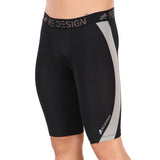
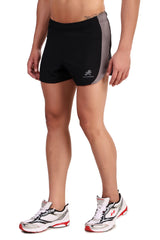
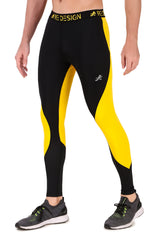
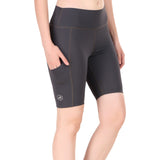
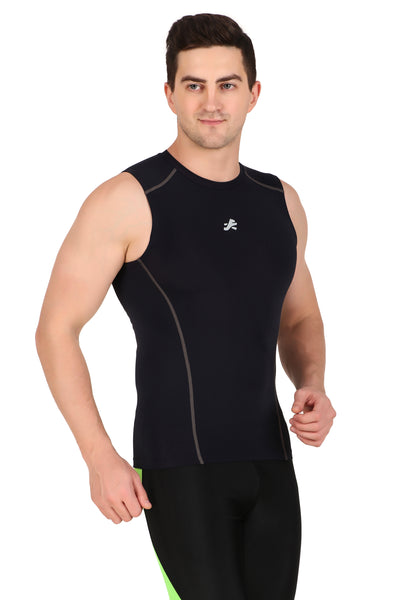
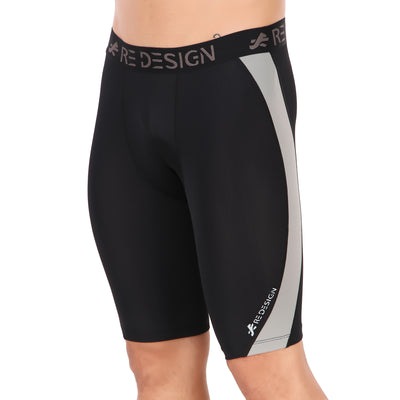
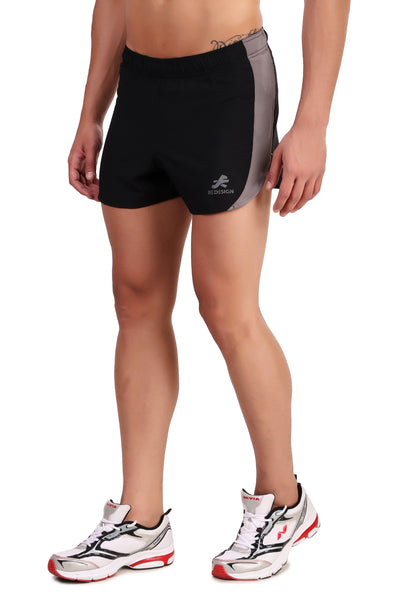
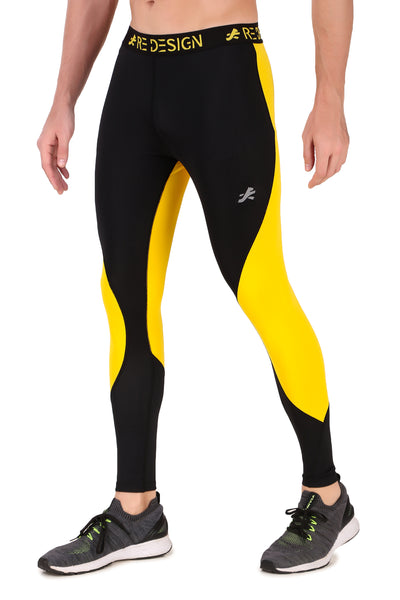
For athletes who desire targeted lower-leg containment, pairing standalone compression calf sleeves with lightweight men's active shorts offers maximum ventilation during sweltering morning workouts. Alternatively, runners who prefer complete lower-body coverage for winter morning long runs can opt for full men's compression pants to support the thighs, hips, and calves simultaneously.
When to Wear Them: During Road Runs, Treadmill Sessions, or Post-Run Rest
Knowing exactly when to wear calf sleeves ensures you gain their mechanical benefits without developing an unnecessary psychological dependency. Depending on your training schedule, here is how to use them effectively:
- During Outdoor Road Runs: This is the most beneficial time to wear your sleeves. Because asphalt and concrete generate intense impact shocks, wearing sleeves during your 5K, 10K, or long Sunday marathon training runs stabilizes muscle mass and keeps oscillation to a minimum.
- During Treadmill and Track Workouts: Although treadmills and synthetic tracks offer slightly more surface compliance than asphalt, running at high speeds or intervals spikes neuromuscular cadence. Wearing shin pain running sleeves during high-cadence speed sessions can help reduce the jarring vibration felt across the calf complex.
- During Physical Recruitment Drills: Aspirants training for police or military ground fitness tests frequently log high volumes of repetitive circuit running on hard grounds. Wearing calf sleeves during training drills cushions the calf belly and supports comfort across back-to-back training days.
- Post-Run Recovery at Home: Slipping into clean, dry calf sleeves for two to four hours after a strenuous run while working at your desk can assist with lower-leg fluid clearance and alleviate muscle stiffness. However, do not wear calf sleeves while sleeping flat overnight; without foot compression, fluid can pool in your ankles and feet.
Important Medical Context: Why Compression Supports, but Does Not 'Cure'
It is vital to establish clear boundaries regarding what sports compression can and cannot achieve. Compression calf sleeves are athletic performance garments; they are not medical compression stockings, which are calibrated by healthcare specialists to treat severe medical conditions such as deep vein thrombosis, lymphedema, or severe varicose veins. If you suffer from circulatory disorders, peripheral vascular disease, diabetes, or severe swelling, always consult a qualified medical professional before using compressive apparel.
Furthermore, compression sleeves do not biologically heal shin splints. A landmark randomized clinical trial led by Maarten H. Moen and colleagues, published in 2012 in Sports Medicine, Arthroscopy, Rehabilitation, Therapy & Technology, investigated 74 athletes suffering from Medial Tibial Stress Syndrome. The researchers compared a standard graded running program against a graded running program supplemented with sports compression stockings. The trial concluded that adding compression stockings showed no statistically significant difference in overall healing time or recovery duration compared to the graded running program alone.
Shin splints involve microscopic bone remodeling and stress reactions within the tibial cortex. A textile sleeve, no matter how well engineered, cannot accelerate the physiological rate at which bone remineralizes. Compression sleeves serve as a practical comfort, stability, and symptom management accessory that dampens muscle vibration and eases perceived soreness while your body adapts to running loads. If you experience focal, sharp, pinpoint tenderness directly on the bone surface that hurts even while resting or walking, stop running immediately and visit an orthopaedic doctor to rule out a tibial stress fracture.
Step-by-Step Recovery Routine: Calf Sleeves, Ice Packs, and Calf Stretches
Managing shin pain requires an integrated recovery protocol that tackles both bone stress and soft-tissue tightness. If you feel shin discomfort flaring up, execute this balanced five-step routine:
- Scale Back Running Mileage: Immediately decrease your running volume by 30% to 50%. Avoid speed workouts, hill sprints, and hard concrete roads. Swap half of your running sessions for zero-impact cardiovascular work such as stationary cycling or swimming to allow bone remodeling to catch up.
- Apply Targeted Cold Therapy: Following your workout, apply an ice pack wrapped in a thin towel along the painful inner shin for 15 minutes. Cold therapy helps soothe localized acute inflammation and numbs the throbbing ache without requiring chemical gels.
- Perform Calf & Soleus Mobility Exercises: Tight calf muscles place constant tension on the tibial attachment points. Perform standing wall calf stretches with a straight knee (targeting the gastrocnemius) and with a bent knee (targeting the deeper soleus). Hold each stretch gently for 30 to 45 seconds without bouncing.
- Strengthen the Tibialis Anterior and Eccentric Calves: Perform seated toe raises by lifting your forefoot while keeping your heels planted (3 sets of 20 repetitions). Next, stand on the edge of a step and perform controlled eccentric heel drops, rising on two feet and slowly lowering on the affected leg over three seconds. Strengthening these muscles builds resilience against ground forces.
- Incorporate Structured Compression: Put on well-fitting compression calf sleeves during your return-to-run intervals and keep them on for two hours post-run. By controlling muscle oscillation during foot strike, the sleeves help keep lower-leg tissues contained as you gradually rebuild your running mileage.
Ready to kit up? Browse all our compression wear for men and women: tops, shorts, tights, leggings and sleeves, made in India.
Frequently asked questions
Can compression calf sleeves cure shin splints completely?
No, compression calf sleeves cannot cure shin splints. Medial Tibial Stress Syndrome involves bone strain and micro-damage along the tibial periosteum, which requires rest, load management, and bone remodeling to heal. Studies, including a clinical trial in Sports Medicine, Arthroscopy, Rehabilitation, Therapy & Technology (Moen et al., 2012), demonstrate that compression garments do not accelerate biological healing times. However, sleeves serve as an effective management aid by dampening muscle oscillation, reducing perceived soreness, and supporting venous return during training.
Should I wear calf sleeves while running or after my workout for recovery?
You can wear them during both phases depending on your needs. Wearing calf sleeves during running helps minimize soft-tissue vibration and muscle displacement upon asphalt impact. Wearing them for two to four hours post-run supports venous blood return and eases post-exercise muscle tightness. Avoid wearing calf sleeves while sleeping overnight, as the lack of compression over the foot can cause fluid to accumulate in the feet and ankles when lying flat.
What is the difference between running calf sleeves and medical stockings?
Running calf sleeves are athletic garments engineered from synthetic stretch blends (such as polyester-spandex or nylon-spandex) to provide muscle containment, freedom of movement, and running comfort. Medical compression stockings are certified healthcare devices prescribed by doctors for conditions like venous ulcers, deep vein thrombosis, and lymphedema, featuring strict, standardized millimetre-of-mercury (mmHg) pressure ratings and full-foot coverage. Sports compression is not a substitute for medical treatment.
How do I measure my calf to find the right compression sleeve size?
To find the correct size, stand upright with your bare feet flat on the floor. Take a flexible tailor's tape measure and wrap it around the widest, thickest part of your calf muscle belly. Note the circumference in inches or centimetres. Compare this measurement directly against the brand's sizing chart. Never guess your calf size based on your shoe size or height; sizing by calf circumference ensures the sleeve delivers proper mechanical containment without constricting arterial circulation.
Can police or military recruitment aspirants wear calf sleeves during trials?
Aspirants can use calf sleeves during their daily preparation and endurance running on hard roads to help manage muscle fatigue and impact vibrations. However, rules regarding apparel during official recruitment physical fitness tests vary by state and recruiting board. Some recruitment centres require candidates to run strictly in shorts and bare legs or specific uniforms. Always verify the official notification and clothing guidelines of your recruiting board before test day.
Managing shin discomfort requires smart training habits, proper footwear, and sensible recovery accessories. ReDesign Sports is an Indian compression and activewear brand based in Mangolpuri, Delhi, offering Made in India activewear crafted with durable nylon-spandex and polyester-spandex compression fabrics. With prices ranging roughly from Rs. 490 to Rs. 1,500, you can explore the complete ReDesign compression calf sleeves range alongside versatile men's active shorts and men's compression pants. The store provides free shipping on orders over Rs. 500, a 15% discount auto-applied at checkout, secure Razorpay payments, and convenient 7-day returns and exchanges to help you train with confidence.