






A dedicated sports headband for men at the gym is one of the most practical upgrades you can make for high-intensity workouts. In non-air-conditioned Indian fitness centers and humid outdoor running tracks, heavy forehead perspiration quickly drips into your eyes, causing painful stinging, blurred vision, and broken concentration during critical compound lifts. Unlike bulky, outdated cotton sweatbands that become waterlogged, heavy, and hot, modern technical headbands combine lightweight synthetic stretch fabrics with internal non-slip grips to channel perspiration away while staying anchored through dynamic movements. Whether you train through summer heat in Delhi or monsoon humidity in Mumbai, this guide breaks down the engineering behind effective sweat management headwear.
The Non-AC Gym Challenge: Why Eye-Stinging Sweat Ruptures Workout Focus
Working out in India presents unique environmental hurdles. Across countless commercial gyms, local fitness clubs, and basement strength facilities in cities like Delhi, Pune, Kolkata, and Hyderabad, air conditioning is either absent, intermittent, or overwhelmed by crowded peak hours. When ambient temperatures hover above 35°C with elevated humidity, your body's thermoregulatory system works overtime to keep internal core temperature safe.
Human eccrine sweat glands are densely concentrated across the forehead, temples, and scalp, with densities exceeding 250 glands per square centimeter. As exertion increases, sweat production escalates dramatically. Sweat is not just pure water; it is a hypertonic fluid laden with electrolytes—principally sodium chloride (salt), potassium, urea, and trace organic acids.
When sweat streams down the brow and enters the eyes, this concentrated sodium chloride disrupts the delicate lipid layer of the pre-corneal tear film. The biological reaction is immediate and painful: involuntary blepharospasm (intense blinking), burning, tearing, and obscured vision. In the middle of an 80 kg barbell overhead press, a heavy set of squats, or a dynamic clean, this sudden stinging distraction is dangerous. Stepping away to wipe your eyes with a dirty towel interrupts kinetic rhythm, while wiping with sweaty, chalk-covered forearms risks introducing abrasive chalk dust and gym grime directly onto your corneas.
Fabric Engineering: Polyester-Spandex Blends vs. Bulky Terry Cloth
For decades, the default headwear for athletes was the classic 1980s cotton terry cloth sweatband. While iconic in retro tennis culture, heavy terry cloth is fundamentally mismatched with modern high-intensity gym training. Cotton is hydrophilic; it absorbs perspiration into the core of its natural fibers and expands. Within fifteen minutes of hard training, a terry cloth band becomes completely saturated, heavy, and soggy. Because it holds water rather than evaporating it, it traps heat directly against the temporal arteries, turning into a warm, damp sponge that impedes natural cooling.
Modern sports headwear relies on advanced synthetic composite fabrics, predominantly engineered blends of polyester and spandex or nylon and spandex. These technical textiles function through precision capillary action:
- Microfiber Filament Weaves: Fine synthetic yarns create narrow microscopic channels that draw liquid sweat off the forehead skin through surface tension.
- High Surface Area Dispersion: Rather than trapping water inside the fiber core, the hydrophobic synthetic fibers push moisture to the exterior face of the band, spreading it thinly across a broad surface area.
- Rapid Evaporative Cycle: Airflow generated by gym fans, outdoor running breezes, or natural room ventilation rapidly evaporates this thin film of sweat, keeping the headband light and functional throughout long training sessions.
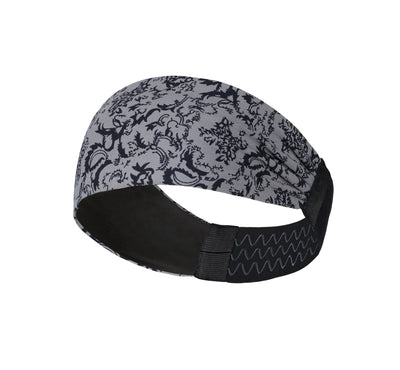
Indian activewear brand ReDesign Sports offers versatile unisex headbands constructed from flexible synthetic stretch fabrics, delivering streamlined moisture control for both men and women across diverse training routines.
Non-Slip Architecture: How Internal Grip Keeps Bands Anchored During Burpees
A frequent complaint among athletes is that standard hairbands or elastic sweatbands continuously slip off during workouts. Understanding why this happens requires a look at basic biomechanics and friction dynamics. During dynamic exercises—such as burpees, box jumps, kettlebell swings, and sprint intervals—your head undergoes rapid acceleration and deceleration. At the same time, natural sebum oils and sweat coat your forehead and hair, drastically reducing the coefficient of friction between the fabric and your skin.
To overcome this, an effective anti slip sports headband india athletes look for features internal grip engineering. The gold standard in non-slip architecture involves an interior lining of medical-grade silicone elements, typically applied as:
- Continuous Wavy Silicone Strips: A flexible, undulating strip of silicone along the inner brow that contours to forehead curves while allowing fabric stretch.
- Micro-Silicone Dot Arrays: Small silicone dots distributed along the inner circumference that grip skin and hair shafts at multiple contact points.
Silicone possesses a naturally high coefficient of friction against human skin and hair, and its grip actually improves when slight moisture is present. By physically gripping the skin above the supraorbital ridge, silicone keeps the headband securely anchored through inverted movements and explosive plyometrics without requiring excessive elastic compression. This eliminates the throbbing temporal tension headaches that occur when wearing overly tight, non-gripping elastic bands.
Managing Long Hair and Fringes During Heavy Compound Lifts
Over recent years, hairstyles among Indian male fitness enthusiasts have diversified significantly. Man buns, textured curls, undercuts with long fringes, and shoulder-length hair are now common across gyms and sports clubs. For anyone searching for a dependable workout headband for long hair men, practical functionality during compound lifts is paramount.
When executing a heavy barbell deadlift, snatch, or bench press, maintaining an uninterrupted line of sight is essential for technique and safety. Loose strands of hair falling into your eyes can cause sudden flinching, disrupting spinal alignment under load. A properly structured sports headband provides comprehensive hair management:
- Slim Bands (1 to 2 inches / 2.5 to 5 cm width): Ideal for athletes with short hair, crew cuts, or shaved heads who strictly need forehead sweat absorption and brow redirection without excess fabric bulk.
- Medium to Wide Bands (3 to 4 inches / 7.5 to 10 cm width): Perfect for men with medium-to-long hair, unruly curls, or top knots. Wide bands can be worn flat for maximum crown coverage to lock back bangs and flyaways, or folded in half for a thicker sweat-absorbing barrier during peak summer sessions.
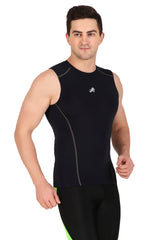
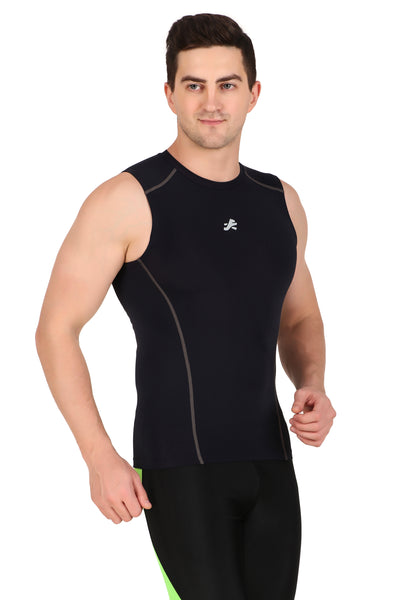
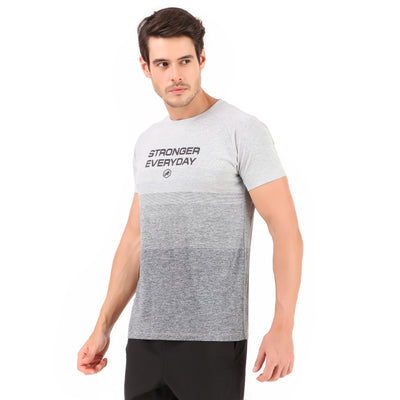
Pairing your headband with comfortable, unrestricted gym wear—such as a flexible men's cut sleeves t-shirt or top-performing options from the ReDesign men's bestsellers collection—ensures full range of motion through the shoulders and upper back while keeping your upper body cool during heavy pulling and pressing workouts.
Sweat Absorption vs. Rapid Evaporation: Keeping Your Head Cool
The human head and neck play an outsized role in thermoregulation and the perception of physical effort. The superficial temporal arteries and facial blood vessels carry substantial blood flow close to the skin surface. When cool air circulates around the brow, or when sweat evaporates efficiently from the forehead, the cooling sensation signals comfort to the central nervous system, helping to manage perceived rate of exertion (RPE).
A common misconception is that a gym headband needs to be thick and heavily absorbent to work well. In reality, an overly thick headband acts as an insulating thermal wrap, trapping heat around the cranium and elevating facial skin temperature. In hot Indian training environments, excessive heat retention accelerates fatigue and discomfort.
The optimal modern approach balances moderate fluid absorption with rapid evaporative release. High-performance synthetic headbands hold enough moisture to keep salt-laden droplets from rolling down into the eyes, but remain thin and air-permeable enough to allow ambient air movement to evaporate that sweat continuously. This maintains a functional evaporative cooling cycle without turning the headband into a hot, waterlogged barrier.
Preventing Forehead Breakouts: Hygiene Protocols for Intense Sweating
While a sports headband is invaluable for performance focus, improper use can lead to dermatological issues along the hairline. The primary concern is a condition known in sports dermatology as acne mechanica, alongside occlusion folliculitis.
Research published in dermatological literature (such as classic clinical findings reviewed in the Journal of the American Academy of Dermatology) demonstrates that acne mechanica is triggered by four converging factors: mechanical friction, pressure, heat, and occlusion (pore blockage). When a tight band presses against sweaty skin during intense exercise, dead skin cells, natural sebum oils, and Cutibacterium acnes bacteria become trapped inside hair follicles. In warm, humid Indian gym settings, this micro-environment causes localized inflammation, resulting in stubborn red papules, pustules, and small bumps across the forehead and temples.
To keep your skin clear while using a gym headband, follow these dermatologist-recommended hygiene protocols:
- Never Re-Wear an Unwashed Band: Wearing a headband that has absorbed sweat and dried creates a breeding ground for bacteria. Re-wearing a used band reintroduces concentrated bacteria and dried salt crystals directly into open, sweating pores. Always use a freshly laundered headband for every workout.
- Wash Your Face Immediately Post-Workout: Do not sit in sweaty workout gear or commute home with sweat drying on your forehead. Cleanse your face as soon as possible after training using a gentle, non-comedogenic cleanser to wash away accumulated sebum and sodium chloride.
- Avoid Constant Repositioning: Once your headband is positioned comfortably on your brow, avoid sliding it back and forth across your forehead with dirty hands during your workout. Constant friction exacerbates skin irritation and pushes dirt into follicles.
- Seek Medical Advice for Chronic Issues: If you develop severe, persistent cystic breakouts or signs of an active skin infection along your hairline, discontinue use and consult a qualified dermatologist for appropriate medical treatment.
Multi-Sport Utility: From Heavy Bench Presses to Outdoor 10K Runs
A technical sweatband for forehead running and gym training offers practical utility across a wide range of athletic activities in India:
- Barbell Bench Press and Overhead Lifts: When lying flat on a bench, gravity pulls sweat directly toward your eyes and ears. A secure headband prevents sweat from pooling on the bench pad or dripping across your face during high-concentration sets.
- Outdoor Road Running and Marathons: Distance runners in events like the Tata Mumbai Marathon or Delhi Half Marathon face hours of continuous sweat production under rising sun and high humidity. In addition to stopping salty sweat, a headband prevents running sunscreen applied to the forehead from washing down into the eyes.
- Cricket Net Practice and Fielding: Wearing a thin technical headband under cricket batting helmets or fielding caps absorbs sweat before it can soak into expensive helmet foam padding, keeping gear fresh and preventing offensive odors from setting into protective equipment.
- Badminton and Squash: Racket sports played in humid, indoor Indian court complexes demand rapid, multi-directional agility. A non-slip headband ensures crystal-clear court vision during fast smashes and prolonged rallies.
- High-Intensity Functional Fitness: In CrossFit-style workouts involving kettlebell snatches, wall balls, and rower intervals, a non-slip band stays anchored without shifting during rapid posture changes.
Washing Your Sweatband: Preventing Salt Stiffening and Bacterial Buildup
Have you ever noticed a workout headband becoming rough, crunchy, or loose after several weeks of use? The culprit is sodium chloride crystallization. When perspiration dries naturally in synthetic fabric, microscopic salt crystals remain trapped within the yarn weave. Over time, these sharp salt crystals rub against the delicate elastane fibers, causing them to fray and lose their elastic rebound.
To preserve the non-slip grip, stretch, and softness of your sports headband, follow this maintenance routine:
- Post-Workout Cold Water Rinse: Immediately after finishing your workout, rinse your headband under cold running tap water for thirty seconds. This flushes out fresh sweat salts and skin lipids before they can dry and crystallize.
- Gentle Washing: Hand wash or machine wash on a delicate cycle using mild liquid laundry detergent. Avoid heavy powder detergents that may not dissolve fully in cold water.
- Skip Fabric Softeners Completely: Fabric softeners contain silicone-based conditioning agents that coat synthetic fibers in a waxy, water-repellent layer. This clogs the wicking channels and can degrade the tacky surface of internal silicone grip strips.
- Air Dry in the Shade: Never put technical sports headbands into a high-heat tumble dryer, and do not leave them baking on metal clotheslines in scorching midday sun. High heat degrades spandex elasticity and damages silicone grips. Hang the band to dry naturally in a shaded, well-ventilated space.
Choosing a Sports Headband for Men for the Gym: Key Specifications
To help you select the ideal gym sweat band for men, the comparison table below outlines the core differences between modern technical synthetic bands and traditional cotton sweatbands.
| Feature / Specification | Modern Synthetic Sports Headband | Traditional Cotton Terry Cloth Band |
|---|---|---|
| Fabric Composition | Polyester-spandex or nylon-spandex blend | 100% heavy terry loop cotton |
| Moisture Management | Capillary wicking and rapid air evaporation | Heavy fluid absorption; retains water |
| Wet Weight & Profile | Ultra-lightweight; stays thin when wet | Bulky, heavy, and soggy when soaked |
| Non-Slip Mechanism | Internal silicone grip strips or dot arrays | Relies strictly on tight elastic tension |
| Helmet / Cap Compatibility | Excellent; low-profile fit under gear | Poor; too thick to fit comfortably under helmets |
| Drying Speed in Indian Monsoon | Fast air-drying within 1 to 2 hours | Very slow; can remain damp for a full day |
| Acne Mechanica Risk | Low to moderate (with regular washing) | Higher; traps heat and wet bacteria against skin |
What Buyers Should Look for in a Workout Headband
When selecting a sports headband for your workout routine, look for specific features that ensure longevity, comfort, and performance:
- Four-Way Stretch Fabric: Ensure the material provides multidirectional stretch to accommodate head circumferences from 21 to 24 inches (53 to 61 cm) without exerting excessive squeezing pressure.
- Bonded or Low-Profile Edges: Look for flatlock stitching or bonded, seamless edges that lie flat against your forehead and ears. Bulky, raised seams can cause uncomfortable pressure points, especially if you wear over-ear gym headphones or prescription glasses while training.
- Breathable Knit Construction: The fabric should feel light and airy between your fingers. Denser, double-layered knits are suitable for cold outdoor winter running in northern India, but thin, breathable single-layer or mesh knits are far superior for high-sweat gym sessions and summer training.
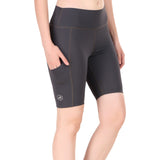
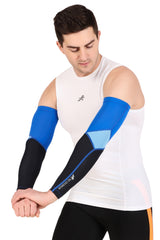
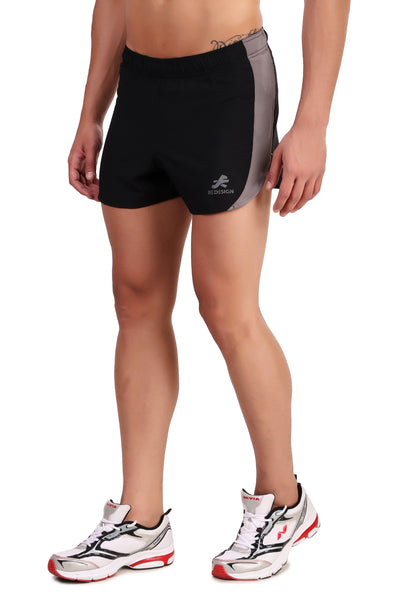
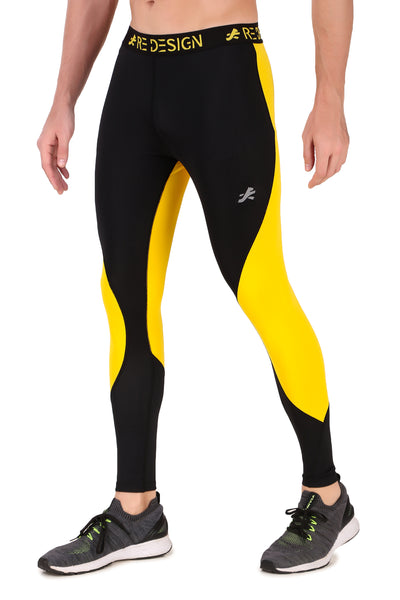
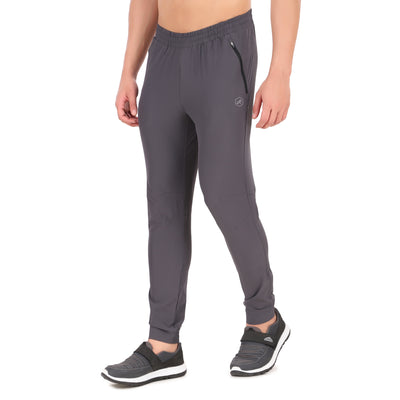
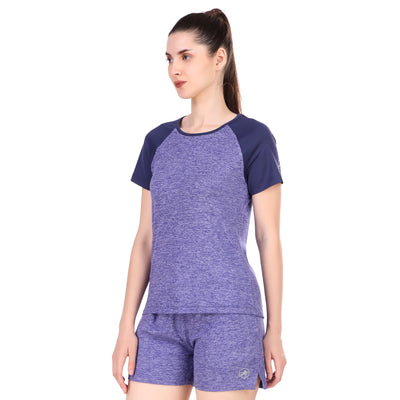
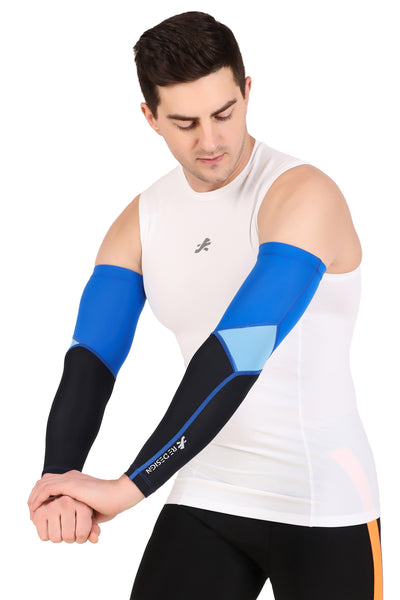
- Value and Domestic Manufacturing: ReDesign Sports manufactures high-performance activewear and athletic accessories in India. Alongside unisex sports headbands, the brand produces compression t-shirts, tights, active shorts, track pants, and arm sleeves. With products priced roughly between Rs. 490 and Rs. 1,500, free shipping on orders over Rs. 500, and a 7-day return and exchange policy, ReDesign Sports provides durable gear tailored for Indian fitness enthusiasts.
Frequently Asked Questions
Why do gym headbands slip off during intense movement?
Headbands slip when perspiration and natural skin oils reduce friction between the fabric and your skin or hair. Sudden head movements during exercises like burpees, box jumps, or sprints generate shear forces that slide standard elastic bands backward off your head. Choosing a headband equipped with an interior silicone grip strip provides mechanical friction that keeps the band anchored in place without requiring painful, tight elastic tension.
Can wearing a sweaty sports headband cause forehead acne?
Yes, if proper hygiene is not maintained. Wearing a sweaty headband traps heat, friction, sweat, and bacteria against your skin, leading to a condition known as acne mechanica. To prevent breakouts, always wear a clean, freshly laundered headband for each workout, wash your face with a gentle cleanser immediately after exercising, and never wear a sweat-dried headband twice without washing it.
Is an elastic fabric headband better than a traditional cotton sweatband?
For modern gym training and running, synthetic elastic fabric headbands are significantly better than cotton terry cloth. Synthetic polyester-spandex and nylon-spandex blends wick moisture to the exterior for fast evaporation, keeping the band lightweight and cool. Cotton absorbs sweat into its fibers, becoming heavy, soggy, and hot, which traps body heat around your forehead and impairs thermoregulation.
How do I wash my sports headband so it doesn't lose elasticity?
Rinse the headband in cold water immediately after your workout to remove sweat salts before they crystallize. Wash by hand or on a delicate machine cycle using mild liquid detergent. Never use fabric softeners, as they leave a waxy coating that blocks moisture wicking and degrades silicone grips. Always air dry the headband in the shade; avoid high-heat tumble dryers that break down spandex elasticity.
Are sports headbands useful for men with short hair or bald heads?
Yes, absolutely. Men with buzz cuts or bald heads actually experience more direct sweat runoff into their eyes because they do not have hair to slow or redirect perspiration. A slim, technical sports headband acts as an essential sweat barrier, catching perspiration across the brow and redirecting it to the sides of the face to keep your vision clear during intense training.
Stopping stinging sweat and keeping stray hair out of your eyes allows you to commit 100% of your mental focus to every heavy set and sprint interval. Explore the Made in India activewear accessories and apparel from ReDesign Sports to find the right gear for your training routine, and experience confident, distraction-free performance in every workout.