

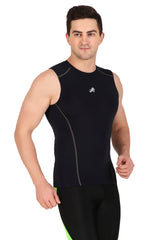
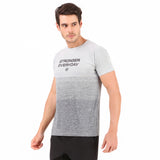
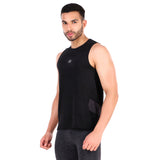
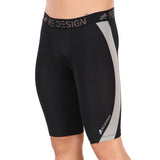
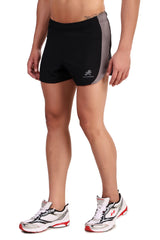
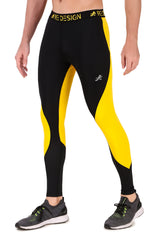
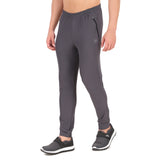

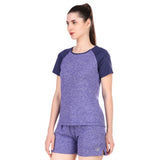
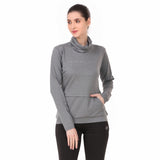
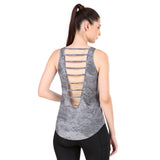
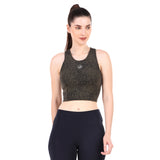
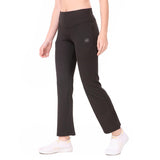
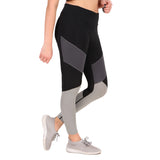
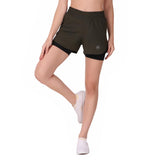




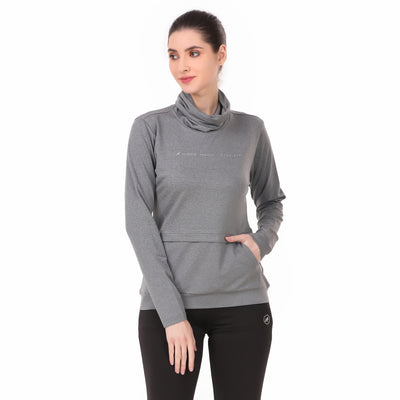
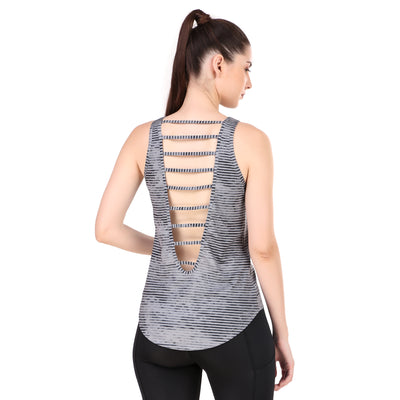
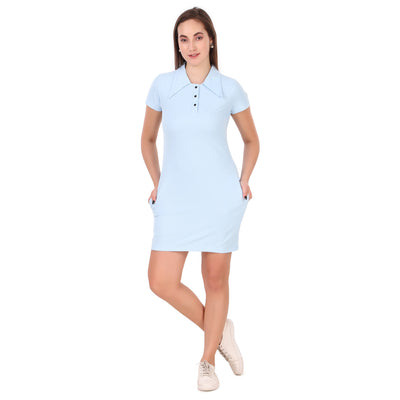
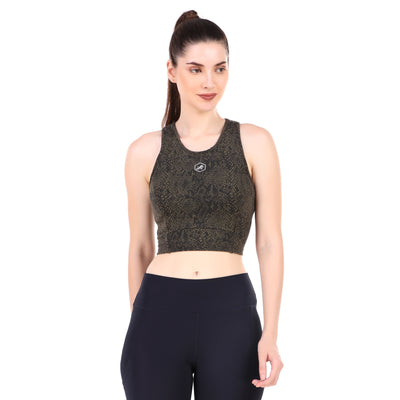
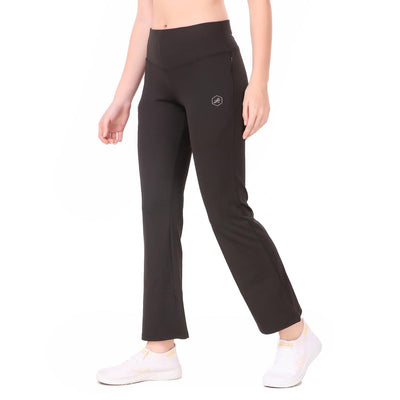
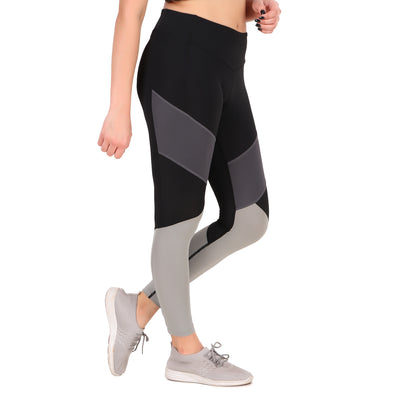
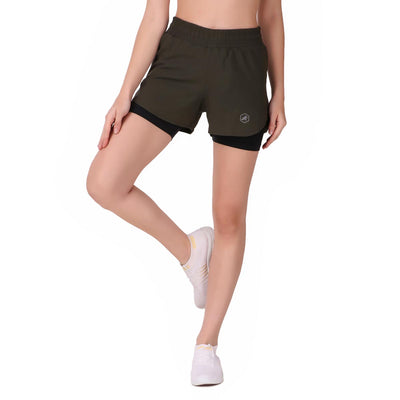
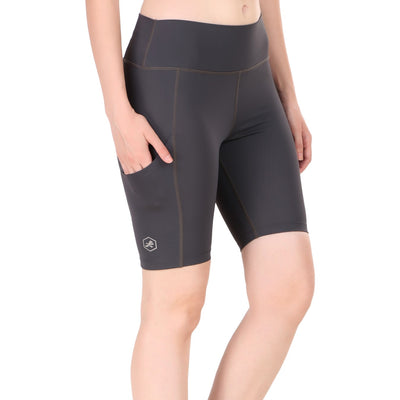
When comparing nylon vs polyester compression wear, Indian athletes and gym-goers are often faced with conflicting claims about stretch, moisture management, and durability. To answer the main question directly: nylon (polyamide) provides superior skin softness, higher elasticity, and greater abrasion resistance, making it the preferred choice for heavy gym lifting, squats, and mobility training. In contrast, polyester dries faster and holds significantly less moisture in peak humidity, making it better suited for intense outdoor running and cricket training under the hot Indian sun. Both synthetic fabrics outperform traditional cotton by maintaining mechanical tension when wet, but their distinct polymer chemistry dictates how they feel, stretch, and perform under heavy physical exertion.
The Synthetic Duo: Why Pure Cotton Cannot Provide True Compression
In fitness centers across Delhi, Mumbai, and Bengaluru, it is still common to see beginners training in 100% cotton t-shirts and track pants. While cotton feels soft when dry, it is fundamentally incapable of functioning as compression wear. Cotton is composed of cellulose fibers that possess a high natural moisture regain of 7.0% to 8.5%. When you begin sweating during an intense workout, cotton fibers absorb water directly into their internal core (the lumen), swelling in diameter and holding up to 25 times their dry weight in liquid.
As cotton becomes saturated, it undergoes plastic deformation. The fiber lacks structural elasticity, meaning that once it stretches over working joints like elbows and knees, it sags rather than snapping back. Saturated cotton clings heavily to the skin, creates friction points that lead to severe chafing, and completely loses the mechanical tension required to stabilize muscle bellies.
True athletic compression relies on synthetic polymers blended with elastane (spandex) to exert sustained, graduated surface pressure against muscle groups. In sports science, studies suggest that graduated surface pressure may help attenuate exercise-induced muscle oscillation (the micro-vibrations muscles undergo during ground impact or explosive lifts) and may support subjective feelings of muscle stability during high-volume training. However, research into recovery and performance benefits remains mixed across different athletic populations. It is critical to recognize that sports compression wear is engineered for athletic support and is not equivalent to graduated medical compression stockings. Anyone managing circulatory conditions, severe edema, deep vein thrombosis, or varicose veins should speak to a physician or vascular specialist rather than relying on commercial sports activewear.
Fiber Chemistry 101: Polyamide (Nylon) vs. Polyester Base Polymers
To understand the debate surrounding polyamide vs polyester gym wear, one must look at the molecular chains that form these two synthetic giants. Both are petroleum-derived thermoplastics, but their chemical architectures produce distinct physical characteristics:
- Polyamide (Nylon): Nylon is synthesized by linking diamines and dicarboxylic acids (most commonly creating Nylon 6 or Nylon 6,6). The defining feature of polyamide is the recurring amide group (-CONH-) along its aliphatic polymer backbone. These polar amide groups can form hydrogen bonds with ambient water molecules, giving nylon an inherent moisture regain of roughly 4.0% to 4.5%. This slight moisture affinity gives nylon a cooler initial touch and greater suppleness.
- Polyester (Polyethylene Terephthalate / PET): Polyester is synthesized through the polycondensation of purified terephthalic acid and ethylene glycol, creating recurring ester linkages (-COO-). The PET molecular chain contains rigid, symmetrical benzene rings and lacks active polar bonding sites for water. As a result, polyester has an exceptionally low moisture regain of approximately 0.4%, making it practically hydrophobic.
These molecular differences explain why the two polymers perform differently in varied Indian training environments. Nylon behaves like a flexible, resilient shock absorber that adapts smoothly to continuous muscular movement, while polyester acts as a rigid, water-repelling shield designed for rapid fluid transit.
Next-to-Skin Hand Feel: The Buttery Glide of Nylon vs. Crisp Polyester
The tactile sensation of activewear—often called the "hand feel" in textile manufacturing—is the first thing you notice when putting on a compression garment. Nylon is widely regarded as the premium synthetic for direct skin contact due to its circular, fine-denier continuous filament profile. The polymer chains slide across one another with minimal internal friction, resulting in a smooth, silky, almost "buttery" glide against the epidermis.
During exercises involving repetitive joint flexion—such as deep barbell squats, Romanian deadlifts, lunges, and vinyasa yoga transitions—nylon minimizes surface friction. This low-drag quality makes it less prone to causing hot spots or mechanical skin irritation during two-hour training sessions.
Polyester, by comparison, possesses a higher initial tensile modulus. Its molecular chains are stiffer, which gives the finished fabric a crisper, more structured hand feel. While modern micro-denier spinning has made athletic polyester significantly softer than the rough synthetics of past decades, standard polyester can still feel slightly synthetic or clingy against sweaty skin compared to high-grade polyamide.
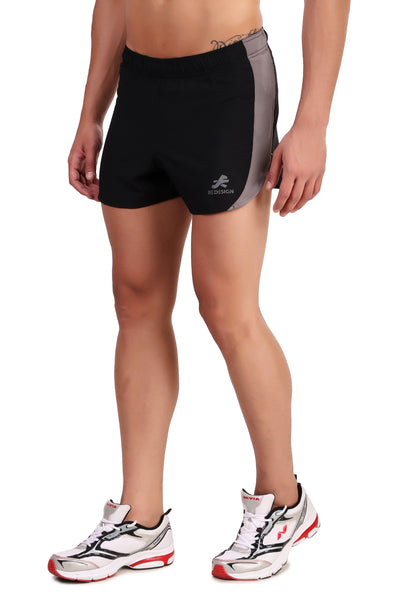
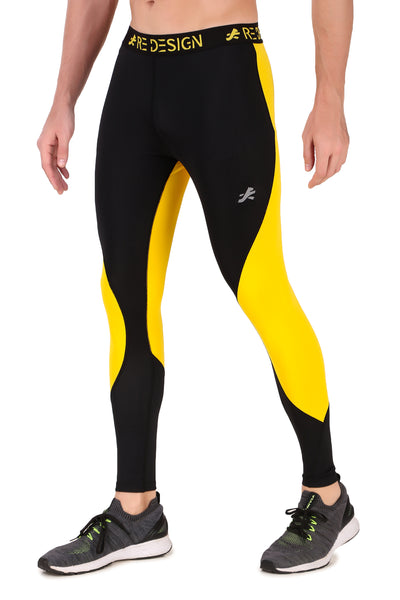
Indian activewear brand ReDesign Sports utilizes both nylon-spandex and polyester-spandex compression fabrics across its Made in India product lineup. Athletes who prioritize ultra-smooth tactile glide and zero-friction movement for leg day or mobility sessions frequently opt for styles in the women's leggings range, where smooth seam construction and flexible fiber blends support deep squat mobility.
Moisture Management: Why Polyester Dries Faster in Peak Humidity
Managing perspiration is a vital requirement for Indian athletes. During the monsoon months in coastal regions like Mumbai, Chennai, and Kolkata, relative humidity frequently climbs above 80%, while summer gym temperatures across northern India often exceed 38°C in non-air-conditioned spaces. In these conditions, the way a fabric manages liquid sweat determines whether you stay comfortable or end up drenched.
Moisture management in activewear occurs in two distinct phases: wicking and evaporative drying.
- Capillary Wicking: Wicking is the mechanical movement of liquid along the microscopic spaces between fabric yarns. Both nylon and polyester fibers can be engineered with non-circular cross-sections (such as trilobal or cross-shaped channels) that pull liquid sweat away from the skin surface toward the exterior of the garment.
- Evaporative Drying: This is where polyester establishes a clear advantage. Because polyester fibers have a moisture regain of only 0.4%, water cannot penetrate the solid interior of the polymer filament. The sweat remains entirely on the fiber surface, spread thinly over a wide area where air movement quickly turns it into vapor. Nylon, with its 4.5% moisture regain, absorbs a small amount of water directly into its polymer structure. While this slight absorption provides an initial cooling sensation, nylon holds onto moisture longer in humid environments, taking noticeably more time to dry completely once soaked.
For high-sweat endurance sports, outdoor distance running, and prolonged cricket drills under direct sunlight, polyester-spandex blends disperse sweat across the fabric surface with remarkable efficiency, preventing the garment from feeling waterlogged.
Stretch and Recovery: How Molecular Elasticity Prevents Sagging
When shopping for high-performance activewear, you will frequently see comparisons between nylon spandex vs polyester spandex. While spandex (also known as elastane) provides the raw stretch capability—often expanding by 300% to 500% of its relaxed length—the base yarn (nylon or polyester) dictates how well the garment maintains its structural tension and snaps back into shape after repeated extensions.
Polyamide fibers have higher natural tensile elasticity and elongation properties than polyester. When you sink into a maximum-depth squat or stretch into an extended lunge, a nylon-spandex knit elongates easily along with the muscle belly without over-stretching the underlying elastane yarns. Crucially, nylon exhibits superior elastic recovery, meaning it returns tightly to its original dimensions without developing loose, baggy spots around the knees, elbows, or waistband.
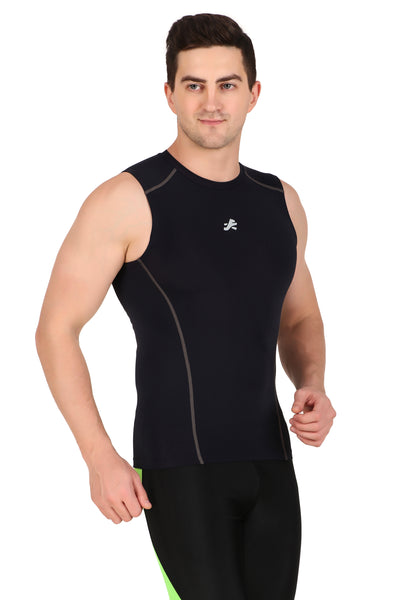
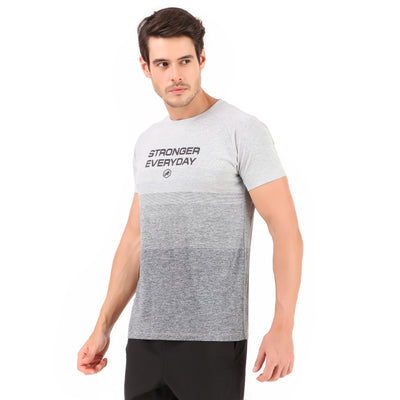
Polyester-spandex knits offer a firmer, less forgiving stretch profile. Polyester fibers resist elongation more strongly, which provides a locked-in, compressive hold. Powerlifters and heavy bench pressers often prefer this firmer resistance in upper-body baselayers, such as those found in men's compression t-shirts, because the fabric feels supportive across the upper back and chest during heavy pressing movements.
Abrasion Resistance: Withstanding Barbell Scrapes and Ground Contact
Athletic gear in India takes substantial punishment. Between sharp, aggressive knurling on commercial gym barbells during deadlifts and clean-and-jerks, rough vinyl padding on weight benches, turf slides during cricket fielding practice, and coarse concrete or rubber flooring, your clothing is subject to constant abrasive wear.
In standard textile testing—such as the Martindale and Taber abrasion tests standardized by ASTM International—polyamide consistently ranks among the most abrasion-resistant synthetic fibers in commercial production. Nylon's high molecular toughness and flexible polymer chains allow it to withstand repeated friction against rough metallic knurling without shearing or developing surface pills (the tiny fiber balls that form on worn fabric).
Polyester is also a durable synthetic fiber, possessing high tensile strength and outstanding resistance to ultraviolet (UV) degradation. However, under direct, repetitive mechanical abrasion—such as a sharp barbell repeatedly scraping upward along the shins during heavy deadlifts—polyester filament bundles are more susceptible to surface fiber breakage than nylon. Over six to twelve months of aggressive lifting, polyester knits are more likely to exhibit localized surface fuzzing in high-friction contact areas.
The Odor Factor: Bacteria, Body Lipids, and 'Permastink' Chemistry
One of the most frustrating experiences for gym-goers is activewear that smells fresh out of the wash, only to release an intense, sour odor within ten minutes of starting a workout. This phenomenon, colloquially termed "permastink," is directly related to the surface chemistry of synthetic textiles.
Fresh human perspiration produced by eccrine glands is predominantly water and dissolved salts; it is virtually odorless when first secreted. Body odor develops when non-pathogenic bacteria residing on the skin metabolize the proteins, triglycerides, squalene, and fatty acids secreted by sebaceous and apocrine glands. Microbes break down these long-chain molecules into volatile, foul-smelling short-chain fatty acids (such as isovaleric acid and butyric acid).
Scientific research has illuminated significant differences in how synthetic fibers interact with these odor-causing compounds:
- Bacterial Colonization: A landmark 2014 study published in Applied and Environmental Microbiology by researchers at Ghent University (Callewaert et al.) examined the microbial growth profiles of different textiles following intense exercise. The researchers discovered that Micrococcus bacteria—a primary producer of pungent sweat malodors—proliferate far more selectively and densely on synthetic polyester fibers than on other materials.
- Lipid Sorption and Oleophilic Attraction: Additional research published in the Textile Research Journal (McQueen et al., 2024, alongside earlier work by Abdul-Bari & McQueen in 2016) demonstrated that polyester is inherently oleophilic (oil-attracting). Because of its non-polar chemical structure, polyester forms strong hydrophobic bonds with human skin lipids and sebum. Ordinary cold-water detergent washes struggle to break these lipid bonds. As a result, sweat oils accumulate deep within the polyester yarn bundle over time, feeding residual bacteria and causing persistent malodor.
- The Nylon Difference: Polyamide, due to its polar amide linkages and higher moisture regain (~4.5%), is noticeably less oleophilic than polyester. It binds fewer oily sebum compounds and releases trapped lipids more freely during standard laundering cycles, making it less prone to chronic odor retention over extended training blocks.
Matching Fabric to Your Sport: Gym Lifting, Running, Cricket, and Yoga
To make an informed choice based on this activewear fabric comparison india guide, athletes should align the primary fiber properties with the specific physical demands of their discipline:
- Heavy Strength Training and Powerlifting: For lower-body movements (squats, deadlifts, hip thrusts), nylon-spandex is the superior choice. Its unmatched abrasion resistance shields the fabric from aggressive barbell knurling, while its high elastic recovery prevents bagging at the knees. For upper-body gym training, both fabrics perform well; athletes who prefer flexible shoulder mobility often choose nylon, while those who want a structured, locked-in feel often choose polyester styles like the men's short sleeves t-shirt range.
- Distance Running and Marathons: For outdoor long runs—such as training for the Mumbai Marathon or Delhi Half Marathon in hot, humid weather—polyester-spandex is generally preferred. Its near-zero internal water absorption ensures that sweat is moved rapidly to the outer surface for continuous evaporation, keeping the garment lightweight over 15 to 42 kilometers.
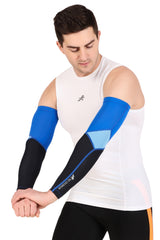
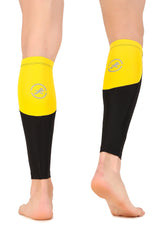
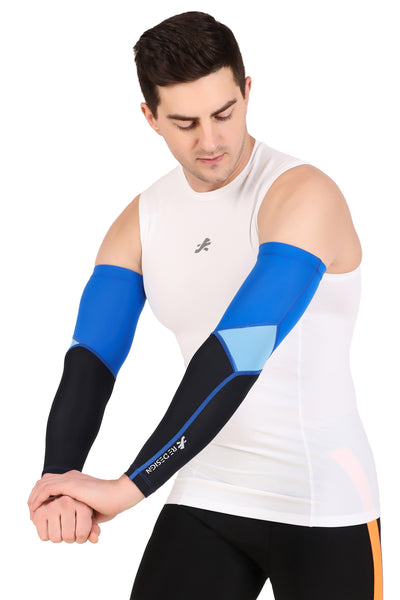
- Cricket and Field Sports: Cricket players spending five to eight hours under baking sun during summer league matches benefit from polyester-spandex base layers that dry quickly between fielding overs. However, for outfield sliding drills where skin-to-turf friction is high, nylon compression arm and calf sleeves provide valuable defense against ground abrasions.
- Yoga, Pilates, and Mobility: The fluid, multi-planar movements of yoga demand zero skin friction and unrestricted flexibility. Nylon-spandex is widely favored here for its buttery softness, matte visual drape, and gentle, non-binding elasticity through deep hip openers and spinal twists.
Nylon vs Polyester Compression Wear: Technical Comparison
The table below summarizes the key material properties and practical performance differences between nylon blends, polyester blends, and pure cotton.
| Performance Metric | Nylon (Polyamide) Blend | Polyester Blend | Pure Cotton (Reference) |
|---|---|---|---|
| Moisture Regain (%) | ~4.0% to 4.5% (moderate absorption) | ~0.4% (virtually hydrophobic) | 7.0% to 8.5% (very high absorption) |
| Hand Feel & Softness | Buttery-soft, silky, low skin friction | Crisp, structured, smooth | Soft when dry; heavy, stiff when wet |
| Drying Speed | Moderate to fast; holds slight water | Exceptionally fast surface evaporation | Very slow; holds water deep in lumen |
| Stretch & Shape Recovery | Superior elasticity; snaps back tightly | Firm, locked-in; lower natural rebound | Poor; undergoes plastic deformation and sags |
| Abrasion & Pilling Resistance | Exceptional; resists barbell knurling | Moderate to high; may fuzz under knurling | Low when wet; prone to friction wear |
| Odor & Oil Retention | Lower lipid retention; washes clean easily | High lipid affinity; prone to permastink | Low lipid retention; easily cleansed |
| Best Sport Utility in India | Gym lifting, squats, deadlifts, yoga | Outdoor running, marathons, cricket training | Casual leisure; unsuitable for compression |
What Buyers Should Look for in Compression Activewear
When searching for the best fabric for gym compression, shoppers in India should evaluate specific construction details to ensure they receive a durable, supportive garment:
- The Opacity and Squat Test: Before wearing newly purchased tights or shorts to the gym, perform a full deep squat in front of a mirror under bright lighting. Quality compression wear should remain completely opaque across the glutes and thighs without sheering out or revealing undergarments. High fabric density and balanced knit gauges are key indicators of proper coverage.
- Flat and Smooth Seam Construction: Compression wear sits tight against the skin under tension. Inspect the internal seams to ensure they are flat, smooth, and well-finished. Raised, bulky internal stitching can dig into skin and cause friction burns during high-repetition exercises.
- Accurate Body Sizing: Never guess your compression wear size based on regular, loose-fitting cotton t-shirts. Take a flexible measuring tape and record your chest, waist, and hip circumferences in inches or centimeters. True athletic compression should feel snug, supportive, and secure—like a firm second skin—without pinching, cutting off circulation, or restricting deep diaphragmatic breathing. If a garment restricts joint mobility or causes numbness, it is too small.
- Proper Laundry Care: To preserve the elasticity of synthetic activewear, wash garments inside out in cold water (under 30°C) using mild liquid detergent. Never use fabric softeners; softeners deposit a waxy chemical coating across synthetic fibers that clogs wicking channels and locks in body odors. Hang garments to dry in the shade, avoiding direct, intense midday sunlight and hot tumble dryers that can degrade spandex fibers.
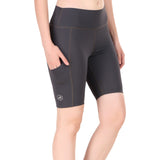
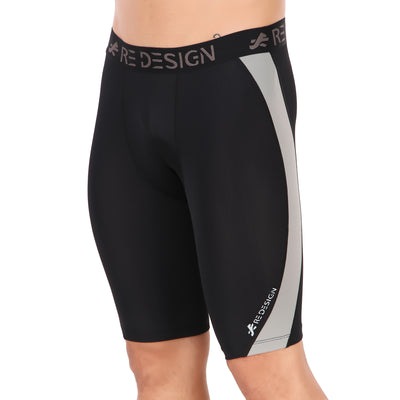
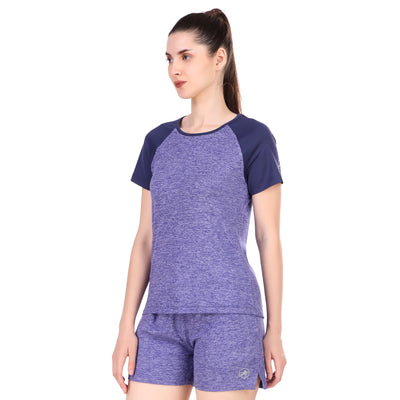
Indian activewear brand ReDesign Sports designs and manufactures its performance compression range directly in India. Featuring both nylon-spandex and polyester-spandex compression fabrics, the collection includes men's compression t-shirts, tights, shorts, arm and calf sleeves, and women's leggings and tops. Priced accessibly between roughly Rs. 490 and Rs. 1,500, with free shipping on orders over Rs. 500 and a 7-day return and exchange policy, ReDesign Sports provides practical, Made in India athletic gear for everyday fitness enthusiasts.
Shop the full range of ReDesign compression wear: t-shirts, shorts, full tights, leggings, arm sleeves and calf sleeves.
Frequently Asked Questions
Is nylon or polyester better for gym workouts in hot Indian summers?
Both fabrics offer distinct benefits depending on where and how you train. Nylon is generally superior for indoor weight training, powerlifting, and yoga because of its softer, buttery feel against the skin and higher abrasion resistance against gym equipment. Polyester is preferable for outdoor running, high-intensity cardio, and cricket training because its hydrophobic fibers dry faster in high heat and humidity, preventing the garment from holding onto liquid sweat.
Does nylon spandex feel softer against sensitive skin than polyester?
Yes. Polyamide (nylon) filaments are naturally smoother, rounder, and more flexible than polyester filaments, resulting in a noticeably softer, silkier hand feel. Athletes with sensitive skin or those prone to chafing during long, sweaty workouts usually find nylon-spandex blends more comfortable for next-to-skin base layers and leggings.
Why does polyester activewear hold sweat smells more than nylon?
Polyester has an oleophilic (oil-attracting) chemical structure that forms strong bonds with sebum, fatty acids, and body oils present in sweat. Scientific studies have shown that odor-generating Micrococcus bacteria thrive on polyester fibers. Because standard cold-water laundering struggles to extract these non-polar oils from polyester, the trapped lipids oxidize and produce a persistent workout smell over time. Nylon has a polar chemical structure and higher moisture regain, making it less attractive to oils and easier to wash thoroughly.
Which fabric lasts longer without losing its compression stretch?
Nylon-spandex blends typically maintain their elastic recovery longer than polyester-spandex blends when subjected to repeated stretching from deep squats and lunges. Nylon possesses superior tensile elongation and fatigue resistance, helping the garment retain its shape without bagging out at the knees or waistband. However, proper washing—avoiding hot water, fabric softeners, and high-heat drying—is essential for preserving the lifespan of both fabrics.
Can nylon and polyester compression clothes be washed together?
Yes, you can safely wash nylon and polyester activewear together in the same laundry load. Use cold water (at or below 30°C) and a gentle liquid detergent. Always avoid fabric softeners, bleach, and high-temperature tumble drying. For best results, wash synthetic workout clothing inside out and air dry them on a drying rack away from harsh, direct midday sunlight.
Choosing between nylon and polyester compression gear ultimately depends on whether you value buttery-soft mobility or ultra-fast sweat dispersal for your training conditions. Check out the performance activewear lineup at ReDesign Sports to find technical, Made in India apparel suited to your training demands, and take your daily workouts to the next level with dependable gear.