

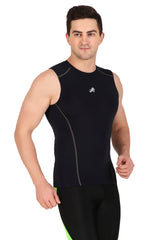
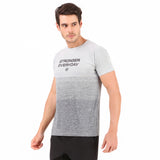
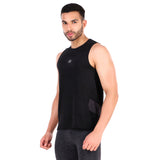
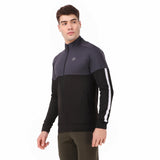
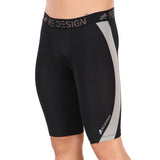
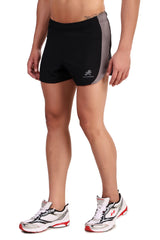
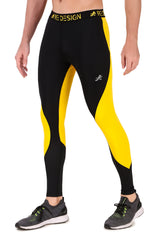

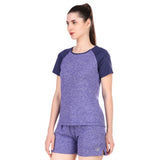
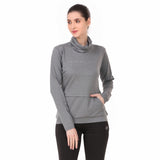
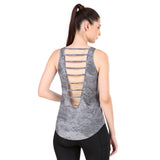
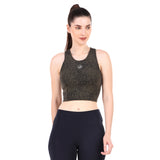
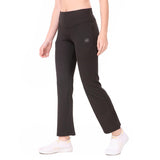
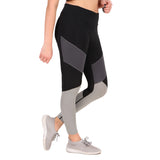
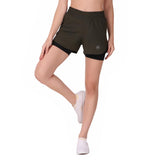
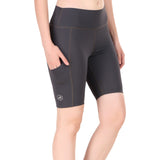

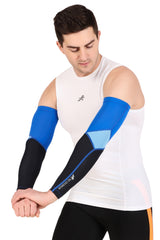
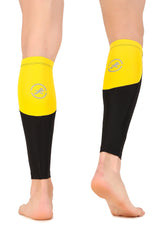


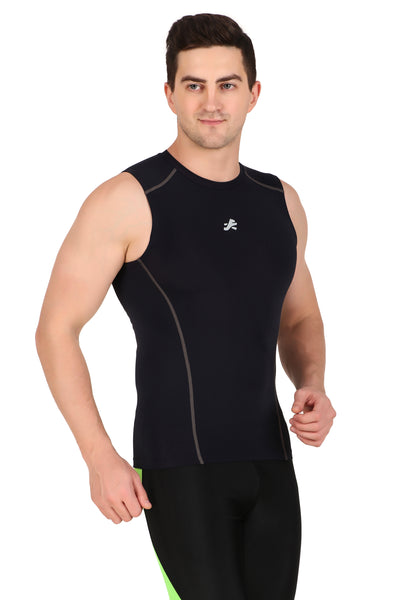
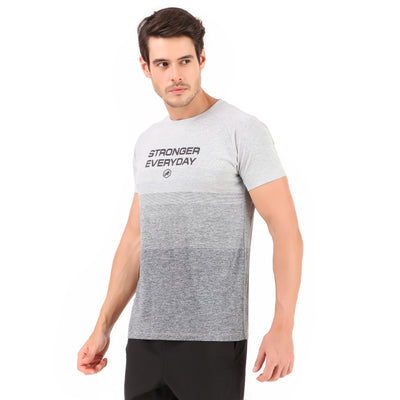
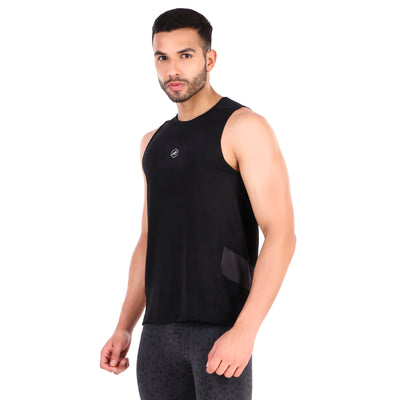
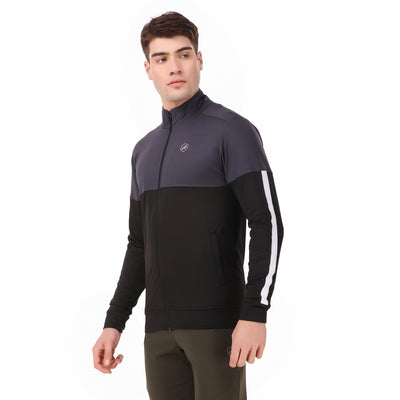
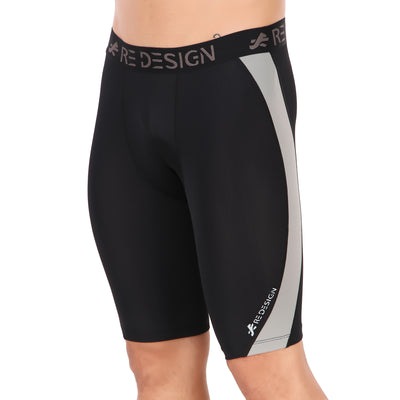
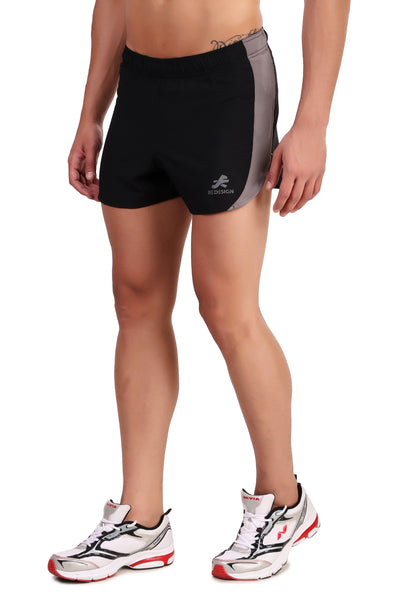
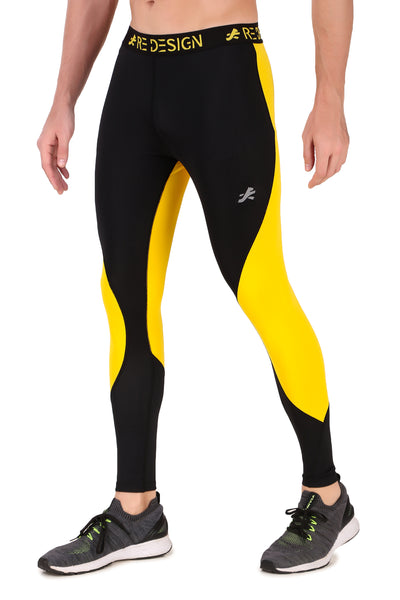
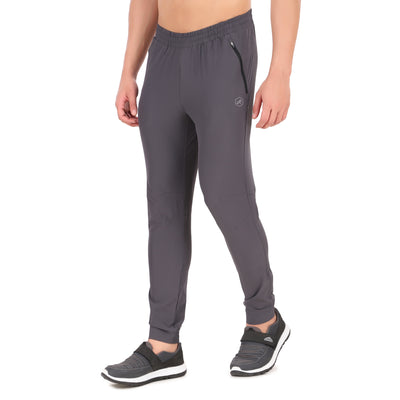

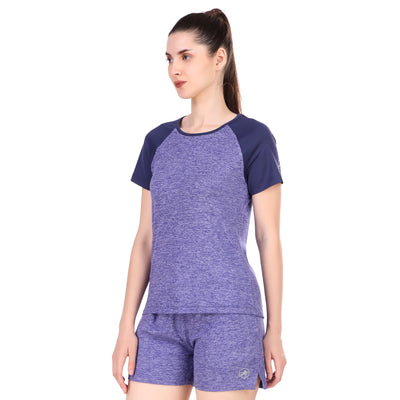
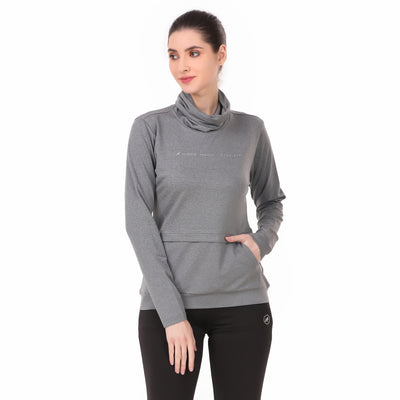
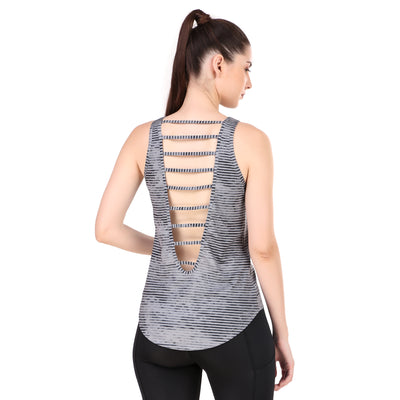
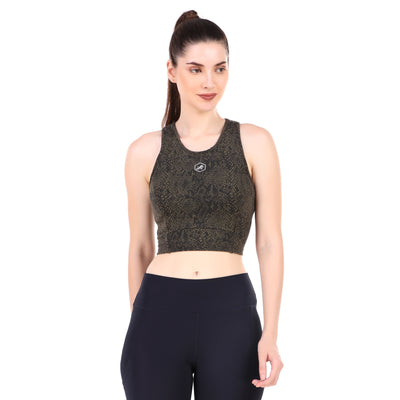
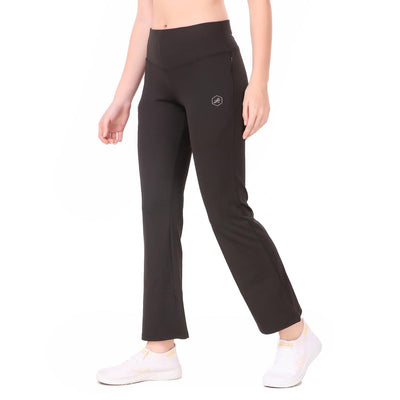
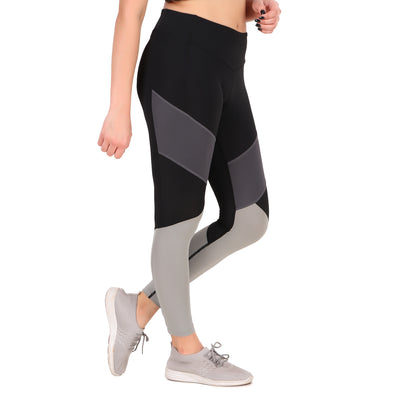
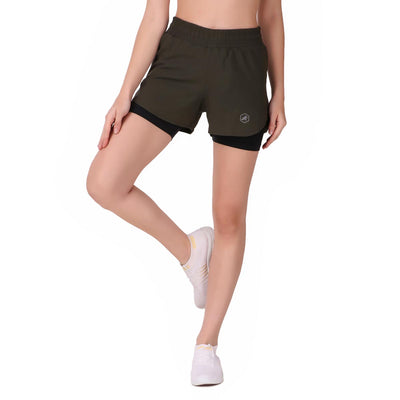
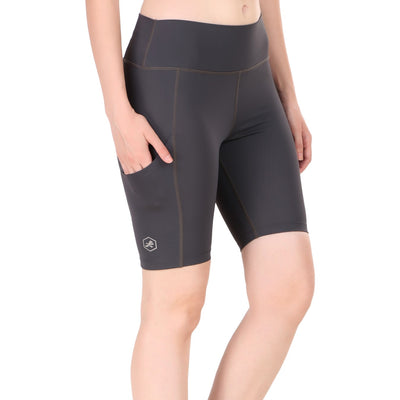
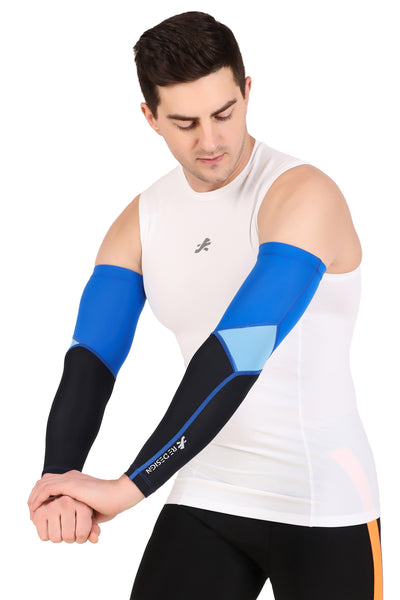
When you pull on your first technical baselayer, knowing how compression wear should fit is the difference between effortless, supportive movement and distracting discomfort. Compression gear is fundamentally engineered to fit like a firm, uniform second skin that hugs your body contours without pinching, chafing, or restricting blood circulation. The fabric must maintain smooth, continuous contact with your skin with zero loose folds or sagging, yet still allow you to breathe deeply from your diaphragm, squat through your full range of motion, and sprint without feeling your limbs throb or tingle.
The Second-Skin Misconception: Snug Support vs. Painful Constriction
For many Indian gym-goers, runners, and cricketers, the initial sensation of trying on authentic compression wear can feel surprisingly tight. Having grown up wearing loose cotton t-shirts, relaxed track pants, or traditional roomy sportswear, slipping into a tight synthetic knit often triggers an immediate instinct that the garment is a size too small.
However, understanding how should compression wear fit starts with recognizing the difference between snug mechanical support and painful constriction. Compression apparel utilizes elastic yarns to exert gentle, consistent surface pressure against your skin and underlying soft tissues. This pressure is meant to hold muscles firmly in place, dampening muscle oscillation during high-impact running or lifting. If the garment feels supportive, completely smooth, and moves naturally with your body as you bend or stretch, it is doing its job. Conversely, if putting it on leaves you gasping for breath, leaves deep purple indentations, or causes numbness in your extremities, it has crossed the line from functional compression into dangerous constriction.
How Compression Tops Should Feel Across the Chest, Shoulders, and Arms
A frequent question among lifters and runners is: should compression shirts be tight across the torso and arms? The answer is yes, but that tightness must be evenly distributed. When evaluating men's compression t-shirts, look for specific fit indicators across each anatomical zone:
- The Chest and Ribcage: The fabric should lie flat across your pectorals and sternum with no gaping at the neckline. Crucially, it must expand smoothly as your lungs fill. Take a full, deep breath; if the fabric restricts your ribcage from expanding naturally or makes you feel claustrophobic, you need to size up.
- Shoulders and Armpits: Shoulder seams should align closely with the natural edge of your acromion bone. The fabric under your armpits must sit flush against the skin without digging into the delicate axillary crease or causing pinching friction when you swing your arms during a run or overhead press.
- Biceps and Forearms: Sleeves should wrap smoothly around the muscle bellies from the deltoid down to the wrist or elbow without loose cuffs. If you notice fabric gathering or fluttering in the wind during a sprint, the sleeves are too loose to provide any containment.
- Torso Length and Hem: The lower hem of a compression top should extend roughly two to three inches below the waistband of your shorts or tights. This generous overlap prevents the shirt from riding up your midsection during pull-ups, squats, or overhead barbell movements.
How Compression Bottoms Should Fit: Waistbands, Knees, and Calves
Athletes frequently ask: how tight should compression pants be around the lower body? Whether you are testing men's compression pants or women's leggings, the garment must provide uniform coverage from the waist down to the ankles without creating pressure hotspots:
- Waistband Anchorage: The waistband is the anchor of the entire garment. It should rest securely against your waist or hips without cutting into your stomach or rolling over when you sit down or hinge at the hips. A quality waistband stays in place through friction and elastic recovery, not by strangling your midsection.
- Crotch and Gluteal Fit: The crotch gusset should sit flush against your body without sagging or creating an air gap between your thighs. If the fabric sags between your legs, every stride will pull downward on the waistband, causing the tights to slide.
- Knee Articulation: The fabric across your kneecap should feel smooth and continuous. As you descend into a deep barbell squat or lunge, the fabric should stretch evenly without binding behind the knee crease or bunching painfully into the popliteal space.
- Calves and Ankles: Compression should feel firmest around the lower leg, supporting the calf muscles while tapering smoothly to the ankle hem. The ankle opening should rest flat against the skin without pinching the Achilles tendon or gaping open.
True to Size vs. Sizing Down: Debunking the Downsizing Myth
A persistent myth circulating in Indian gym locker rooms and online fitness forums claims that you should intentionally buy one size smaller in compression wear to look more muscular or achieve stronger compression. The debate over whether compression wear size down or true to size is the right approach is settled by textile science: you should almost always purchase your true size.
Modern compression wear is engineered with built-in "negative ease." This means textile designers intentionally construct the finished garment with dimensions smaller than the body measurements it is built to fit. When you choose your true size according to the manufacturer's size chart, the elastane yarns stretch to the exact tension required to exert functional surface pressure.
When you intentionally size down, several negative consequences occur:
- Elastic Fatigue and Fabric Sheering: Overstretching synthetic knits forces the elastane filaments beyond their elastic limit. The fabric thins out, becomes semi-sheer when you bend or squat, and loses its structural recovery, causing the garment to bag out prematurely after a few washes.
- Restricted Venous Return: Excessive pressure can compress superficial blood vessels rather than assisting circulation. Sports science research on compression fit has examined interface pressure across sports compression garments, noting that poorly calibrated, overly tight fits fail to achieve intended physiological pressure gradients and cause athlete discomfort.
- Compromised Movement Efficiency: Sizing down pulls seams taut against joints, restricting hip and shoulder mobility and causing friction chafing along high-tension seams.
It is important to emphasize that sports compression garments are non-medical activewear designed for fitness and athletics. They are not medical compression stockings, which require clinical supervision and graduated pressure ratings for conditions such as deep vein thrombosis, severe lymphedema, or varicose veins. If you have circulatory issues, diabetes, or are pregnant, always talk to a medical doctor before using compression wear.
Calibrating for Indian Body Proportions: Tummy Ease and Waistband Grip
Many international sportswear brands build their sizing templates on Western athletic silhouettes, which often assume broad shoulders paired with exceptionally narrow waists, or long limbs with slender torsos. For many Indian athletes and fitness enthusiasts, standard international charts can lead to frustrating sizing mismatches.
Common Indian body proportions include softer lower abdominal profiles, narrower shoulders relative to the waist, or fuller calves and thighs built from years of walking, running, or playing cricket. When shopping for compression gear, navigating these proportions requires a thoughtful approach:
- The Midsection Calibration: If your chest measurement corresponds to a size Medium but your waistline falls into a Large, prioritizing the waist measurement ensures the waistband will not dig painfully into your abdominal wall or roll down during workouts.
- Lower Body Curves and Glute Coverage: For women shopping for active leggings, prioritizing hip and glute measurements over simple waist circumference ensures adequate coverage without the fabric overstretching or becoming sheer during squats and lunges.
- Look for Adaptable Fabrics: Brands designed in India, such as ReDesign Sports, craft compression apparel specifically suited to local body types. ReDesign Sports utilizes durable nylon-spandex and polyester-spandex compression fabrics across its range, priced between Rs. 490 and Rs. 1,500, offering comfortable stretch recovery that accommodates diverse Indian body shapes without losing shape over time.
Tell-Tale Signs Your Compression Gear Is Dangerously Too Tight
Pay close attention to how your body responds during the first ten minutes of wearing any new compression piece. If you experience any of the following symptoms, your gear is too tight and you need to exchange it for a larger size:
- Tingling or Numbness: Any sensation of "pins and needles," numbness, or coldness in your fingers, hands, toes, or feet indicates compromised peripheral circulation or nerve compression.
- Deep, Painful Seam Marks: While light, temporary skin impressions are normal after wearing snug activewear, deep red or purple indentations that remain sore or take longer than twenty minutes to fade indicate excessive interface pressure.
- Difficulty Breathing Deeply: If a compression top prevents you from taking full, deep diaphragmatic breaths during cardio or heavy lifts, it is constricting your thoracic cavity.
- Persistent Waistband Roll: When a waistband aggressively rolls down into a tight, rope-like band across your stomach, it is a clear sign that the waist is too small to sit flat against your torso.
- Fabric Sheering: If the fabric appears shiny, strained, or reveals your skin underneath when performing a standard mirror squat test, the elastane fibers are over-tensioned.
Warning Signs Your Compression Gear Is Too Loose to Do Its Job
On the opposite end of the spectrum, wearing compression gear that is too loose defeats its entire functional purpose. You know your gear is too loose if you notice any of the following signs:
- Visible Wrinkles or Ripples: If the fabric bunches, wrinkles, or forms loose folds behind your knees, around your ankles, or across your lower back, it is not applying sufficient surface tension.
- Slipping and Shifting During Movement: If your leggings slide down your hips while jogging on the treadmill, or if your compression sleeves slide down your forearms, the garment lacks the negative ease necessary to anchor to your body.
- Chafing and Rubbing: True compression prevents friction by sitting motionless against your skin. If the fabric shifts back and forth across your sweaty skin as you move, it creates friction that leads to painful chafing.
- No Sensation of Muscular Support: While compression should never feel restrictive, you should feel a distinct, gentle hug supporting major muscle groups. If it feels no different than a standard loose polyester gym shirt, it is too large.
How to Measure Your Chest, Waist, and Inseam Accurately with Tape
Relying on generic dress shirt sizes (such as "I wear a 40 in formal shirts") is the most common reason people order the wrong compression size. To use any compression wear size guide effectively, take five minutes to measure your body accurately using a flexible vinyl tailor's tape in inches or centimeters:
- Chest / Bust Measurement: Stand upright with your arms relaxed at your sides. Wrap the tape horizontally around the fullest part of your chest, passing directly under your armpits and across your shoulder blades. Keep the tape level with the floor and breathe normally without puffing out your chest.
- Waist Measurement: Locate your natural waistline, typically situated about an inch above your belly button where your torso creases when you bend sideways. Wrap the tape comfortably around this point without sucking in your stomach or pulling the tape so tight that it pinches your skin.
- Hip Measurement: Stand with your feet together on a flat surface. Wrap the tape around the widest, fullest point of your hips and glutes, ensuring the tape remains completely horizontal all the way around.
- Inseam Measurement: Measure along the inside of your leg, starting from the crotch seam down to the base of your ankle bone. This determines whether you need full-length tights or 7/8 ankle-length cuts.
- Calf and Bicep Circumferences: For individual sleeves, measure around the thickest, fullest point of your flexed bicep or standing calf muscle to ensure the cuff will grip securely without slipping.
If your measurements place you directly between two sizes on a brand's chart, evaluate your intended use: if you prefer a firm athletic hold for high-intensity training, the smaller size is usually appropriate; if you prefer all-day comfort or have a broader midsection, select the larger size. If you ever have doubts about your fit, reaching out to the ReDesign Sports customer support team ensures you receive personalized guidance backed by a straightforward 7-day return and exchange policy.
How Should Compression Wear Fit? A Quick Fit Check
Use the matrix below as a quick troubleshooting reference to evaluate your compression gear in front of a mirror before heading to the gym or running track:
| Anatomical Zone | Too Tight (Size Up) | Optimal Second-Skin Fit (Ideal) | Too Loose (Size Down) |
|---|---|---|---|
| Upper Torso & Chest | Restricts full inhalation; cuts into armpits; suffocating sensation | Smooth, flat contact across pecs; expands naturally with deep breathing | Gaps at the collar; fabric bunches around the shoulders and armpits |
| Waistband & Core | Rolls down into a tight rope; pinches skin; leaves deep red ridges | Sits flat against hips or waist; stays anchored through deep squats | Slides downward during jogging; requires constant pulling up |
| Biceps & Arms | Thumping pulse in forearm; cuff pinches upper bicep uncomfortably | Snug wrap along muscle contours; stays firmly in place during movement | Loose cuffs; fabric flutters during wind or high-speed running |
| Glutes & Thighs | Fabric becomes semi-transparent during squats; seams pull white | Complete opacity in good light; firm, supportive hug across quads | Sagging crotch gusset; excess fabric ripples across the upper thighs |
| Knees & Calves | Binds painfully behind the knee crease; causes foot tingling | Smooth articulation across patella; tapered, firm grip on the calf | Folds of loose fabric behind the knee; flared, loose ankle cuffs |
See every style in one place in our compression wear collection, with the size and fit guide.
Frequently Asked Questions
Should compression wear feel uncomfortably tight when you first put it on?
Compression wear should feel distinctly snug, but it should never feel uncomfortably tight or painful. When trying it on for the first time, you will notice firm surface tension across your muscles compared to relaxed cotton sportswear. However, this feeling should feel supportive, much like a snug athletic wrap. If you experience tingling, restricted breathing, or pinching, the garment is too small and should be exchanged for a larger size.
Does compression wear loosen up after wearing or washing it?
High-quality compression garments constructed from durable nylon-spandex or polyester-spandex knits are engineered to retain their shape and elastic memory. While the fabric may experience a very slight relaxation after the first ten minutes of body heat and movement, it will not permanently stretch out or loosen like cotton. Washing the garment in cool water and air drying it away from high heat restores the synthetic fibers to their original tension.
Can wearing overly tight compression wear restrict blood circulation?
Yes. If you wear compression gear that is significantly too small, the excessive mechanical pressure can constrict superficial veins and capillaries, potentially impairing blood flow. Warning signs of restricted circulation include numbness, tingling sensations, cold extremities, or deep throbbing in your muscles. Always ensure that your gear follows your true tape measurements and never causes physical distress.
Should I buy one size smaller in compression t-shirts to look muscular?
No, you should not size down in compression shirts. Compression apparel already features engineered negative ease designed to accentuate muscle definition while applying calibrated surface tension. Purchasing a size smaller overstretches the elastane fibers, causing the fabric to thin out, lose opacity, restrict shoulder mobility, and wear out prematurely. Choosing your true size according to your chest measurement provides the best balance of aesthetic definition and functional performance.
Why does the waistband of my compression pants keep rolling down?
A rolling waistband is usually caused by one of two issues: either the waist is too small, forcing the elastic to seek the path of least resistance at the narrowest crease of your torso, or the crotch gusset is sitting too low. When putting on compression tights, work the fabric upward gradually from your ankles through your calves and thighs so the crotch sits flush against your body. If the waistband still rolls down after proper adjustment, sizing up will usually resolve the issue.
Finding your perfect fit unlocks the true benefits of technical sportswear, giving you the confidence to train harder without distraction. Explore the range of Made in India compression t-shirts and men's compression pants at ReDesign Sports, where over 10,00,000 satisfied athletes rely on premium compression apparel supported by a 15% automatic discount at checkout, free nationwide delivery over Rs. 500, and returns or exchange within 7 days.