

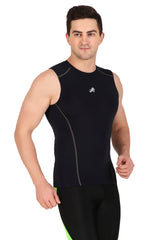
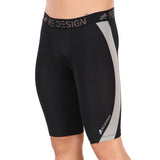
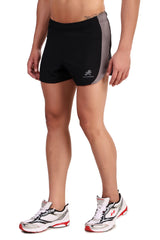
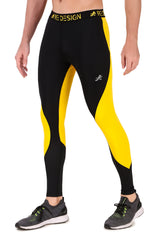

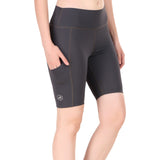

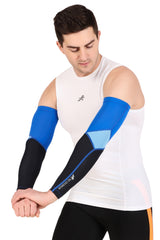
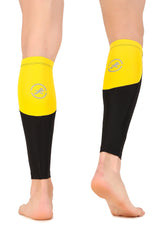


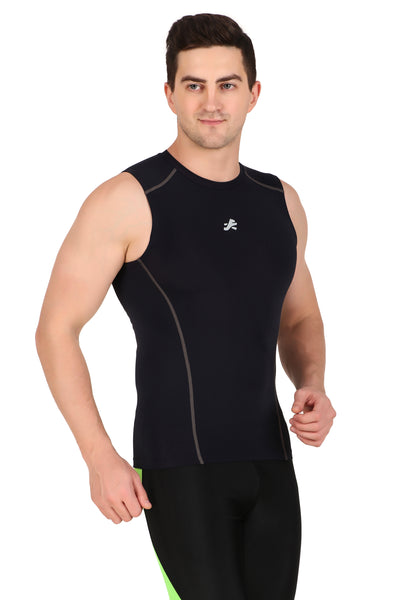

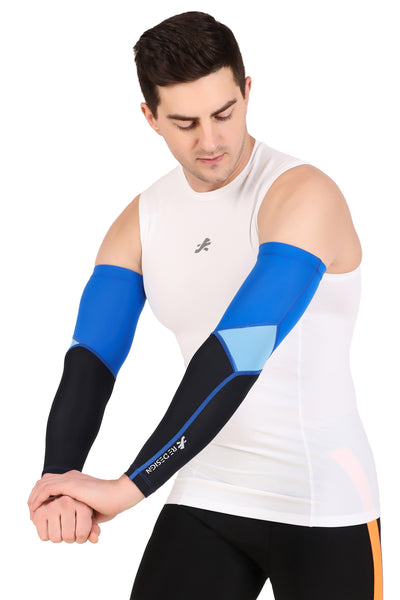
In modern cricket across India, wearing compression arm sleeves for cricket has shifted from an occasional aesthetic trend into an essential piece of equipment for bowlers and outfielders alike. At its core, an athletic compression sleeve is a snug, elastic textile layer worn from the wrist up to the mid-bicep designed to apply consistent surface pressure across the forearm, elbow, and upper arm. Whether diving on rock-hard club maidans in Mumbai, bowling twenty overs during a sweltering Delhi afternoon, or patrolling the boundary rope in Chennai, cricketers wear arm sleeves to protect against abrasive friction burns, shield their skin from harsh sunlight, and manage muscular vibration during high-velocity throwing and bowling actions.
Why Are Compression Arm Sleeves for Cricket Everywhere in Modern Matches?
Watch any Indian Premier League (IPL) fixture, Ranji Trophy clash, or weekend corporate tournament, and you will notice players sporting single or paired arm sleeves. The physical demands of contemporary cricket have transformed dramatically over the past decade. Athletes are expected to sprint across the outfield, execute sliding stops on uneven ground, and deliver repeated spells of bowling without a drop in physical intensity.
Unlike loose cotton shirts that bunch up, soak through with sweat, and offer minimal surface defense, specialized compression gear sits flush against the skin. For Indian cricketers who balance five-day red-ball matches, 50-over leagues, and intense evening T20 drills, choosing quality compression arm sleeves for cricket provides a modular, versatile layer. Instead of changing entire jerseys when weather conditions shift, players can slip sleeves on or off between innings, adapting instantly to changes in temperature, ground conditions, and match roles.
Turf-Burn Defense: Diving on Abrasive Club and Academy Outfields
One of the primary practical reasons cricketers rely on sleeves in India comes down to outfield conditions. While elite international venues boast lush, pristine rye-grass turf, the vast majority of local cricket in India is played on academy grounds, school fields, and public maidans—such as Shivaji Park in Mumbai or university grounds in North India—where turf is thin, dry, and baked hard by intense heat.
When a boundary fielder executes a diving stop or sliding sweep on abrasive red clay or dry soil, bare skin bears the brunt of the friction. Outfield turf burns are notoriously painful, prone to infection from ground dust, and can sideline a player for days. Wearing dedicated cricket arm sleeves for fielding creates a resilient barrier between delicate forearm skin and abrasive soil. The tough synthetic knit takes the brunt of the slide, allowing fielders to commit fully to boundary stops without hesitating over skin scrapes or elbow burns.
Muscle Containment: What Studies Suggest About Bowling Elbows and Forearms
Fast bowling and long-distance boundary throws place extraordinary biomechanical stress on the human arm. During delivery, a fast bowler's shoulder rotates at speeds exceeding 400 degrees per second, transferring violent kinetic energy through the elbow joint down to the wrist and fingers. Upon release and follow-through, rapid eccentric deceleration generates significant shockwaves through the soft tissues of the arm.
This soft-tissue vibration is known in sports science as muscle oscillation. When soft tissues repeatedly shudder upon impact or deceleration, it can contribute to microscopic tissue micro-trauma, fatigue, and delayed-onset muscle soreness. Research into upper-body compression explores how external pressure interacts with these forces:
- A landmark 2007 study by Duffield and Portus published in the British Journal of Sports Medicine evaluated full-body compression garments on cricket players during throwing and repeat-sprint performance. While compression garments did not increase acute throwing distance or sprint velocity, players demonstrated significantly lower creatine kinase (CK) levels—a physiological marker of muscle damage—and reported lower perceived muscle soreness 24 hours post-exercise.
- A comprehensive review by MacRae, Cotter, and Laing (2011) in Sports Medicine highlighted that graduated external compression stabilizes underlying musculature, dampening lateral and vertical soft-tissue oscillation caused by repetitive impact and deceleration.
- Earlier work by Kraemer and colleagues (2001) in the Journal of Orthopaedic & Sports Physical Therapy noted that external compression helps reduce localized swelling and muscle disruption following intense eccentric loading.
Wearing a supportive cricket bowling arm sleeve provides continuous mechanical containment around the biceps, triceps, and forearm flexors. In addition, the light surface compression enhances proprioception—the sensory awareness of joint position—which helps bowlers maintain consistent bowling mechanics across long spells. However, it is important to remember that compression garments are sports activewear, not medical devices. They do not prevent structural injuries like ligament tears or bone stress fractures. If you experience chronic elbow pain, joint swelling, or tendonitis, you should always consult a sports medicine physician or qualified physiotherapist.
Sun Exposure on the Boundary: Shielding Skin During 6-Hour Matches
Cricket is unique in how long players remain exposed to the open elements. A standard 50-over match or multi-day club game keeps players in the field for six to eight hours under punishing sun, often in temperatures ranging from 35°C to well over 42°C in Indian summers. Over prolonged periods, direct ultraviolet (UV) radiation causes painful sunburn, accelerated fatigue, and long-term skin damage.
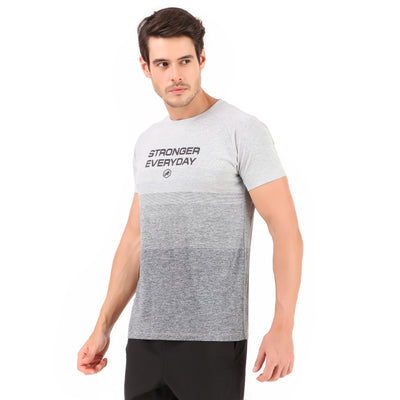
Many players turn to anti sunburn cricket sleeves as a reliable physical shield. While sunscreen washes off with heavy sweating and requires regular reapplication, a dedicated sleeve stays in place through every session. Many athletes prefer wearing men's half sleeve compression t-shirts paired with detachable arm sleeves, giving them the flexibility to cover their forearms during midday fielding sessions while retaining upper-body ventilation. On days with sustained sunlight or cooler winter mornings, athletes often transition to full-coverage men's full sleeve compression t-shirts for complete upper-body protection.
Evaporative Cooling: How Synthetic Sleeves Cool Your Arms as You Sweat
A common concern among Indian club cricketers is whether wearing an extra layer on the arms will make them feel hotter during humid monsoon days or dry summer heatwaves. While adding a heavy cotton layer would trap heat, technical compression garments function on an entirely different physical principle.
High-performance sleeves are manufactured from technical synthetic knits, primarily nylon-spandex or polyester-spandex blends. As you bowl or run, sweat beads on your skin. The synthetic knit draws that moisture across a wide surface area on the outside of the sleeve. As you move, ambient air and wind flow across the fabric, accelerating evaporative cooling. This continuous moisture dispersion helps regulate skin temperature, making cooling arm sleeves for cricket feel noticeably cooler in breezy outdoor conditions than bare skin drenched in trapped sweat.
Single Sleeve vs. Pair: When Bowlers and Fielders Choose Each Setup
One of the most noticeable quirks on the cricket pitch is seeing one player with a single sleeve on their bowling arm while a teammate wears a matching pair. The choice between a single sleeve and a pair depends on your specific role on the field:
- The Single Sleeve Setup (Fast Bowlers & Spinners): Bowlers frequently wear a single sleeve on their active bowling arm. The primary objective is localized arm temperature management and muscle containment. Between overs or during fielding breaks, the sleeve helps keep the bowling elbow, bicep, and forearm warm, preventing rapid cooling and muscle stiffness before their next spell.
- The Pair Setup (Fielders & Wicketkeepers): Outfielders who patrol the boundary cover large distances, execute sliding stops on both sides of the body, and face prolonged sun exposure on both arms. Wearing a pair ensures symmetrical sun protection, prevents turf burns on either elbow, and offers uniform compression during repeated high-intensity boundary returns.
Bicep Band Engineering: Keeping Sleeves From Slipping Mid-Delivery
Nothing disrupts a fast bowler's run-up more than an arm sleeve sliding down the bicep midway through a delivery stride. The violent arm swing and sudden deceleration during a release create centrifugal forces that easily dislodge poorly constructed sleeves.
When selecting men's compression arm sleeves, pay close attention to the upper cuff construction. Premium sports sleeves incorporate a wide, elasticated upper band, often backed with an engineered silicone gripper strip that sits flat against the skin of the upper bicep. This band secures the sleeve firmly in place without cutting off circulation or rolling down during sudden bursts of speed. Indian activewear brand ReDesign Sports manufactures its men's compression arm sleeves in India using resilient nylon-spandex and polyester-spandex compression fabrics priced accessibly between Rs. 490 and Rs. 1,500, offering reliable elastic recovery that holds up across demanding overs.
Care and Maintenance: Preserving Elastic Grip After Dusty Field Sessions
Indian cricket grounds generate considerable dust, sweat, and red-soil stains. Proper maintenance is critical to preserving the elastic recovery of spandex fibers and maintaining the grip of upper bicep bands over a long competitive season:
- Rinse Immediately: After a long match or net session, rinse your sleeves in cool tap water to flush out accumulated sweat salts and red clay dust before they dry into the knit.
- Wash in Cold Water: Hand wash or machine wash on a delicate cycle using mild detergent. Avoid hot water, which weakens synthetic elastane filaments over time.
- Never Use Fabric Softeners: Liquid fabric softeners coat synthetic fibers with a waxy chemical residue that clogs the textile knit and degrades elastic tension.
- Air Dry in the Shade: Hang your sleeves to dry in a ventilated indoor space or shaded balcony. Avoid direct, intense afternoon sunlight or high-heat tumble dryers, as excessive heat breaks down synthetic stretch fibers.
Comparing Match-Day Arm Configurations in Cricket
Choosing the right configuration depends on your primary match responsibilities, weather conditions, and ground quality. The table below outlines how different setups compare across key practical metrics:
| Configuration | Primary Practical Benefit | Ideal Player Role | Key Consideration |
|---|---|---|---|
| Single Compression Arm Sleeve | Localized warmth and muscle containment on bowling arm | Fast bowlers, medium pacers, and off/leg spinners | Ensure correct bicep measurement to prevent slippage during delivery |
| Pair of Compression Arm Sleeves | Bilateral sun defense and sliding abrasion protection | Boundary fielders, cover sweepers, and wicketkeepers | Offers modular wear; can be easily removed if overcast conditions set in |
| Full-Sleeve Compression Baselayer | Complete torso and upper-body muscle support and coverage | All-rounders playing long day matches or winter fixtures | Worn directly under team playing shirt for seamless full-body containment |
| Half-Sleeve Top with Sleeves | Maximum tactical flexibility across shifting match sessions | Club cricketers playing through changing day-to-night conditions | Allows quick adjustments between fielding and batting innings |
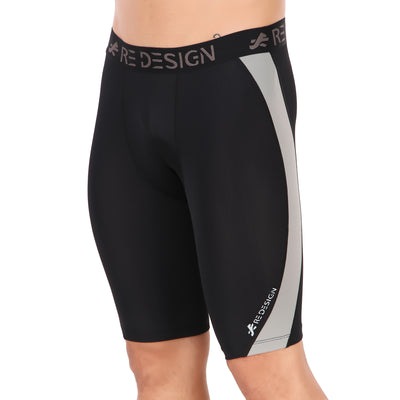
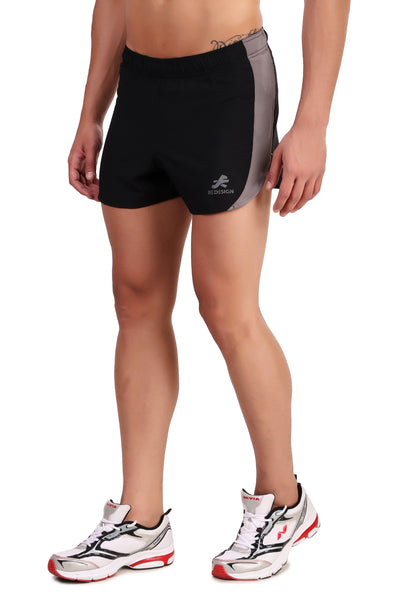
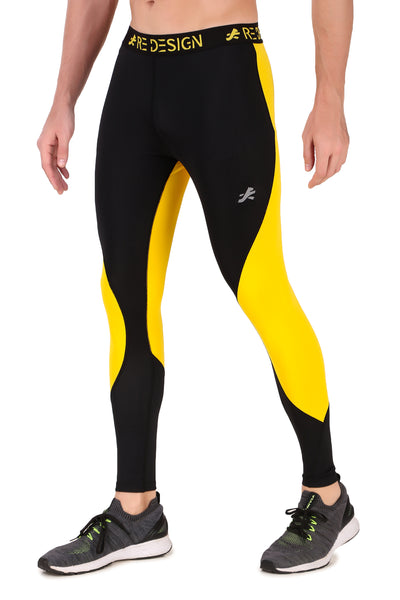
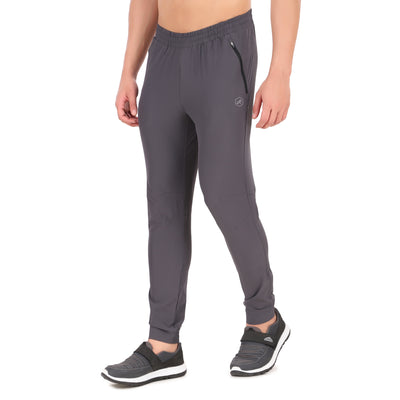
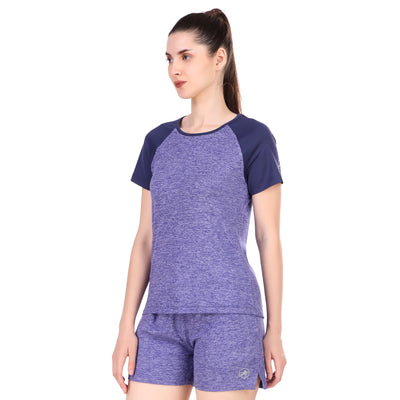
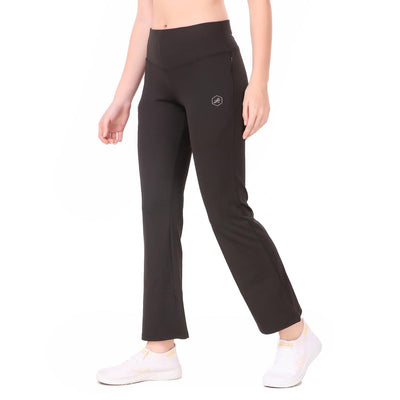
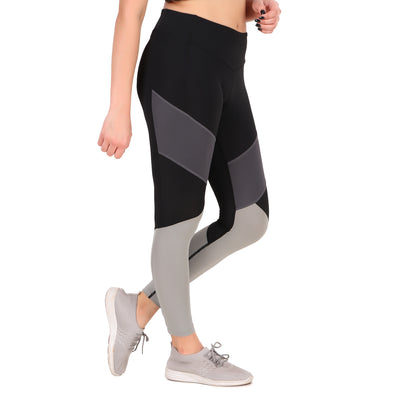
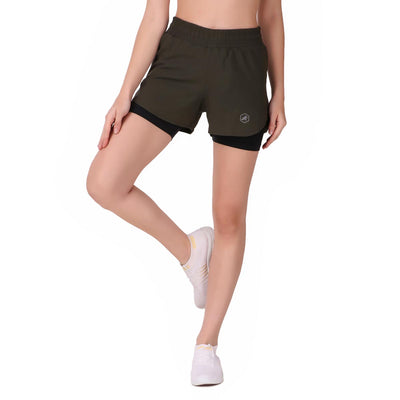
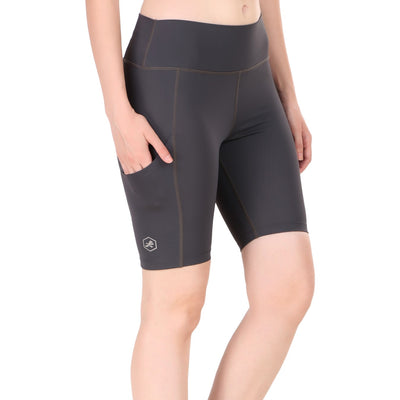
Ready to kit up? Browse all our compression wear for men and women: tops, shorts, tights, leggings and sleeves, made in India.
Frequently Asked Questions
Why do fast bowlers wear a compression sleeve on only one arm?
Fast bowlers primarily wear a compression sleeve on their active bowling arm to maintain muscle warmth, stabilize soft tissues, and support proprioceptive feedback across long bowling spells. When resting between overs at mid-on or mid-off, the sleeve helps keep the elbow joint and forearm muscles warm, reducing the sensation of arm stiffness when called upon to bowl again. Wearing a single sleeve leaves their non-dominant arm unencumbered while targeting support exactly where repetitive bowling stress occurs.
Do cricket arm sleeves protect against elbow soreness?
Compression arm sleeves provide gentle, uniform mechanical pressure that helps dampen muscle oscillation during throwing and bowling decelerations. Research, including findings from the British Journal of Sports Medicine, indicates that compression garments may help reduce delayed-onset muscle soreness (DOMS) after strenuous exercise. However, sleeves cannot cure or prevent chronic joint conditions, ligament sprains, or tendon inflammation. If you suffer from persistent elbow discomfort, you should seek guidance from a qualified doctor or physiotherapist.
Do compression sleeves make your arms feel hotter in Indian summers?
Quality compression sleeves engineered from technical nylon-spandex or polyester-spandex knits do not trap heat like thick cotton. Instead, they facilitate evaporative cooling by pulling sweat across a broader surface area where moving air can evaporate it rapidly. In breezy outdoor match conditions, wearing technical synthetic sleeves often feels cooler and more comfortable than bare skin exposed to direct, scorching sunlight.
How do I choose the correct bicep size for a cricket arm sleeve?
To find your ideal fit, use a flexible tailor's tape to measure the circumference of your upper bicep at its widest point while your arm is relaxed by your side. Compare your measurement in inches or centimeters directly against the manufacturer's size chart. A proper sleeve should fit snugly like a second skin without digging uncomfortably into your skin, rolling down, or causing throbbing in your forearm.
Can cricket arm sleeves also be used for gym workouts and bike riding?
Yes. The muscle containment, abrasion resistance, and sun defense provided by cricket arm sleeves translate seamlessly to outdoor cycling, running, and heavy upper-body strength training. Many athletes use their cricket sleeves during weekday gym sessions for bicep and tricep support, or on daily motorcycle and bicycle commutes across Indian cities to shield their forearms from sun exposure and road dust.
Equipping yourself with the right protective activewear lets you dive for every boundary and deliver every spell with total focus. Explore the complete collection of Made in India compression arm sleeves at ReDesign Sports, where over 10,00,000 customers trust durable, thoughtfully crafted compression wear backed by an automatic 15% checkout discount, free shipping on orders over Rs. 500, and easy 7-day returns.