

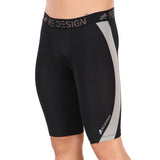
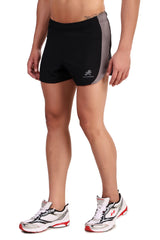
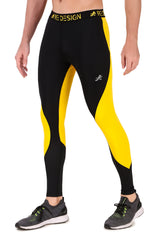

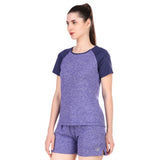
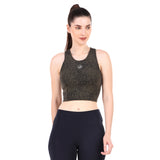
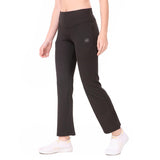
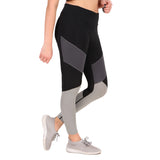
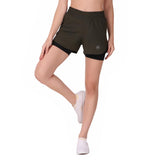



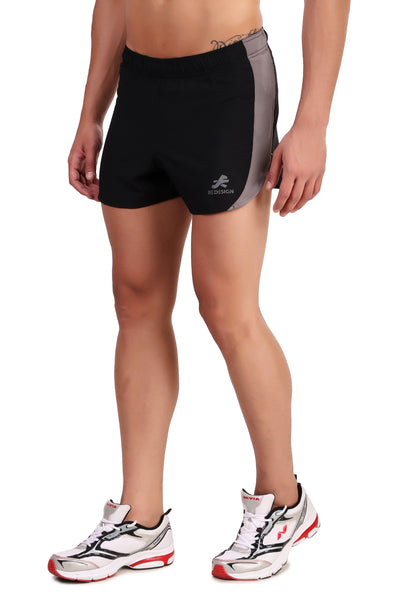
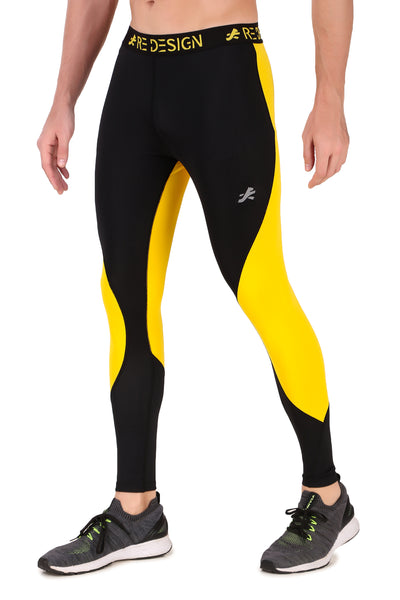
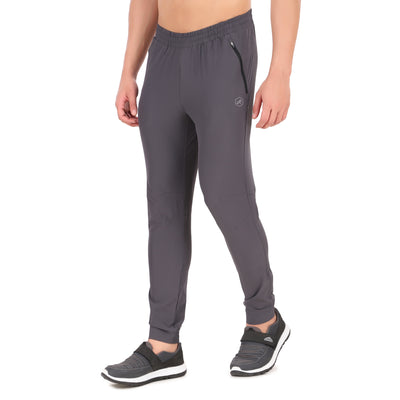

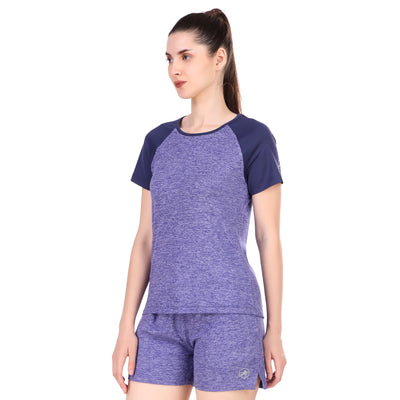
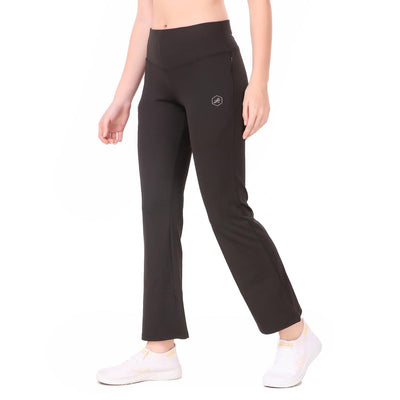
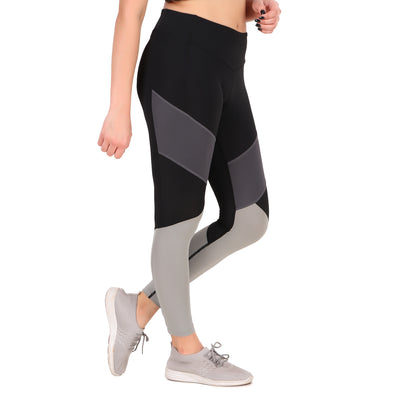
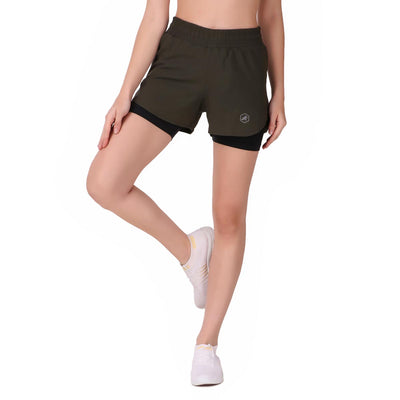
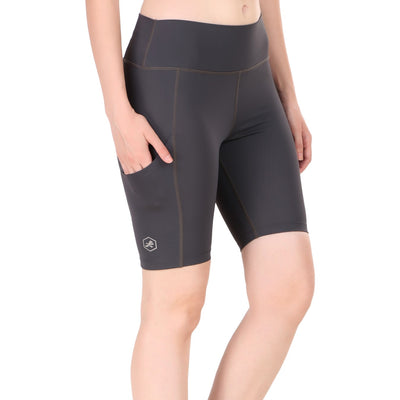
Finding dependable squat proof gym leggings in India can be challenging when bright commercial gym lighting exposes thin, poorly knit fabrics during your deepest lifts. A legging is truly squat-proof when it remains completely non-see-through under high stretch and harsh fluorescent bulbs while staying firmly anchored at your waist. To ensure complete opacity, look for high fabric density (ideally 260 to 310 GSM), a double-knit interlock structure, and a resilient blend of nylon or polyester with high spandex content. Testing your tights under natural sunlight and home lighting before training helps you avoid an accidental wardrobe malfunction on leg day.
The Gym Lighting Reality: Why Lightweight Tights Turn Sheer on Leg Day
Most commercial fitness centers in India—from Cult.fit centers and Gold's Gym franchises to local neighborhood basement gyms in Delhi, Bengaluru, and Mumbai—are illuminated with high-lumen, cool-white overhead fluorescent tubes or direct LED panels. While this brilliant lighting keeps the gym bright and energized, it poses a major challenge for workout apparel.
When you stand upright in front of a mirror, your leggings appear completely opaque. The fabric rests in an unstretched state, with yarn loops closely packed together. However, during functional lower-body movements like barbell back squats, Romanian deadlifts (RDLs), Bulgarian split squats, or wide-stance sumo squats, the fabric over your glutes and thighs experiences extreme multidirectional tension.
In technical terms, the textile undergoes biaxial stretching, expanding anywhere from 150% to 180% of its resting dimensions. When lightweight or loosely knit leggings stretch to this degree, the loops of yarn pull apart, opening microscopic gaps across the knit structure. Bright overhead gym light penetrates directly through these gaps, reflects off your skin or undergarments, and bounces back to an onlooker's eye. If you are wearing cheap or thin activewear, the fabric suddenly becomes semi-translucent or completely sheer right at the bottom of your rep.
Finding reliable women's leggings in India means understanding that sheerness under tension is not a matter of bad luck—it is a direct consequence of low fabric weight and loose knitting.
What Actually Makes Squat Proof Gym Leggings in India Truly Opaque?
The term "squat-proof" is frequently used in sportswear marketing, but it has a precise technical meaning. A legging is genuinely squat-proof when it maintains total optical opacity under peak biaxial stretch while subjected to high-intensity, direct illumination. It must hide contrasting underwear lines, conceal skin tone completely, and resist deformation across repeated training sessions.
Many lifters mistakenly assume that any dark-colored legging is automatically squat-proof. They purchase standard black leggings, only to discover that under direct tension, the black dye lightens to an ash-grey shade as light passes through the stretched mesh. True opacity relies on three structural pillars:
- High yarn density per square inch: Packing more fibers into every square centimeter prevents the knit from opening under load.
- Double-knit architecture: Having two interconnected layers of yarn blocks incoming light beams from traveling straight through the textile.
- High elastic recovery: Ensuring the synthetic yarn snaps back instantly prevents the fabric from bagging around the knees or thinning out permanently after a heavy session.
When selecting non see through leggings in India, buyers should look beyond surface aesthetics and evaluate the fundamental engineering of the textile.
Fabric Density and Interlock Knitting: Why High Spandex Matters
The foundation of any opaque athletic tight is fabric weight, measured globally in Grams per Square Meter (GSM). GSM tells you how much raw yarn is packed into a square meter of fabric. Understanding GSM tiers helps you distinguish between lifestyle casual tights and performance athletic bottoms:
- Under 200 GSM (Ultra-Lightweight): Common in casual fashion tights, lounge leggings, and budget fast-fashion activewear. These garments feel featherlight against the skin but almost always fail the squat test. The yarn count is simply too low to maintain opacity when stretched over the glutes.
- 210 to 240 GSM (Mid-Weight): Suitable for low-impact activities like walking, light yoga, or casual studio pilates. While they may appear opaque during bodyweight lunges, they can turn sheer under heavy compound barbell loads or deep hip flexion.
- 260 to 310 GSM (Performance Density): The sweet spot for gym leggings for heavy squats. At this density, the yarn matrix is packed tight enough to maintain opacity under heavy stretch while offering comfortable, supportive compression around working muscle groups.
However, GSM alone does not guarantee opacity. The knit structure is equally decisive. Most casual leggings use a single jersey knit, where a single row of needles loops yarn in one direction. Single jersey stretches easily, but when pulled horizontally and vertically at the same time, the loops separate like a window screen, letting light flood through.
In contrast, performance athletic leggings use a double-knit interlock structure. Interlock machines employ two sets of needles that cross each other, knitting two distinct fabric faces back-to-back simultaneously. The loops of the front face interlock with the spaces of the rear face. When an interlock fabric stretches across your glutes during a squat, the offset double layers continue to block the line of sight, preventing light transmission.
The yarn composition is the third piece of the puzzle. Premium activewear combines a strong base filament (nylon or polyester) with a high proportion of elastane (spandex). Textile engineering research suggests that activewear fabrics with high elastane recovery exhibit superior resistance to structural deformation and thinning under repeated biaxial stretch cycles. Delhi-based activewear brand ReDesign Sports manufactures its women's collection in India, utilizing nylon-spandex and polyester-spandex compression fabrics designed for athletic training.
| Fabric Specification | GSM Range | Knit Structure | Opacity Under Tension | Recommended Training Use |
|---|---|---|---|---|
| Casual / Fashion Tights | 160–190 GSM | Single Jersey | Very Low (Turns sheer easily) | Loungewear, casual errands, home relaxation |
| Studio / Light Active | 200–235 GSM | Single Jersey or Light Warp Knit | Moderate (Borderline during deep squats) | Walking, light cardio, gentle yoga sessions |
| Athletic Compression | 260–310 GSM | Double-Knit Interlock | High (Remains completely opaque) | Barbell squats, deadlifts, Olympic lifting, HIIT |
| Heavy Sculpting Tights | 320+ GSM | High-Gauge Interlock | Maximum (Zero light transmission) | Cold-weather training, high-compression support |
The 3-Step Home Squat Test to Check Opacity Before Hitting the Gym
Never wear a new pair of workout leggings to a commercial gym without testing them first at home. Testing your tights under controlled conditions takes less than five minutes and saves you from gym embarrassment.
- Step 1: The High-Contrast Underwear Test: Put on your new leggings over brightly colored, patterned, or high-contrast underwear (such as bright red, neon print, or stark white under dark leggings). If a legging has any tendency toward sheerness, high-contrast fabric underneath reveals it immediately.
- Step 2: The Direct Daylight Mirror Check: Stand in a room illuminated by bright, direct natural light—such as near a balcony or large window during daytime—or directly under a bright white overhead tube light. Do not test in a dimly lit bedroom or soft yellow ambient lighting, as dim light hides fabric transparency.
- Step 3: The Full-Depth Camera Flash Video: Prop your smartphone on a low stool or table roughly three to four feet behind you. Turn on the rear camera video mode and switch on the continuous LED recording torch (flash). Face away from the camera, hinge your hips, and perform three slow, full-depth parallel squats, followed by a stiff-legged Romanian deadlift bend. Review the recorded footage. Look closely at the glute apex and lower back. If you cannot see the color of your underwear, your skin tone, or the waistband label through the fabric at the bottom of the squat, your tights pass the test.
Waistband Security: Preventing Roll-Down During Deep Squats and Deadlifts
Even if a pair of tights is completely non-see-through, nothing ruins a heavy lifting set faster than a waistband that rolls down your stomach every time you drop into the hole. Waistband slippage forces you to yank your pants up between every set, breaking your lifting cadence and mental focus.
Waistband roll-down happens for three main reasons:
- Insufficient Rise Height: Mid-rise and low-rise tights sit below the natural taper of your waist. When you hinge at the hips, your torso pushes the waistband downward. High-waisted designs that sit above the iliac crest (covering the navel) anchor naturally against your body's narrowest point, resisting downward displacement.
- Narrow Elastic Bands: Cheap tights often feature a single, narrow strip of elastic sewn into the top seam. This thin strip acts like a cord; as soon as your abdomen compresses during a squat, it folds over itself and rolls downward. Performance leggings utilize a wide, double-layered fabric waistband that distributes pressure evenly across your core without digging in.
- Purchasing the Wrong Size: A very common mistake among Indian gym-goers is sizing down, hoping a tighter fit will provide extra compression or suck in the tummy. When a tight is too small, the fabric stretches past its engineered limit before you even begin your workout. This over-tension forces the fabric to turn sheer over the hips while the over-stretched waistband snaps downward off your waist.
When shopping for high waist squat proof tights, measure your natural waist and hips carefully in inches or centimeters. When browsing the women's leggings range from ReDesign Sports (priced roughly between Rs. 490 and Rs. 1,500), reviewing exact waist and hip measurements in inches ensures you select the right size to prevent over-stretching.
Gusset Engineering: Why Triangle and Diamond Gussets Prevent Tearing
Look closely at the crotch seam of your activewear before making a purchase. In budget fashion leggings, you will often find a traditional four-way cross seam where the two leg inseams meet the front and back rise seams in a single intersection point (+ shape).
This cross-seam design is a major weak point for athletic movement. When you drop into a wide sumo squat or perform deep lateral lunges, tensile stress concentrates directly at that central junction. This leads to three distinct problems: painful chafing, seam failure or tearing under load, and awkward fabric pulling that causes the surrounding material to thin out and turn sheer.
Athletic leggings solve this through precision gusset engineering. A gusset is a separate triangular or diamond-shaped piece of fabric sewn into the crotch seam. By replacing the four-way point with an expanded polygon, the gusset distributes multidirectional mechanical stress across several reinforced seams. It allows the legs to move independently through a full 360-degree range of motion without pulling the glute fabric tight or stressing the front rise.
Color and Pattern Realities: Which Shades Provide Maximum Visual Opacity
While fabric density and knitting structure are the primary drivers of opacity, dye selection and surface patterns play a powerful supporting role in visual coverage.
Darker, richly saturated dyes—such as deep black, charcoal grey, dark olive, and midnight navy—absorb a large percentage of visible light wavelengths. Even if slight micro-gaps appear during peak stretch, the dark pigment prevents light from reflecting off underlying skin, making dark tones the most forgiving option for heavy lifting days.
In contrast, trendy pastel shades like dusty lilac, pale blush, sky blue, and light mint require exceptional fabric quality. Because light dyes reflect high amounts of light, any variation in skin tone or underwear contrast becomes immediately visible unless the fabric sits firmly above 280 GSM with an interlock knit.
Furthermore, be cautious with printed leggings. Many printed activewear garments are manufactured using surface sublimation printing, where graphics are applied onto white base fabric. When you squat, the stretched base yarn can show through the printed ink—a defect known in textiles as "grinning." For maximum visual opacity, look for yarn-dyed fabrics where the fibers are dyed prior to knitting.
Moisture-Wicking vs. Opacity: Staying Cool in Non-Air-Conditioned Gyms
A frequent concern among Indian lifters is managing thermal comfort. During Indian summer months from April to June, ambient gym temperatures can easily climb past 35°C, while monsoon humidity creates heavy sweating. Lifters often worry that choosing high-density, squat-proof leggings will make them overheat.
In reality, breathability and thermal regulation depend on fiber chemistry, not sheer thinness. Natural cotton fabrics hold onto sweat like a sponge, becoming waterlogged, heavy, and transparent when wet. Synthetic performance fibers like nylon and polyester are naturally hydrophobic; they do not absorb moisture into the fiber core. Instead, micro-channels between the fibers pull liquid sweat along the yarn surface away from the skin toward the outer face, where it disperses and evaporates into the air.
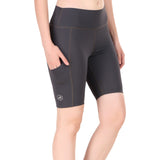
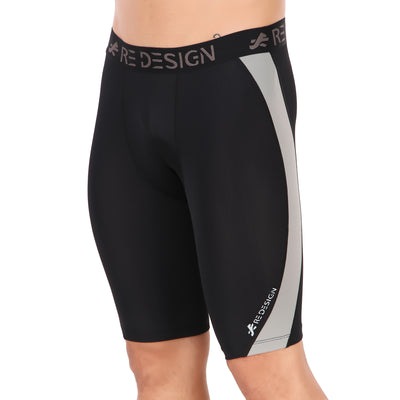
A well-engineered 280 GSM interlock synthetic tight can feel cooler and dry faster during intense interval training than a damp 160 GSM cotton blend. For lifters training in non-air-conditioned spaces or running outdoors in high heat, choosing women's compression shorts offers complete glute opacity with maximum leg ventilation.
Styling Compression Bottoms for Confident Workouts
Achieving total confidence on leg day is about matching proper technical activewear with functional styling. Whether training at a boutique fitness studio or a local gym, thoughtful layering helps you move freely without second-guessing your coverage.
- Pair with seamless underwear: Even the most opaque leggings can display raised lines if worn over bulky cotton briefs with thick elastic hems. Pair your gym bottoms with laser-cut, seamless microfiber briefs in a skin-tone shade. Skin-tone undergarments absorb ambient light evenly, eliminating contrasting shadows.
- Layer with functional tops: High-waisted compression bottoms pair naturally with relaxed athletic t-shirts, cut-sleeve muscle tanks, or structured sports bras. If you prefer additional hip coverage, choose an oversized training tee or tie a lightweight layer around your waist.
- Transition to everyday errands: High-density activewear looks polished outside the gym. Throw an oversized denim jacket or an airy cotton shirt over your high-waisted tights to head straight from your morning workout to running weekend errands or grabbing coffee with friends.
For more options tailored to Indian training conditions, explore the bestselling women's activewear collection. With over 10,00,000 customers across India and features in publications like Forbes India and Hindustan Times, ReDesign Sports provides accessible Indian-made activewear backed by a 7-day return and exchange policy.
Compression tights provide supportive muscular wrap during exercise, but activewear compression is distinct from clinical graduated compression stockings. If you have circulatory disorders, varicose veins, or are pregnant, consult a healthcare professional for clinical advice tailored to your needs.
Frequently asked questions
How do I know if my gym leggings are 100% squat proof?
The only reliable way to confirm a pair of gym leggings is 100% squat-proof is to perform a controlled squat test before working out. Wear high-contrast underwear, stand under direct bright lighting, and record a slow, full-depth squat using your smartphone's rear video camera with the LED flash turned on. If the recorded video reveals zero underwear color, pattern, or skin tone through the stretched fabric over your glutes, the leggings are opaque and ready for gym use.
Do compression leggings prevent underwear lines from showing?
Compression leggings provide a snug, supportive fit across your hips and thighs, but they cannot completely hide thick, raised elastic seams from standard cotton underwear. To eliminate visible panty lines (VPL), wear smooth, laser-cut seamless underwear made from thin microfiber, ideally in a neutral skin-tone shade matching your complexion.
Why do some high-waist tights roll down during heavy squats?
Waistbands roll down primarily due to incorrect sizing, low rise height, or poor waistband construction. If you size down, your body pushes the over-stretched fabric downward when you bend at the hips. Similarly, waistbands with narrow, cord-like internal elastic fold over easily under abdominal pressure. Look for high-rise leggings that sit comfortably above your navel, featuring a wide, double-layered fabric waistband that anchors securely against your natural waist.
Is polyester or nylon better for opaque gym leggings?
Both nylon and polyester make excellent opaque gym leggings when knit at high density (260+ GSM) in an interlock construction. Nylon is softer to the touch, offers exceptional durability, and drapes smoothly. Polyester offers outstanding colorfastness and rapid sweat dispersal. Rather than focusing strictly on nylon versus polyester, ensure the fabric features a double-knit interlock structure with 15% to 25% elastane (spandex) for strong stretch recovery.
How should I wash squat-proof tights to prevent them from thinning out?
To preserve the density and elasticity of your squat-proof tights, always wash them in cold water (below 30°C) on a gentle machine cycle inside a protective mesh laundry bag. Use a mild liquid detergent and skip fabric softeners completely, as softeners break down elastane fibers over time. Never wring out wet tights or dry them under direct, blazing sunlight; air-dry them flat in a shaded, well-ventilated spot to prevent UV degradation and preserve fabric opacity.
Finding the right training bottoms removes workout anxiety so you can focus entirely on your strength, form, and personal records. Prioritize high-density interlock fabrics, test your gear in bright lighting at home, and choose high-waist cuts that stay put through your toughest sets. Explore the Indian-made collection at ReDesign Sports, where orders over Rs. 500 qualify for free nationwide shipping with an automatic 15% discount applied at checkout.