

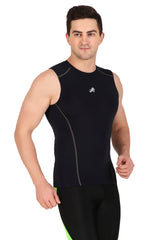
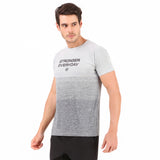
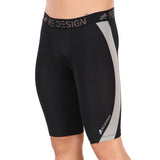
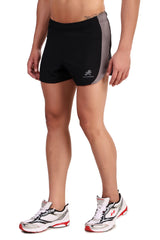
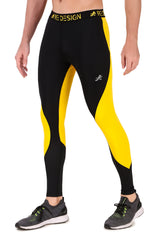

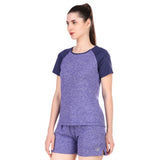
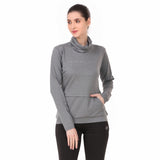
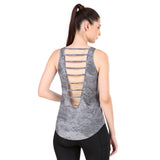
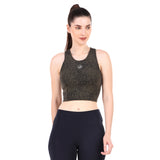
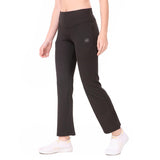
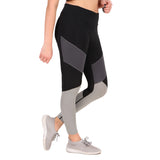
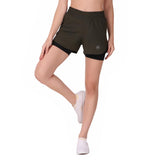
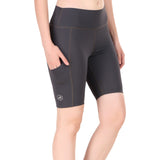

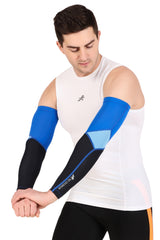
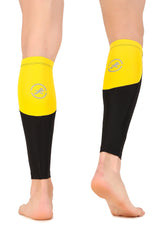


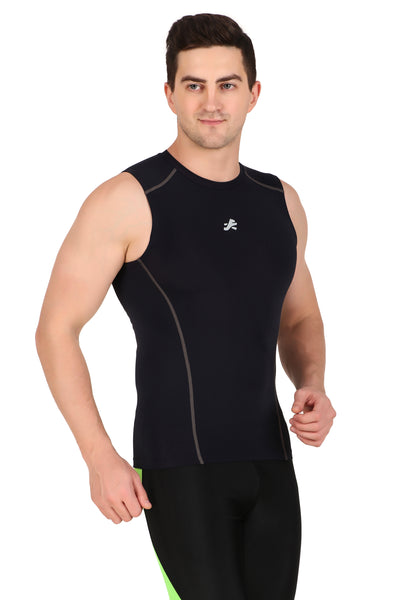
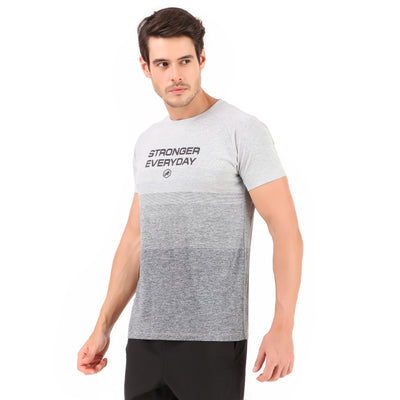
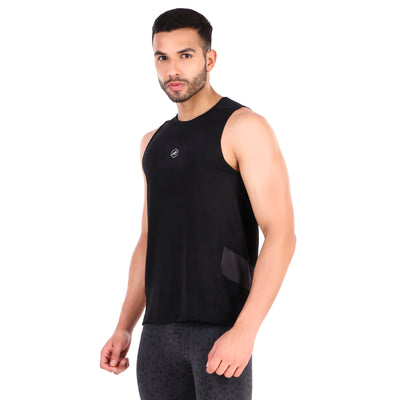
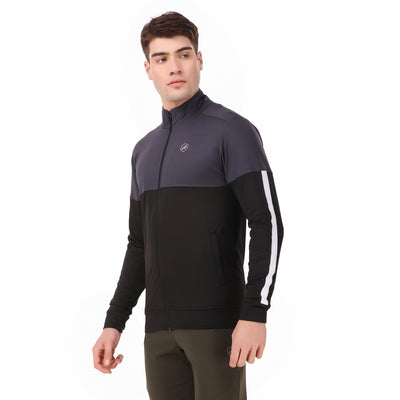
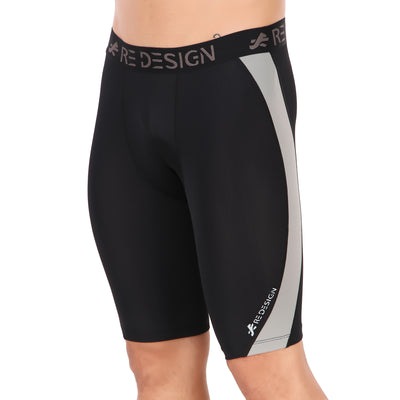

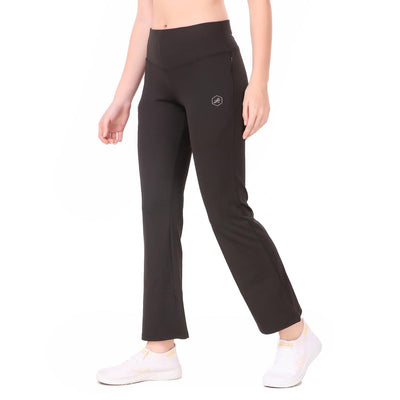
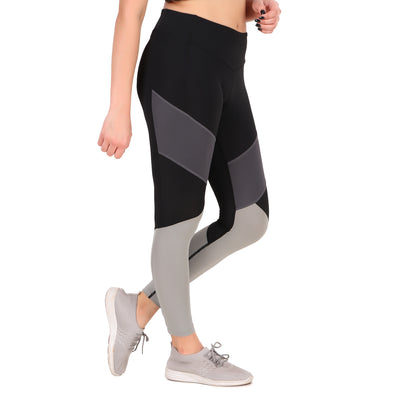
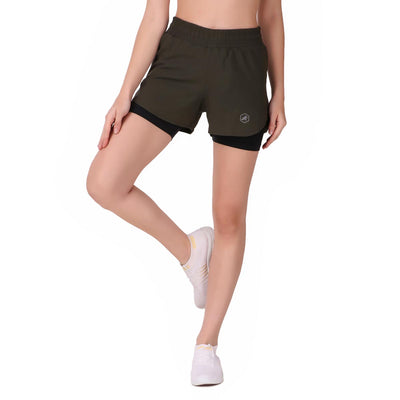
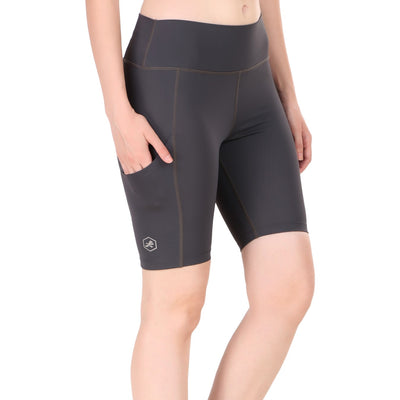
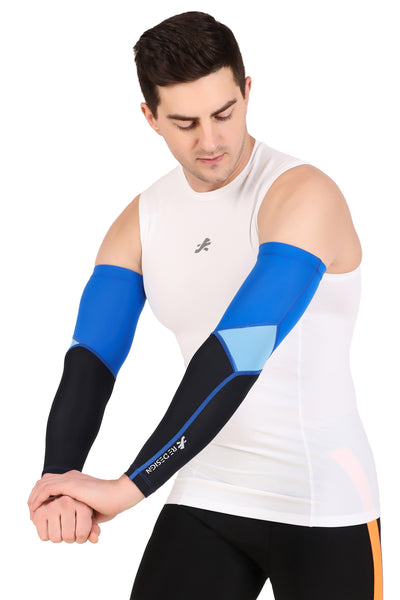
Knowing how to wash compression wear properly is essential if you want your activewear to keep its snug fit and clean scent over hundreds of training sessions. In Indian households, washing compression gear requires specific care because hard borewell water, harsh laundry bars, and high humidity quickly break down delicate synthetic fibers. To wash compression wear correctly, use cold water below 30°C, a mild liquid detergent, and a gentle machine cycle inside a mesh laundry bag—or gently hand-wash without wringing. Skip fabric conditioners completely, and let your garments air-dry flat in the shade away from direct sunlight. Understanding how to wash compression wear in Indian conditions requires specific care, but following these steps preserves fabric elasticity and prevents lingering post-workout odors.
The Anatomy of Compression Fabric: Why Spandex Needs Special Care
Compression apparel is fundamentally different from standard cotton gym wear or loose-fitting track pants. Whether you train for the Mumbai Marathon, bowl long spells in club cricket, or power through barbell workouts, compression clothing relies on a precision blend of synthetic yarns. Most performance gear is built from a core of elastane (commonly known as spandex or Lycra) wrapped with continuous filaments of nylon or polyester.
From a textile engineering perspective, spandex is a segmented polyurethane block copolymer. It features alternating rigid and flexible segments along its molecular chain. The soft segments allow the fabric to stretch under tension when you bend your knees or flex your shoulders, while the hard segments pull the yarn back to its original shape. This snap-back mechanism provides continuous mechanical tension against your musculature.
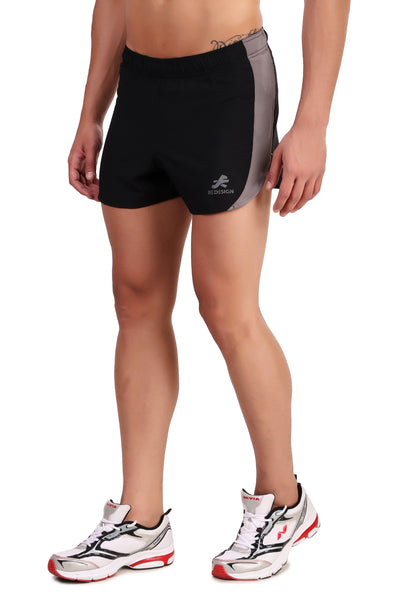
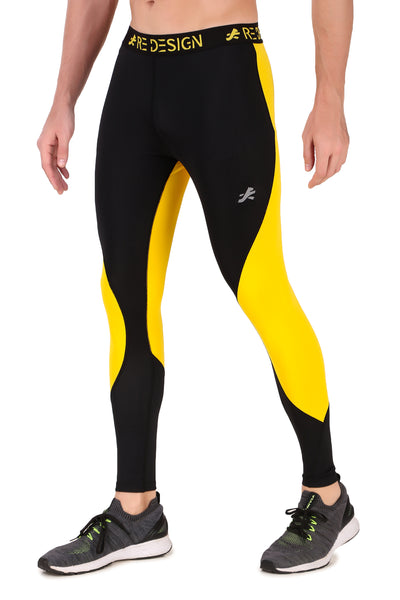
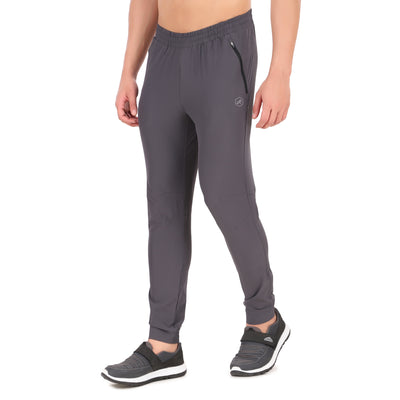
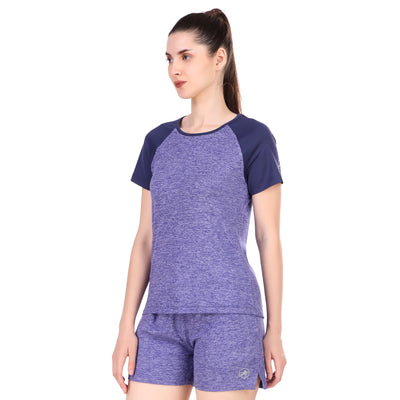
However, polyurethane bonds are vulnerable to chemical and thermal stress. Textile research suggests that elastane fibers experience accelerated tensile decay when subjected to high wash temperatures, alkaline cleaning agents, and aggressive mechanical abrasion. When elastane breaks, the microfilaments snap inside the yarn structure. You might notice this as tiny white elastic threads poking through the surface, loose rippling around the waistband, or a permanent loss of tension. Indian activewear brand ReDesign Sports, for example, manufactures its range in India using nylon-spandex and polyester-spandex compression fabrics engineered for athletic movement. To protect that tailored tension, your laundry routine must minimize both chemical degradation and mechanical friction.
The Hard Water Hazard: How Borewell Minerals Weaken Elastic Fibers
One of the biggest hidden threats to activewear in India is tap water chemistry. Millions of homes in residential hubs like Bengaluru, Chennai, Hyderabad, and parts of Delhi NCR rely heavily on groundwater pumped from deep borewells or supplied by private water tankers. According to data from the Central Ground Water Board (2021), groundwater in many urban Indian regions contains total dissolved solids (TDS) well above 500 parts per million (ppm), with high concentrations of dissolved calcium bicarbonate, magnesium sulfate, and chlorides.
When you wash technical sportswear in hard water, two destructive reactions occur:
- Mineral Encrustation: As wash water evaporates, calcium and magnesium ions precipitate out of solution, forming microscopic mineral crystals that latch onto synthetic fibers. Over successive washes, these deposits build a stiff, chalky layer across the knit structure.
- Abrasive Friction: When you run or lift weights, the fabric stretches and relaxes continuously. Embedded mineral crystals act like microscopic sandpaper, grinding against the delicate elastane filaments and slicing through their polyurethane chains.
- Insoluble Curd Formation: Hard water minerals react with conventional detergents to create soap scum (calcium stearate). This insoluble curd coats synthetic yarns, trapping sweat lipids, body salts, and bacteria inside the weave where regular water rinsing cannot dislodge them.
If your compression tights feel increasingly stiff, rough, or cardboard-like after drying, borewell mineral buildup is the primary culprit. Learning how to clean compression tights in hard water areas means neutralizing these mineral deposits before they cause irreversible fiber damage.
Step-by-Step Hand Washing: How to Wash Compression Wear Safely
Hand washing remains the gentlest, most controlled method to clean technical sportswear. It eliminates the aggressive mechanical agitation of washing machine impellers and allows you to target sweat-heavy zones like underarms, waistbands, and groynes without stretching the garment out of shape.
- Fill a clean basin with cold water: Always use cold tap water (ideally below 30°C). Never use hot water from a geyser, as thermal shock relaxes elastane polymers and degrades stretch recovery.
- Dissolve a gentle liquid detergent: Add half a teaspoon of mild, pH-neutral liquid detergent to the water and stir thoroughly before introducing your clothes. Never apply detergent directly onto dry synthetic fabrics, as concentrated surfactants can cause localized color fading. Avoid traditional laundry bars (such as Rin or Surf Excel bars); their high alkaline pH (often exceeding 9.5) strips natural elasticity.
- Submerge and gently agitate: Turn your garments inside out. Submerge them in the soapy water and gently squeeze the soapy solution through the knit. Let them soak for 10 to 15 minutes. Avoid scrubbing the fabric against itself or using stiff laundry brushes, which create surface pilling and weaken structural stitching.
- Rinse thoroughly with cold water: Drain the basin and refill it with clean, cold water. Submerge the garment repeatedly until the water runs completely clear and all surfactant residue is washed away. Trapped detergent residue attracts dirt and locks in body oils.
- Extract water using the towel roll method: Never wring, twist, or squeeze compression gear with high force. Wringing spirals the elastane fibers under wet tension, snapping the micro-bonds and warping seams. Instead, place the washed garment flat on a clean, dry cotton bath towel. Roll the towel tightly into a cylinder with the garment inside, then press down firmly with your forearms. The cotton towel absorbs excess moisture without stressing the synthetic knit.
Machine Washing Protocol: Cold Water, Mesh Bags, and Gentle Cycles
Many Indian athletes ask: can you machine wash compression wear safely? Yes, provided you follow a strict protocol designed to shield delicate synthetic fibers from mechanical damage. Many Indian homes utilize top-loading washing machines equipped with center agitators or high-torque bottom pulsators. These mechanical parts create intense friction, snagging drawstrings and violently stretching limbs.
To machine wash spandex activewear without shortening its lifespan, execute this step-by-step checklist:
- Empty pockets and secure fasteners: Zip up all zippers, close any hook-and-loop Velcro fasteners (such as those on lifting wraps or knee supports), and tie loose waist drawstrings. Exposed Velcro acts like a wire brush against compression knits, causing immediate fraying.
- Turn garments inside out: Odor-causing bacteria and skin lipids accumulate on the inner surface of your clothing. Turning tights and tops inside out exposes the sweatiest surfaces directly to the wash solution while protecting the exterior finish from drum abrasion.
- Always use a zippered mesh wash bag: Enclosing your activewear in a fine-mesh laundry bag prevents garments from tangling around the central agitator or wrapping around heavier clothing. Whether you are cleaning high-mileage men's compression pants or tops from ReDesign Sports, placing them in a protective laundry bag shields seams from abrasive friction.
- Select the delicate or gentle cycle: Use the shortest wash cycle with minimal drum agitation and low spin speeds (400 to 600 RPM). High-speed spin cycles subject wet elastane to centrifugal forces that stretch fibers out of alignment.
- Always wash with cold water: Ensure the machine inlet temperature is set to cold. Never connect activewear loads to hot water feeds.
- Wash with like synthetics: Never wash compression apparel alongside heavy cotton bath towels, denim jeans, or rough khakis. Heavy cotton sheds lint that adheres stubbornly to synthetic fibers, while coarse denim abrades smooth compression surfaces.
The Detergent Rule: Why You Must Never Use Fabric Conditioners
The single most destructive laundry product for modern athletic apparel is commercial liquid fabric conditioner (such as Comfort or similar softening rinses). While softeners leave cotton bedsheets and casual shirts smelling fragrant and feeling plush, they ruin technical activewear.
Commercial fabric softeners work by depositing a thin, waxy coating of cationic surfactants—primarily quaternary ammonium compounds—over textile fibers. This coating neutralizes static electricity and flattens yarn fibers to create a soft hand-feel. However, when applied to synthetic compression apparel, this chemical film has disastrous consequences:
- Clogs capillary channels: Synthetic activewear relies on micro-channels between fine yarns to draw sweat droplets away from your skin. Quaternary ammonium compounds fill these micro-channels with an impermeable, water-repelling wax layer, preventing sweat from spreading and evaporating efficiently.
- Locks in odors and skin oils: Spandex and polyester are naturally oleophilic (oil-attracting). The waxy softener film seals skin sebum, dead skin cells, and bacteria beneath an insoluble chemical barrier. Once trapped, standard detergent cannot reach or clean these odor-producing compounds.
- Chemically weakens elastane snap: Repeated exposure to the fatty chemical compounds in fabric softeners softens and relaxes the polyurethane bonds of elastane over time, causing waistbands to loosen and leg cuffs to flare out.
Similarly, avoid chlorine bleach and powdered detergents that contain heavy chemical fillers. Powdered detergents frequently fail to dissolve fully in cold water, leaving behind gritty alkaline residues in the tight knit of men's compression t-shirts. Opt instead for a mild, residue-free liquid detergent.
| Laundry Parameter | Common Mistake in Indian Homes | Recommended Care Method | Impact on Compression Fibers |
|---|---|---|---|
| Water Temperature | Hot geyser water (45°C–60°C) | Cold tap water (below 30°C) | Prevents thermal breakdown and slackening of elastane chains |
| Washing Agent | Alkaline laundry bars or heavy powders | Mild pH-neutral liquid detergent | Eliminates grit buildup and preserves tensile fabric strength |
| Conditioning Rinses | Liquid fabric softeners (Comfort) | Half-cup distilled white vinegar | Maintains natural capillary action and removes mineral deposits |
| Machine Agitation | Standard cycle with heavy cottons | Delicate cycle inside a mesh laundry bag | Stops seams from stretching and eliminates surface pilling |
| Water Extraction | Aggressive hand twisting and wringing | Towel roll pressing or low-spin cycle | Protects multidirectional stretch and structural stitch integrity |
| Drying Technique | Direct hot balcony sunlight | Flat air-drying in ventilated shade | Prevents UV photo-oxidation and permanent elastic dry-rot |
Banishing 'Permastink': The White Vinegar Soak for Persistent Sweat Odors
Have you ever put on a freshly washed gym shirt, only to have it start smelling foul within five minutes of warming up? This frustrating phenomenon is known in textile science as "permastink." It occurs frequently in tropical climates like India, where high heat and intense monsoon humidity create an ideal environment for bacterial colonization.
The root cause was illuminated in a landmark 2014 study from Ghent University published in Applied and Environmental Microbiology (Callewaert et al.). Researchers found that synthetic fibers like polyester selectively promote the growth of Micrococcus bacteria. While natural cotton fibers harbor mostly harmless staphylococci, synthetic textiles provide a welcoming surface for Micrococcus. These bacteria consume the long-chain fatty acids, lipids, and amino acids found in human sweat and sebum, breaking them down into volatile, foul-smelling short-chain fatty acids, thioalcohols, and sulfur compounds.
Because synthetic yarns are oleophilic, these oily sweat components embed deeply into the core of the yarn. Standard alkaline laundry detergents often slide right over these oils, especially when hard water mineral scale protects the bacterial biofilm. To permanently remove sweat smell from gym clothes without damaging the fabric, you need a safe acidic pre-treatment: distilled white vinegar.
Household white vinegar contains roughly 5% acetic acid. This mild acid dissolves hard water calcium deposits, strips away residual detergent buildup, and lowers fabric pH, disrupting the bacterial biofilm and releasing trapped sweat oils.
Follow this monthly deep-cleansing vinegar soak protocol:
- Fill a bucket with four liters of cold water.
- Add one full cup (approximately 200–250 ml) of plain, distilled white vinegar. Avoid brown malt vinegar or apple cider vinegar, which contain sugars and natural colorants that stain light activewear.
- Submerge your smelly compression garments completely and let them soak for 30 to 45 minutes.
- Remove the garments, gently press out the vinegar solution, and wash them immediately according to your standard cold-water hand or machine routine.
The vinegar smell dissipates entirely as the clothing dries, leaving the technical fibers clean, fresh, and free of oily residues.
Balcony Drying in India: Why Direct Scorching Sun Destroys Elasticity
In almost every Indian flat or independent house, the standard laundry ritual involves hanging wet clothes on balcony railings, metal clothes horses, or terrace clotheslines. While the blazing Indian sun is fantastic for disinfecting heavy cotton bedsheets, exposing compression garments to direct midday sunlight during a 42°C Delhi summer or a scorching Chennai afternoon is catastrophic for synthetic stretch fabrics.
Sunlight carries intense ultraviolet (UV) radiation. Polyurethane elastane molecules are photochemically unstable under concentrated UV rays. When wet elastane absorbs UV light in the presence of ambient heat, the chemical links connecting the polymer blocks undergo photo-oxidation. This reaction snaps the internal chains, turning the elastic brittle—a condition textile conservators call "elastic dry-rot." Once dry-rot sets in, the fabric loses its rebound, develops wavy hemlines, and tears easily under tension.
To dry your compression apparel safely:
- Dry in the shade: Position your drying rack on a covered balcony, verandah, or inside a well-ventilated room directly beneath a ceiling fan. Indirect airflow dries synthetic fabrics quickly without UV exposure.
- Lay flat on a drying rack: Never hang dripping-wet compression tights or tops by their waistbands or shoulder straps using pinch pegs. The heavy weight of trapped water pulls downward, stretching out the shoulder seams and leg cuffs permanently. Lay the garments horizontally across the bars of a drying rack.
- Never use hot tumble dryers or irons: Automated tumble dryers expose activewear to temperatures exceeding 70°C, which melts fine synthetic yarns and distorts elastic panels. Similarly, touching an iron to compression wear instantly glazes and scorches the synthetic fibers.
Storage Best Practices: Hanging vs. Rolling Second-Skin Activewear
How you store your clean activewear in your almirah or wardrobe plays a big role in maintaining garment shape. Many people hang their workout clothes on plastic or wire coat hangers alongside formal shirts. However, hanging is detrimental to second-skin compression wear.
Thin wire hangers concentrate the gravitational pull of the garment across a narrow contact area on the shoulders. Over weeks of storage, this creates permanent puckering and stretched dimples ("hanger bumps") across the trapezius and shoulder seams. Similarly, clipping women's leggings or compression pants onto clamped skirt hangers leaves deep indentations that can permanently crush the elastic waistband.
The ideal storage method is the military roll technique:
- Lay the dry garment completely flat on a clean bed or table.
- Smooth out all creases and wrinkles with your hands.
- Fold the garment in half lengthwise (sleeves folded inward for tops, legs aligned for tights).
- Roll the fabric gently from one end to the other into a neat, loose cylinder.
- Arrange rolled garments side by side in your wardrobe drawer, storage organizer, or shelf.
Rolling eliminates harsh fold creases, keeps the elastane relaxed, and allows you to view your entire training rotation at a glance without disturbing neighboring garments.
With ReDesign Sports offering compression apparel priced roughly from Rs. 490 to Rs. 1,500, following proper laundry care ensures you get long-lasting durability from every piece. While sports compression wear may support muscle comfort and subjective recovery during training, scientific research on compression garments remains mixed. Athletic compression gear is not equivalent to medical compression stockings; if you suffer from circulatory conditions, varicose veins, or deep vein issues, consult a qualified physician for appropriate medical advice.
Shop the full range of ReDesign compression wear: t-shirts, shorts, full tights, leggings, arm sleeves and calf sleeves.
Frequently asked questions
Can I wash compression wear in a regular washing machine?
Yes, you can machine wash compression wear if you take specific precautions. Always place your garments inside a zippered mesh laundry bag to shield them from the machine's central agitator or drum friction. Select a gentle or delicate wash cycle, use cold water (below 30°C), and choose a mild liquid detergent. Avoid spinning at high speeds, and never wash compression gear with heavy fabrics like denim or items with exposed Velcro.
Why does my compression shirt still smell like sweat after washing?
Compression tops hold onto sweat odor because synthetic fibers like polyester and spandex are naturally oleophilic (oil-attracting). They trap bodily sebum, dead skin cells, and sweat lipids inside their tight knit. Bacteria—primarily Micrococcus—feed on these trapped oils and generate pungent volatile compounds. If you use fabric softeners or wash in hard water, an insoluble chemical and mineral film locks these bacteria inside the fabric. Pre-soaking your activewear in a solution of one part distilled white vinegar and four parts cold water for 30 minutes dissolves this buildup and eliminates persistent odors.
Does hot water ruin the elasticity of compression tights?
Yes. Hot water breaks down the segmented polyurethane bonds that give elastane (spandex) its stretch and snap-back recovery. Washing compression wear in hot geyser water causes the microscopic elastic cores to stretch out permanently, resulting in loose knees, sagging waistbands, and reduced support. Always wash and rinse your activewear in cold water.
Can I use Comfort or liquid fabric softeners on activewear?
No, you should never use Comfort or any commercial fabric softener on compression garments or technical activewear. Softeners coat synthetic fibers with a waxy, water-repellent layer of quaternary ammonium compounds. This waxy coating clogs the fabric's capillary knit, stopping sweat from evaporating properly while trapping odor-causing bacteria and skin oils beneath an impenetrable barrier. To soften water and freshen activewear safely, use half a cup of distilled white vinegar in your rinse cycle instead.
How often should you wash compression shorts and sports bras?
You should wash compression shorts, sports bras, and base layers after every single workout. Because these garments sit directly against high-perspiration areas of your skin, they absorb concentrated sweat, bacteria, and sebum. Allowing worn activewear to sit in a damp gym bag or laundry hamper gives bacterial colonies time to multiply and anchor into the synthetic fibers, accelerating permastink and increasing the risk of skin irritation or folliculitis.
Caring for your compression garments does not require complicated equipment or expensive imported chemicals. By protecting elastane from hard water minerals, eliminating harsh fabric conditioners, using cool water, and drying your gear in the shade, you preserve the tailored fit and comfort of your activewear through countless intense workouts. If you are updating your athletic wardrobe, browse the range at ReDesign Sports, where orders over Rs. 500 ship free across India with an automatic 15% discount applied at checkout.
