

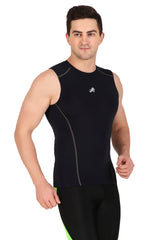
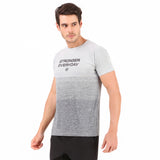
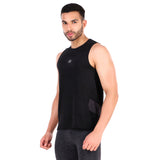
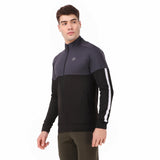
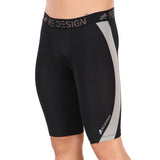
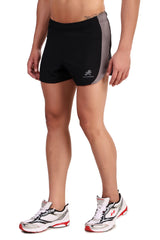
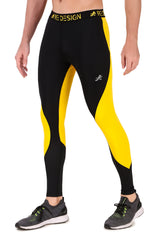

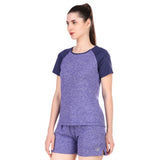
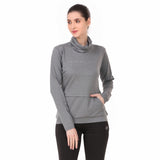
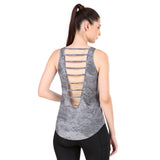
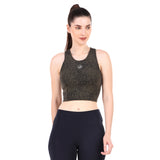
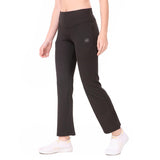
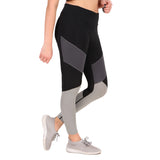
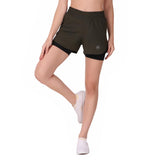



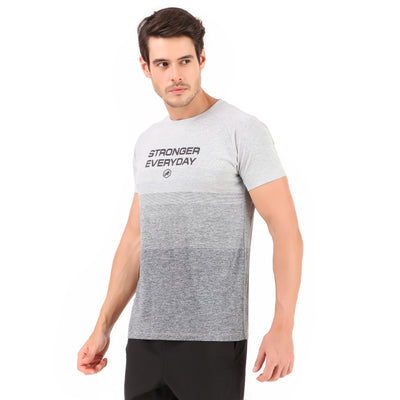
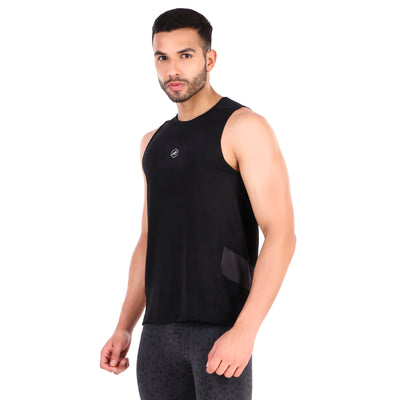
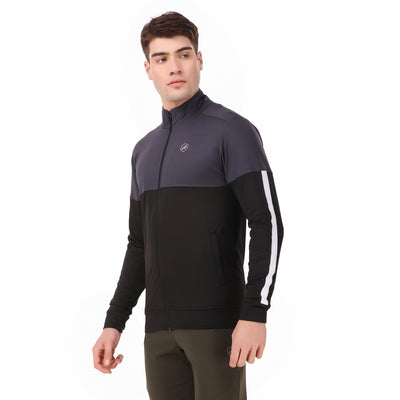
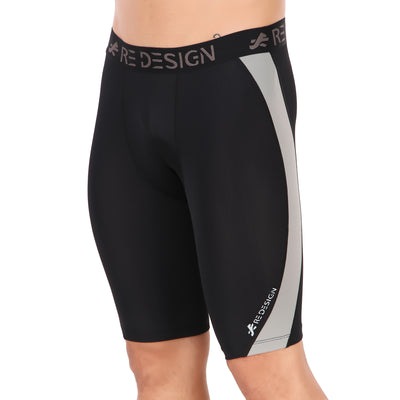
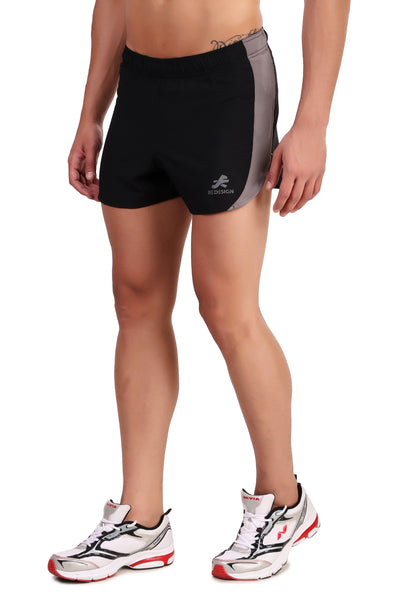
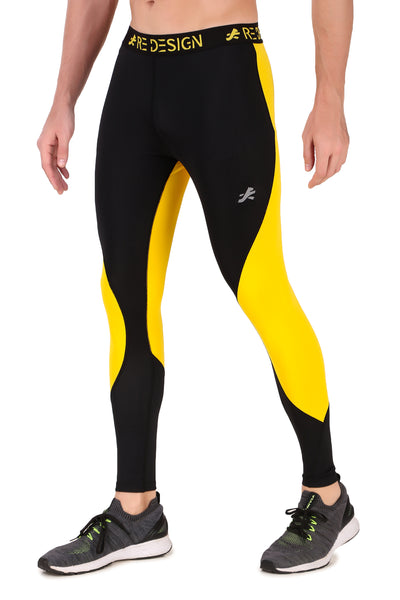
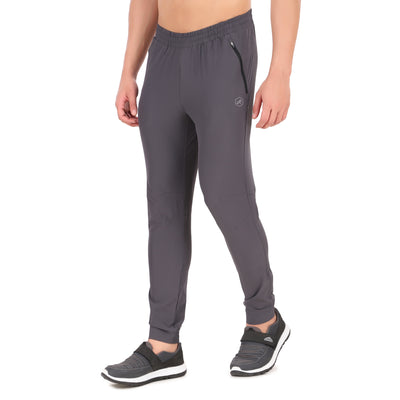

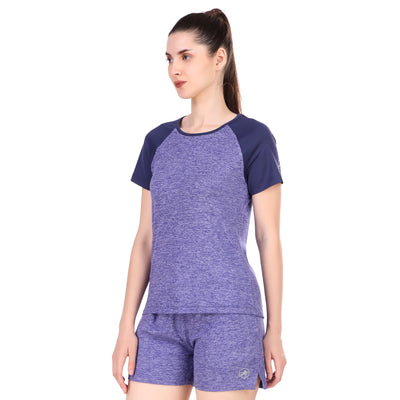
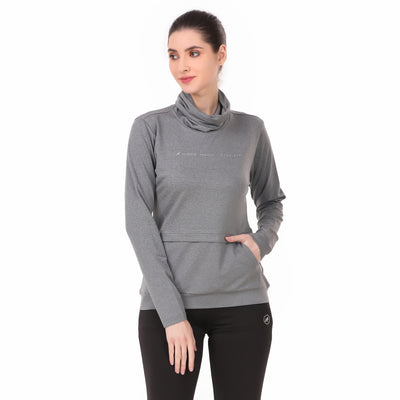
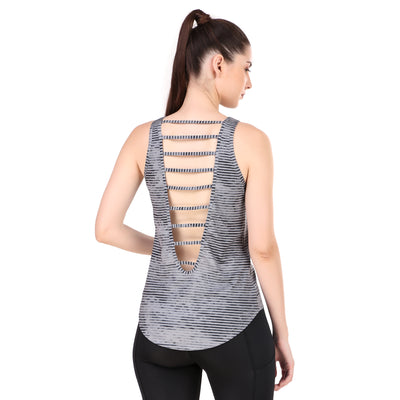
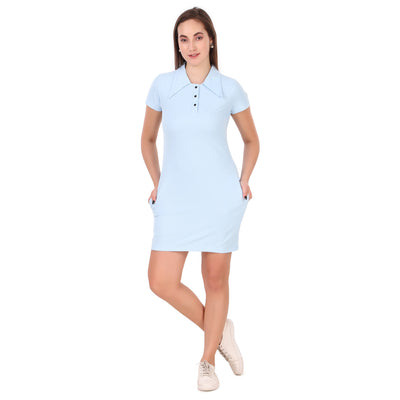
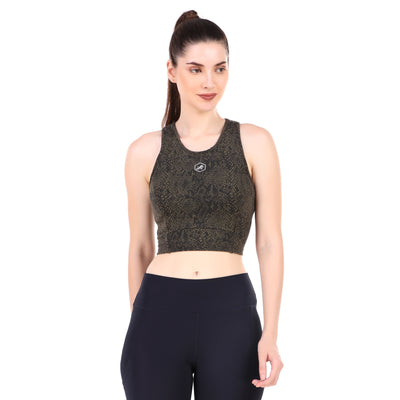
Choosing a compression t shirt in summer heat india often sounds counterintuitive to athletes facing 42°C afternoons in Delhi or sweltering humidity in Chennai. The initial assumption is simple: wrapping your torso in a skin-tight synthetic layer must trap heat, block air, and cause unbearable heat rashes. However, human thermoregulation and textile physics reveal a different reality. When you exercise in peak tropical heat, your body relies almost entirely on the evaporation of sweat to release thermal energy. A properly fitted technical compression top acts as a continuous conduit, pulling liquid sweat off your skin and spreading it across a wide outer surface area where ambient air can vaporize it. Instead of suffocating under heavy, sweat-soaked cotton that sticks like wet parchment, athletes who train in high-performance synthetics experience steady moisture dispersal, lighter apparel, and zero fabric friction.
The Intuitive Fear: Wearing a Compression T Shirt in Summer Heat India
Walk into any local gym in May—whether an underground basement facility in Janakpuri or a rooftop fitness studio in Ahmedabad—and you will hear the same question: does compression make you hot? The fear stems from our everyday experience with winter garments. Traditional winter thermals keep us warm because their thick, brushed fabric traps microscopic pockets of still air, creating an insulating barrier against cold winds. Because compression tops fit tightly against the torso, many gym-goers assume they function the same way, locking in metabolic heat until your skin feels on fire.
This fear overlooks the fundamental difference between thermal insulation and technical compression. Summer compression garments are knit from ultra-thin, smooth synthetic yarns designed without dead-air pockets. Rather than trapping heat, the fabric maintains continuous surface contact with your epidermis. In hot climates, sweat that pools on the skin without evaporating acts as an insulative liquid barrier. By drawing that fluid away instantaneously, the garment facilitates continuous heat exchange.
Sports scientists have investigated this dynamic extensively. Heat-stress research has examined upper-body compression garments during exercise in 40°C heat. The researchers noted that while thick or poorly ventilated garments can increase cardiovascular strain and thermal perception if ventilation is restricted, lightweight single-layer garments that optimize moisture movement prevent the suffocating dampness associated with heavy civilian clothing. In short: compression does not heat your body; poor fabric selection does. When evaluating a compression t shirt in summer heat india, selecting the right fit around the chest and armpits is critical to maintaining unrestricted airflow.
The Science of Evaporative Cooling: How Synthetic Capillary Channels Chill Skin
To understand why technical activewear outperforms bare skin or loose apparel in tropical heat, you have to look at the physics of sweating. Sweating alone does not cool your body. If sweat simply rolls off your chest and drips onto the gym rubber floor, you lose precious hydration and electrolytes without losing heat. Cooling occurs only through the latent heat of vaporization: as liquid water transitions into water vapor, it absorbs approximately 2,427 Joules of thermal energy per gram of moisture directly from your skin.
In an Indian summer, the air is frequently still, hot, and dry in the north, or thick with moisture along the coasts. Loose t-shirts billow away from your body, leaving large patches of pooled sweat that cannot efficiently evaporate. High-grade synthetic fibers—specifically engineered polyester and nylon polymers—are inherently hydrophobic, meaning their individual filaments do not absorb water into their internal structure. Instead, textile manufacturers extrude these fibers with microscopic grooved cross-sections, creating narrow capillary channels.
Through capillary action, liquid sweat is drawn upward through the channels from your skin to the outer face of the garment. Once on the exterior surface, the sweat spreads over an area three to four times larger than the original sweat droplet. This dramatic increase in surface area exposes the moisture to moving ambient air, accelerating evaporation and creating a perceptible cooling effect against your torso. This explains how cooling compression shirts function mechanically in hot environments. While compression research is mixed—studies suggest that compression garments may not significantly lower core internal body temperature during intense endurance exertion compared to bare skin—they consistently improve subjective comfort, reduce skin wetness sensations, and keep your upper body remarkably light throughout an exhausting workout.
The Cotton Trap: Why Heavy, Wet Cotton Tees Trap Heat Against Your Body
Despite decades of textile innovation, millions of Indian gym-goers still train in oversized 100% cotton t-shirts. Cotton is celebrated for casual lounge comfort, but under heavy physical exertion, it becomes a liability. Cotton fibers are composed of hydrophilic cellulose chains with hollow internal lumens. Instead of transporting moisture, cotton greedily absorbs liquid, holding up to 25 times its dry weight in water.
During a 45-minute training session in an unconditioned gym in Delhi or Jaipur, an athlete can easily produce 500 to 800 milliliters of sweat. A standard cotton t-shirt weighing 160 grams dry quickly absorbs 400 grams of moisture. As the fibers saturate, they swell shut, collapsing the porous spaces between the yarns. Airflow through the garment drops to near zero.
The consequences of this saturation are disastrous for summer training:
- The Wet Blanket Effect: The soaked, heavy cotton clings tightly to your chest and back, creating an occlusive microclimate of 100% relative humidity. Heat cannot escape through radiation or convection, making your body feel hotter and more fatigued.
- Weight and Drag: A sweat-drenched cotton shirt stretches, loses structural integrity, and sags toward your hips, adding noticeable dead weight during pull-ups, box jumps, and sprints.
- Post-Workout Chills: Once you step out of the gym into a cooled car or an air-conditioned metro station, the cold, saturated cotton remains wet against your skin for hours, triggering rapid heat loss and muscle stiffness.
Second-Skin Friction Defense: Preventing Underarm and Nipple Chafing in Peak Sweat
When ambient temperatures cross 38°C, sweat rate increases dramatically, introducing a painful mechanical complication: severe chafing. Human perspiration is not pure water; it carries dissolved mineral salts, predominantly sodium chloride. During long workouts, moisture partially evaporates, leaving microscopic, sharp salt crystals deposited across your skin.
When you wear a loose-fitting t-shirt, the fabric slides across your skin with every step, arm swing, and torso rotation. As the fabric becomes wet with sweat, its coefficient of friction rises significantly. The combination of coarse wet fabric, repetitive sliding motion, and sharp salt crystals acts like sandpaper on delicate areas, specifically the nipples, inner armpits, and latissimus folds. Long-distance runners training for the Mumbai Marathon or Delhi Half Marathon know this agony well: within 10 kilometers, loose wet tees can cause raw, bleeding abrasions.
A properly fitted compression top acts as a protective second skin. Because the elastic tension holds the fabric firmly against your body, there is zero relative movement between the garment and your epidermis. Any friction generated by arm swings or gym benches occurs entirely between the smooth outer face of the compression shirt and external surfaces. By eliminating internal shearing forces, compression gear shields your skin barrier even during your sweatiest, highest-volume summer sessions.
Full Sleeve vs. Half Sleeve vs. Cut Sleeve: Choosing Your Summer Armor
Selecting the right sleeve length is essential when tailoring your gear to specific Indian summer environments. While personal aesthetic preference plays a role, functional environmental factors—such as sun exposure, air circulation, and training venue—should dictate your choice.
Half Sleeve Compression Tops
Half sleeve designs represent the most versatile choice for the majority of Indian athletes. Covering the shoulders, upper arms, and chest while leaving the forearms bare, a half sleeve top provides comprehensive core support and friction protection without restricting forearm cooling. It is ideally suited for commercial gym training, high-intensity interval training (HIIT), indoor badminton, and evening running. Athletes can explore men's short sleeve compression t-shirts and women's short sleeve compression tops built with tension-fit synthetic knits that maintain snug contact across the torso.
Cut Sleeve and Sleeveless Compression Tops
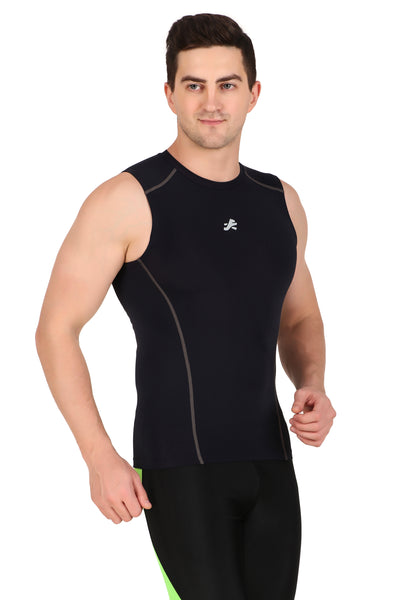
When training inside non-AC akhadas, garage gyms, or cramped weight rooms where ambient humidity and heat peak simultaneously, sleeveless cuts are unmatched. Eliminating fabric around the shoulders and axillary regions maximizes ventilation in the high-heat underarm area, where major lymph nodes and apocrine sweat glands reside. Powerlifters, bodybuilders, and cross-training athletes frequently opt for men's cut sleeve compression shirts to ensure total rotational freedom during overhead snatches, bench presses, and barbell clean-and-jerks.
Full Sleeve Compression Tops
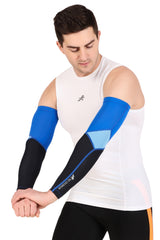
Wearing full sleeves in 40°C heat may seem extreme, but it is standard practice among endurance runners, outdoor cricketers, and road cyclists across India. A long-sleeve synthetic top creates a continuous physical barrier against direct solar radiation. As perspiration travels across the entire length of your arms, ambient breezes create continuous evaporative cooling along your forearms, keeping your skin noticeably cooler than bare skin baking under direct midday sun.
Here is a direct comparison of how different summer workout tops perform in intense heat:
| Feature / Garment | Standard Cotton T-Shirt | Cheap Loose Polyester | Technical Synthetic Compression Top |
|---|---|---|---|
| Moisture Absorption | High (holds up to 25x dry weight) | Low (hydrophobic fibers) | Low (water transported outward via capillaries) |
| Evaporative Surface Area | Poor (pools in saturated zones) | Moderate (hangs loosely away from skin) | High (sweat spreads across entire garment exterior) |
| Skin Friction & Chafing Risk | High (heavy, abrasive when wet) | Moderate (fabric folds cause rubbing) | Minimal (zero garment-on-skin sliding) |
| Sun & Dust Protection | Moderate (sags when wet) | Low to Moderate | High (tight, uniform coverage across skin) |
| Ideal Indian Summer Use Case | Casual indoor lounging only | Low-intensity walking | Intense gym sessions, running, cricket nets |
Sun Exposure Defense: Shielding Forearms During Outdoor Training and Cricket
In northern and central India, summer daytime temperatures frequently exceed 42°C, accompanied by intense ultraviolet (UV) radiation. For cricketers practicing fielding drills in the afternoon, distance runners finishing long Sunday training miles, or open-ground athletes, bare skin exposure carries serious drawbacks. Direct solar radiation heats the cutaneous layer rapidly, increasing thermal discomfort and risking severe sunburn.
Wearing men's long sleeve compression t-shirts provides full-coverage protection from intense sunlight and flying turf dust. When your body perspires during high-output drills, the long sleeve distributes that moisture across your forearms and biceps. As the dry summer wind blows across the wet synthetic fibers, it generates a sustained evaporative chill while physically blocking harsh sunlight from directly warming your skin.
Health Note: While compression garments offer a mechanical layer over the skin, sports compression wear is designed for athletic performance and does not constitute medical compression therapy or certified sun-blocking PPE. If you suffer from chronic skin disorders, heat-induced dermatoses, or circulatory issues, consult a qualified medical professional for personalized clinical guidance.
Managing Body Odor: Choosing Breathable Synthetic Blends Over Cheap Poly
A common complaint among gym-goers in India is that synthetic workout shirts develop a sour, permanent odor after just a few weeks of summer training. This occurs because low-grade virgin polyester features irregular microscopic grooves where skin sebum, dead skin cells, and apocrine sweat compounds settle. Bacteria such as Corynebacterium and Micrococcus thrive in this dark, warm residue, breaking down organic compounds into pungent thioalcohols and fatty acids.
When shopping for a sweat wicking gym t shirt summer athletes should look for high-density, smooth filament yarns. Indian compression and activewear brand ReDesign Sports manufactures its performance garments in India using resilient nylon-spandex and polyester-spandex compression fabrics, priced roughly between Rs. 490 and Rs. 1,500. Quality synthetic blends resist fiber abrasion and release trapped body oils much more efficiently during laundering than coarse, budget synthetics.
To keep your summer workout t shirts india smelling crisp throughout the season, follow this maintenance routine:
- Never Leave Damp Gear in Bags: Leaving a sweat-soaked compression shirt sealed in a dark gym duffle creates an optimal incubation chamber for odor-causing microbes. Air it out or wash it immediately.
- Rinse in Cold Water: Hot water can set protein-based stains and degrade elastane or spandex stretch fibers over time. Always wash activewear in cool or cold tap water.
- Skip Fabric Softeners: Liquid fabric softeners deposit a thin, waxy coating over synthetic fibers. This chemical film clogs the microscopic capillary grooves, completely neutralizing the fabric's ability to pull sweat off your skin.
- Air Dry in the Shade: Synthetic compression fabrics dry exceptionally fast. Hang them indoors or in a shaded balcony with good airflow rather than baking them under direct harsh noon sunlight, which can weaken elastic fibers over time.
Post-Workout Protocol: How to Transition and Cool Down After Intense Summer Sessions
Finishing an intense workout in high heat leaves your cardiovascular and thermoregulatory systems operating at full capacity. While your muscle contractions stop, your metabolic rate and perspiration remain high for several minutes. Managing this post-workout transition properly is vital for comfort and health.
Avoid the temptation to immediately strip off your compression top and sit directly beneath a high-speed ceiling fan or a blast of 18°C air conditioning. Sudden rapid cooling of bare, sweat-drenched skin can cause immediate peripheral vasoconstriction, leading to muscle stiffness and joint discomfort. Instead, spend 5 to 10 minutes performing light walking and gentle dynamic stretches. Your compression top will continue pulling away residual sweat as your body temperature gradually returns toward baseline.
Once your breathing normalizes, remove the damp compression shirt, dry your skin thoroughly with a clean towel, and change into clean, dry cotton lounge wear. Hydration is equally paramount. In extreme Indian heat, athletes lose significant volumes of sodium and potassium alongside water. Rehydrate promptly with water combined with natural electrolyte sources like fresh coconut water or homemade nimbu pani with a pinch of rock salt (kala namak).
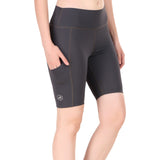
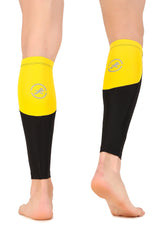
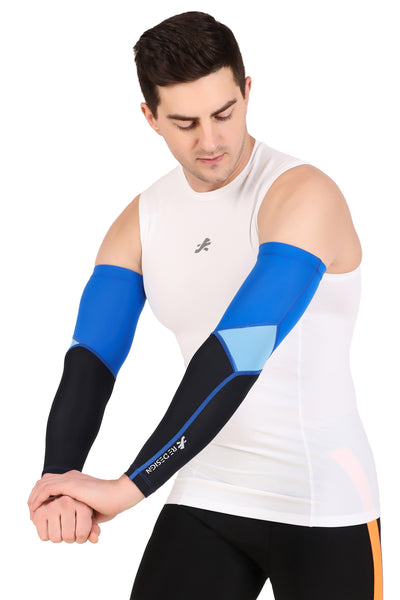
Shop the full range of ReDesign compression wear: t-shirts, shorts, full tights, leggings, arm sleeves and calf sleeves.
Frequently asked questions
Does wearing a compression shirt make you sweat more in summer?
No, wearing a compression shirt does not cause your body to produce more sweat. Your sweat rate is dictated by your internal core temperature, workload, and autonomic nervous system. What changes is how sweat is handled: because compression fabric sits directly against your skin, it immediately absorbs and spreads sweat outward, making you more conscious of moisture movement compared to a loose shirt that hangs away from your body.
Is full sleeve or sleeveless compression better for hot summer workouts?
The right choice depends on your training environment. For indoor gyms, cross-training boxes, and weight training, sleeveless or cut sleeve compression offers superior underarm airflow and unrestricted shoulder movement. For outdoor running, cycling, and cricket practice under direct sunlight, full sleeve compression is often superior because it shields your skin from solar heat while facilitating evaporative cooling along the entire arm.
Why does a synthetic compression shirt feel cooler than a cotton t-shirt?
Cotton fibers absorb and retain moisture like a sponge, holding up to 25 times their dry weight in liquid. Once saturated, cotton collapses, stops air circulation, and traps a layer of hot, humid air against your skin. High-performance synthetic compression fabrics are hydrophobic; they pull sweat away from your skin through capillary action and spread it across the outer fabric surface to evaporate rapidly into moving air, creating an active cooling effect.
Can wearing tight compression shirts in summer cause heat rashes?
Heat rash (miliaria) occurs when sweat ducts become blocked by trapped perspiration, dead skin, or dirt. Quality synthetic compression tops that allow sweat to wick freely actually help keep the skin surface clear. However, wearing damp compression garments for prolonged periods after your workout ends or wearing improperly sized, suffocating gear can contribute to skin irritation. Always change out of damp activewear promptly after training and wash your skin with mild soap.
How do I keep my summer gym shirts smelling fresh after heavy sweating?
To prevent stubborn body odor in synthetic activewear, wash your shirts as soon as possible after workouts. Avoid fabric softeners entirely, as they coat synthetic fibers in a waxy residue that traps bacteria and blocks moisture wicking. Use a sports-specific liquid detergent or add a tablespoon of white vinegar to the rinse cycle, and air dry your garments in a well-ventilated, shaded space.
Ready to stay cool, focused, and free from friction during the hottest Indian months? Indian compression brand ReDesign Sports delivers Made in India performance wear crafted from durable nylon-spandex and polyester-spandex compression fabrics, priced roughly between Rs. 490 and Rs. 1,500. Explore the range today and take advantage of free shipping on orders over Rs. 500, a 15% discount automatically applied at checkout, and an easy 7-day return and exchange policy.