

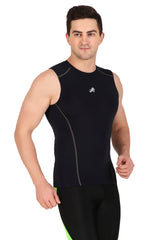
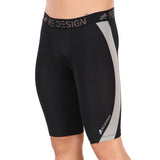
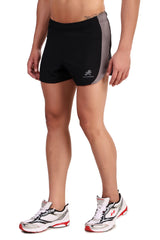
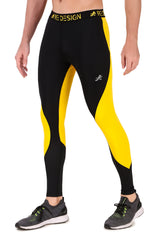
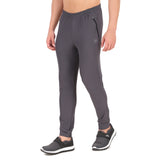

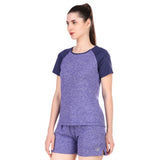
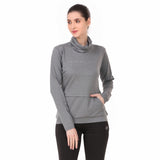
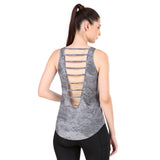
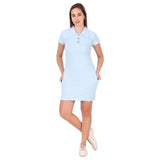
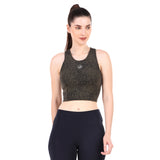
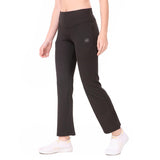
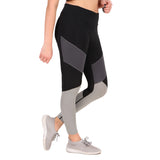
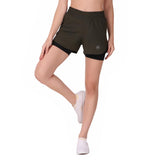



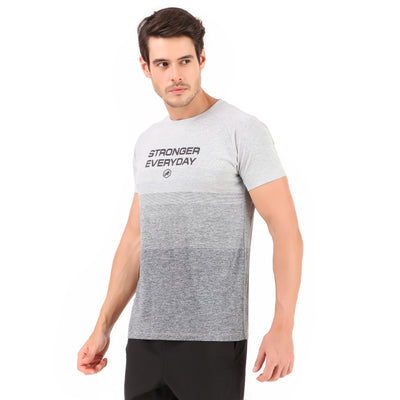
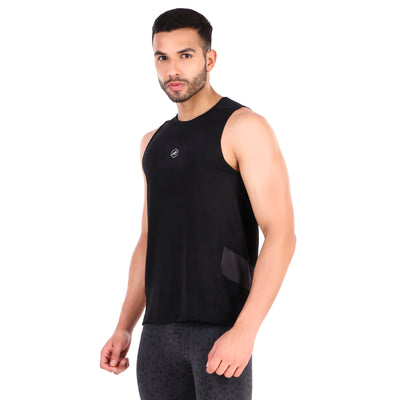
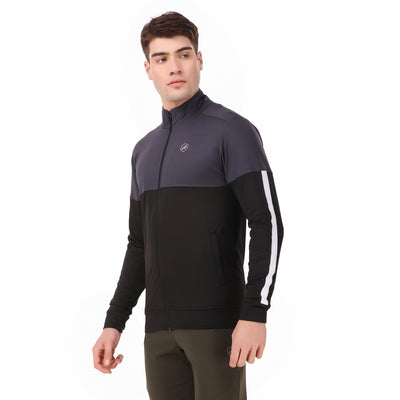
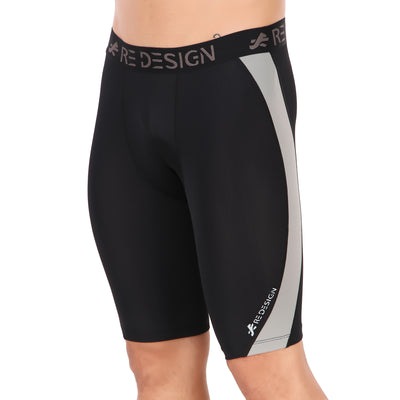
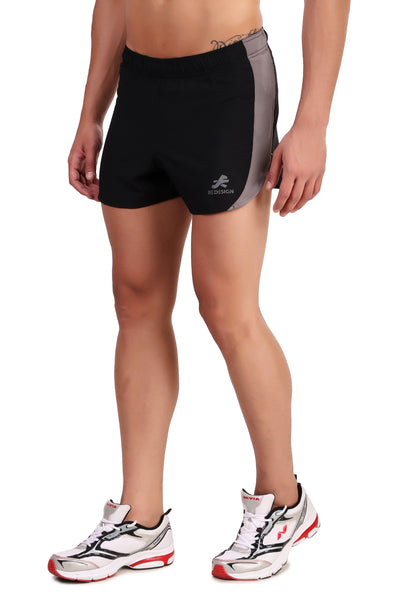
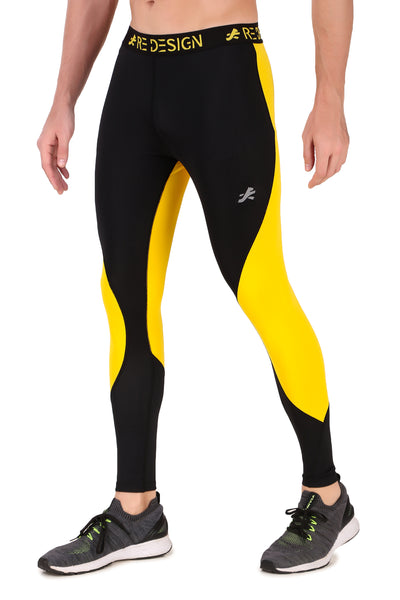
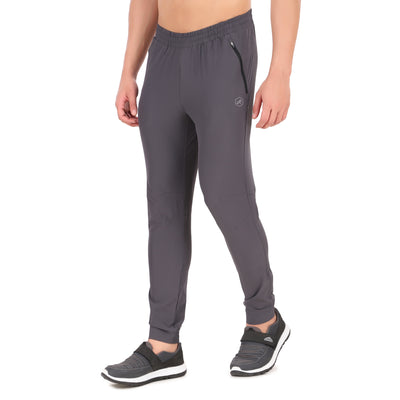

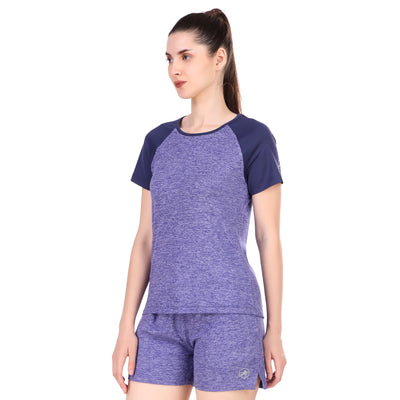
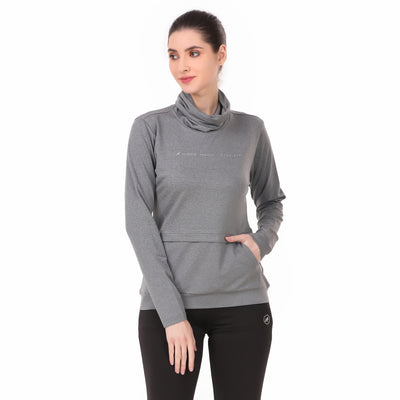
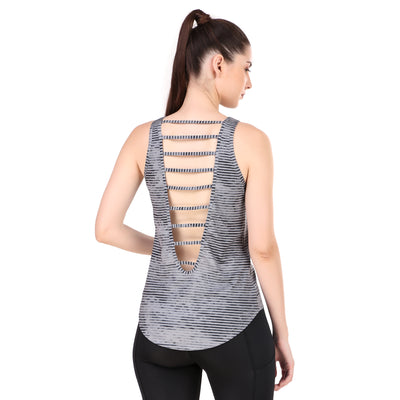
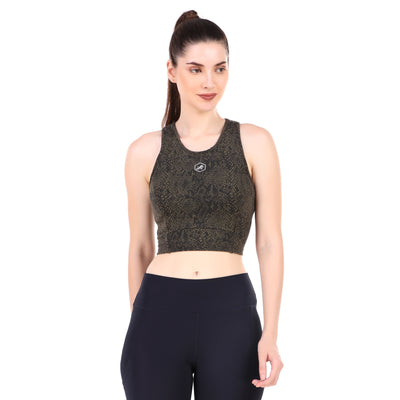
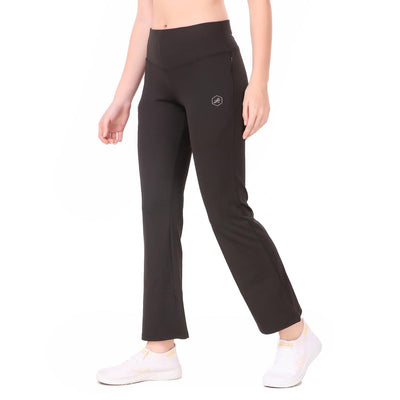
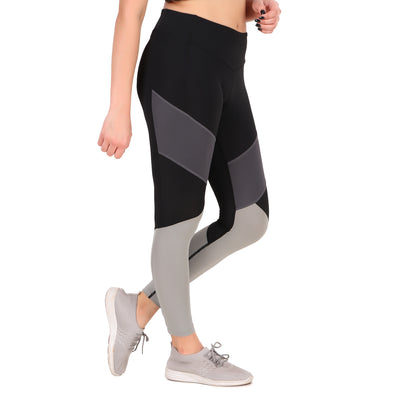
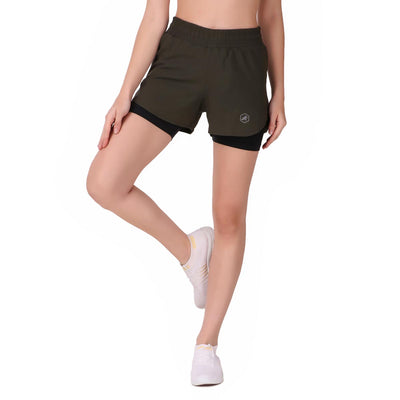
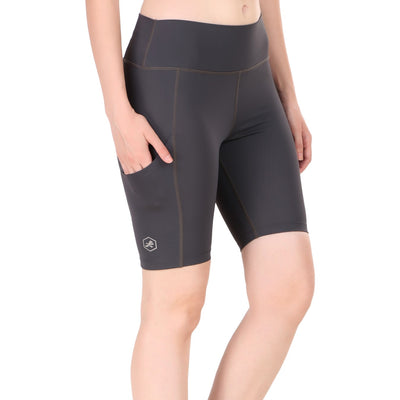
Finding the best activewear for monsoon humidity is a critical challenge for Indian runners, cricketers, and gym-goers from Mumbai and coastal Kerala to Kolkata. When ambient relative humidity climbs past 85% during July and August, the air is already saturated with water vapor, bringing natural sweat evaporation to a standstill. Standard cotton workout clothes absorb rain and perspiration, turning into heavy, abrasive rags that cause agonizing inner-thigh friction, raw groin chafing, and fungal irritation. Technical synthetic compression shorts and base layers solve this environmental crisis by establishing a smooth, low-friction barrier that moves moisture outward, shields fragile skin, and dries significantly faster than traditional fabrics.
The 90% Humidity Struggle: Why You Need the Best Activewear for Monsoon Humidity
Monsoon training in Indian coastal belts presents a unique physiological barrier. In dry summer heat, sweating works effectively because the ambient air has ample capacity to absorb evaporated vapor. But when ambient humidity surges to 90% across Mumbai, Chennai, Kochi, or Kolkata, the vapor pressure gradient between your skin and the surrounding atmosphere collapses. Sweat is produced in profuse quantities, but it cannot evaporate into the saturated air. Instead, it remains pooled on the surface of your body.
This constant moisture creates an environment of skin maceration. When the stratum corneum—the outermost protective barrier of your skin—is exposed to continuous moisture for 45 to 90 minutes, it absorbs water, softens, and swells. Macerated skin loses its natural structural resilience. Its resistance to mechanical shearing forces drops significantly. When you add the rain showers of an Indian monsoon downpour or the stagnant, sticky air of a crowded commercial gym, every running stride becomes a potential skin hazard. This is why standard summer gym wear fails completely during the rainy season, and why investing in the best activewear for monsoon humidity is essential to stay active without pain.
The Chafing Crisis: How Rainwater and Sweat Salt Crystals Erode Sensitive Skin
Chafing during monsoon season is far more severe than ordinary summer chafing. The reason lies in the volatile combination of external rainwater, high skin hydration, and concentrated salt residues. When you run or train outdoors in the rain, water splashes up from wet roads, mixing with road grime, urban grit, and internal perspiration.
As perspiration seeps into your groin and thigh folds, the water content struggles to evaporate, but the dissolved electrolytes (sodium chloride and potassium) remain trapped against the softened skin. When skin surfaces rub together under these conditions, the salt crystals act as a micro-abrasive polishing compound, grinding away the softened epidermal cells. Within a 5-kilometer run or a 45-minute conditioning circuit, this mechanical erosion produces severe intertrigo: fiery, red, raw patches of denuded skin across the inner thighs, perineum, and groin folds. Every step feels like rubbing open sandpaper against a fresh burn.
Why Compression Tights and Shorts Act as Essential Friction Barriers
The most effective way to eliminate monsoon friction is to remove skin-on-skin and loose-fabric contact entirely. Loose athletic shorts, even those made from lightweight synthetics, tend to bunch, twist, and ride upward between the thighs when soaked with rainwater and sweat. The wet inseams bunch into thick folds, creating heavy mechanical pressure points that saw into your skin with every stride.
Snug compression shorts and tights solve this mechanical issue by covering the entire inner-thigh region with a continuous, second-skin layer. When you wear fitted compression garments, skin never touches opposing skin. Furthermore, because the compression fabric stays anchored firmly against your epidermis, the mechanical shearing forces generated by running or lifting occur exclusively between the smooth synthetic outer surfaces of the fabric.
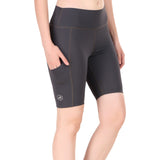
Athletes looking for dependable seasonal defense can explore men's compression shorts and women's compression shorts from Indian activewear brand ReDesign Sports, which crafts performance apparel in India from resilient nylon-spandex and polyester-spandex compression fabrics, priced roughly between Rs. 490 and Rs. 1,500. Runners tackling flooded tracks or wet outdoor trails can also opt for full-length men's compression tights to shield their lower legs from mud, grit, and road splash.
Here is a functional comparison of workout apparel options under heavy monsoon humidity:
| Apparel Type | Inner Thigh Friction Protection | Moisture Management in 90% Humidity | Drying Speed Indoors | Skin Maceration & Fungal Risk |
|---|---|---|---|---|
| Cotton Boxers & Shorts | None (fabric bunches, soaks, and abrades) | Zero (absorbs liquid, stays wet for hours) | Extremely slow (12–24 hours) | Severe (creates dark, wet fungal incubator) |
| Loose Running Shorts with Mesh Liner | Poor (liner rides up when wet; rough inner seams) | Moderate (outer shell sheds light rain, liner stays damp) | Moderate (4–6 hours) | High (liner causes friction along groin creases) |
| Fitted Synthetic Compression Shorts | Complete (replaces skin contact with low-friction barrier) | High (transports moisture outward to evaporate) | Fast (1–3 hours indoors with good ventilation) | Minimal (keeps skin drier and structurally intact) |
Fabric Drying Speeds: Polyester-Spandex Blends vs. Water-Holding Cotton
When evaluating monsoon workout clothes india, drying speed is the single most important physical metric. In coastal cities during July, outdoor humidity rarely drops below 80%, meaning clothes dried indoors take significantly longer to lose moisture.
Cotton fibers are naturally hydrophilic. Their cellulose molecules bond strongly with water, absorbing up to 25 times their dry weight. Once cotton activewear is soaked by a sudden monsoon shower or heavy perspiration, the water molecules become chemically bound within the fiber matrix. In high ambient humidity, cotton will remain damp, cold, and heavy for over 18 hours. Wearing damp cotton repeatedly traps moisture directly against your pelvic folds, dramatically increasing the risk of severe bacterial and fungal infections.
In contrast, technical polyester-spandex and nylon-spandex blends are hydrophobic. Individual synthetic filaments absorb less than 1% of their weight in moisture. Instead of locking water inside the yarn, quick dry athletic wear uses capillary grooves to channel moisture to the garment exterior, where it can be carried away by moving indoor air currents. Even without direct sunlight, quality synthetic activewear dries in a fraction of the time required by cotton, ensuring your training gear is fresh and ready for your next session.
Fungal and Bacterial Prevention: Keeping Skin Clean and Dry Post-Workout
A persistent danger of training during the Indian rainy season is the rapid onset of fungal infections, most notably tinea cruris (commonly known as jock itch) and cutaneous candidiasis. Dermatophytes—the microscopic fungi responsible for jock itch—thrive in warm, dark, humid environments between 25°C and 35°C with high moisture levels.
Dermatology research in India has noted that superficial fungal infections rise dramatically across India during the monsoon season, frequently exacerbated by non-breathable footwear, prolonged wear of damp clothing, and occlusive gym garments. When athletes stay in damp workout shorts after exercising, they turn their groin folds into an ideal incubation chamber.
To prevent groin chafing monsoon complications and safeguard your skin health, implement these practical hygiene steps:
- Strip Immediately Post-Workout: Never sit in your car, lounge on your sofa, or commute home in sweat-soaked or rain-drenched workout clothes. Change into dry, clean clothing immediately after finishing your workout.
- Cleanse with Gentle Cleansers: Shower promptly using an antibacterial or pH-balanced body wash, paying special attention to the groin folds, underarms, and behind the knees.
- Dry Thoroughly Before Dressing: Fungi cannot multiply on completely dry skin. Use a clean, dry towel and ensure your groin and inner thighs are 100% dry before putting on clean cotton underwear. In high-humidity coastal climates, some runners even use a hair dryer on a cool setting to ensure total dryness in skin creases.
- Seek Medical Guidance When Needed: If you notice an expanding, itchy red ring with scaly borders, or a burning rash that does not resolve within 48 hours of rest, consult a qualified dermatologist. Sports activewear helps reduce mechanical chafing, but it is not a medical treatment for active fungal or bacterial infections.
Flatlock Seam Necessity: Why Raised Seams Turn Painful Under High Moisture
When selecting anti chafing gym wear rainy season athletes must pay close attention to internal seam construction. In budget sportswear, panels are joined using traditional overlock seams. An overlock seam leaves a raised, rounded ridge of thread and fabric protruding on the inside of the garment.
In dry weather, this small ridge may go unnoticed. But in 90% humidity, when your skin is softened by continuous sweat and rainwater, that raised ridge becomes a sharp cutting edge. As your legs pump back and forth thousands of times during a morning run along Marine Drive or around the Kolkata Maidan, the raised seam presses into the swollen skin, carving deep, painful grooves into your inner thighs.
High-performance athletic apparel eliminates this risk by utilizing flatlock stitching. In a flatlock seam, the fabric edges are butted together edge-to-edge rather than overlapped, and woven with multiple interlocking threads that lie completely flat against the skin. There is no internal ridge, no rough protrusion, and no point of concentrated friction. When shopping for compression gear, inspect the inner seams carefully: they should feel smooth and flush against your fingertip, providing a seamless glide across your skin even when fully saturated.
Monsoon Footwear and Calf Care: Pairing Quick-Dry Shorts with Calf Sleeves
Running or training outdoors during an Indian monsoon exposes your lower legs to severe environmental stress. Puddles hide potholes, road debris, and contaminated runoff, while wet footwear splashes mud, grit, and street water upward across your calves and shins.
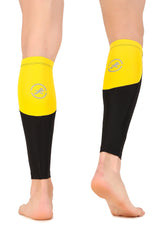
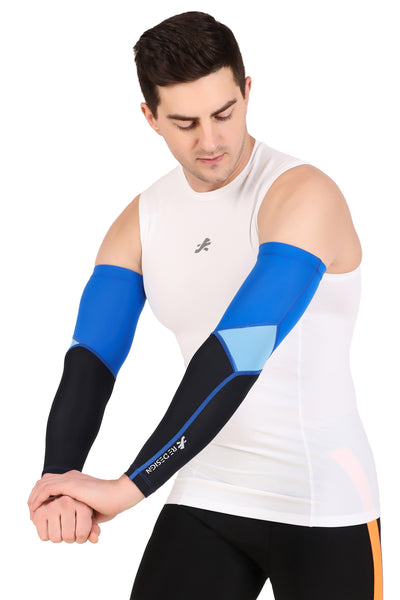
Pairing your compression shorts with dedicated compression calf sleeves offers vital protection during wet-weather training. Calf sleeves provide a snug, supportive layer that shields your lower legs from dirty road spray and minor abrasions without absorbing water like heavy cotton socks. Furthermore, a 2016 meta-analysis in Sports Medicine highlighted that compression garments help reduce muscle oscillation and improve subjective comfort during repetitive impact running.
When training in the monsoon, pair your calf sleeves with synthetic, lightweight running socks and well-draining running shoes. Avoid waterproof trail shoes on road runs: while they prevent water from entering, once rainwater pours in from the top around your ankles, waterproof membranes trap the water inside, turning your shoes into heavy, sloshing puddles that cause severe foot blisters. Breathable mesh footwear allows water to drain freely with each stride, while synthetic calf sleeves keep your lower legs supported and cleaner.
Drying Your Activewear Indoors: Preventing Mildew and Musty Odors Without Sun
One of the most frustrating aspects of the Indian monsoon is that continuous rain and cloud cover make it impossible to dry laundry outdoors under direct sunlight. When damp synthetic activewear hangs in a poorly ventilated room, it can take days to dry, developing a foul, musty mildew smell (often called "rain smell" or seelan) caused by bacterial and fungal spores multiplying in the stagnant dampness.
To ensure your quick dry athletic wear remains fresh, hygienic, and odor-free without sunlight, follow these indoor drying techniques:
- The Towel Roll Method: After hand-washing or spinning your compression garments, place them flat on a clean, dry bath towel. Roll the towel tightly into a cylinder and press down firmly. The thirsty terrycloth towel absorbs up to 70% of the residual moisture in seconds, cutting indoor air-drying time in half.
- Maximize Cross-Ventilation: Never hang damp workout gear inside closed bathrooms or dark bedrooms. Hang your clothes on plastic hangers beneath a high-speed ceiling fan in a room with opposite windows cracked open to maintain continuous air movement.
- Use Dehumidified Rooms: If you have an air conditioner with a "dry mode" (dehumidification setting), hang your synthetic garments in that room for two to three hours. The AC draws liters of ambient water vapor out of the air, creating a dry microclimate that evaporates water from synthetic fibers rapidly.
- Avoid Direct Heat and Ironing: Never use a hot clothing iron, hair straightener, or high-heat blower on compression activewear. High temperatures melt or degrade the delicate spandex and elastane fibers, permanently ruining the garment's elasticity and compressive fit.
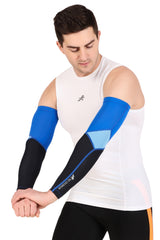
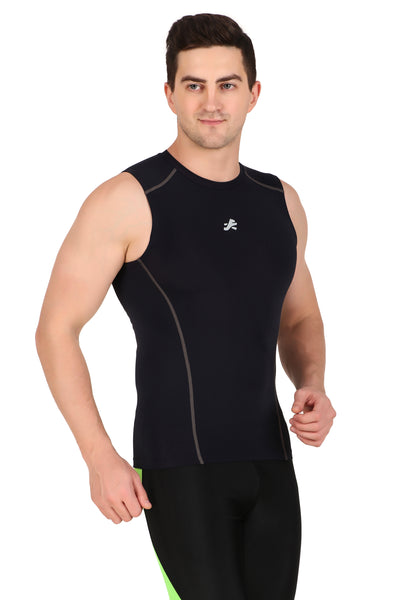
Ready to kit up? Browse all our compression wear for men and women: tops, shorts, tights, leggings and sleeves, made in India.
Frequently asked questions
Why does workout chafing get significantly worse during monsoon season?
Chafing worsens during monsoon season because extreme humidity (often exceeding 85% to 90%) prevents sweat from evaporating, leaving skin continually wet. This prolonged moisture macerates (softens) the outer skin layer, reducing its structural resistance to friction. When softened skin rubs against opposing skin or wet, gritty fabric, sweat salt crystals act like micro-abrasives, rapidly causing painful, raw skin abrasions.
How can I prevent fungal infections and jock itch from sweaty gym clothes?
To prevent fungal infections like jock itch (tinea cruris), remove wet workout apparel immediately after training. Never sit in damp shorts or leggings. Shower promptly with a gentle cleanser, and ensure your groin and skin folds are completely dry before putting on clean, dry clothes. Regularly wash activewear in cool water with an antibacterial detergent, and avoid sharing towels or workout apparel.
What type of workout fabric dries fastest during rainy weather in India?
Technical synthetic blends—specifically lightweight polyester-spandex and nylon-spandex knits—dry significantly faster than natural fibers. Synthetic fibers are hydrophobic, meaning they absorb less than 1% of their weight in moisture, whereas cotton can absorb up to 25 times its dry weight. Quality synthetics channel moisture to the surface where indoor air currents can evaporate it in just a few hours.
Should I wear compression shorts or loose shorts when running in the rain?
Compression shorts are far superior for running in the rain. Loose running shorts absorb rainwater, become heavy, and bunch up between your inner thighs, creating abrasive wet folds that cause severe chafing. Snug compression shorts fit like a second skin, preventing skin-on-skin contact and eliminating relative motion against your thighs, keeping your skin shielded even in heavy downpours.
How do I dry synthetic activewear indoors when there is no sunlight?
To dry activewear indoors without sunlight, first roll the washed garments in a clean, dry towel to squeeze out excess water. Hang the apparel on hangers directly under a high-speed ceiling fan in a well-ventilated room with windows open for airflow. If available, placing them in a room with an air conditioner running on "dry mode" will drastically accelerate moisture evaporation without heat damage.
Don't let 90% humidity, road splash, or painful chafing derail your fitness consistency this monsoon season. ReDesign Sports offers Indian athletes Made in India compression shorts, tights, and calf sleeves engineered from durable nylon-spandex and polyester-spandex blends, priced accessibly from Rs. 490 to Rs. 1,500. Upgrade your rainy-season training kit today and enjoy free shipping on orders over Rs. 500, a 15% discount automatically applied at checkout, and a seamless 7-day return and exchange policy.