

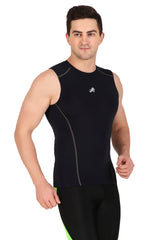





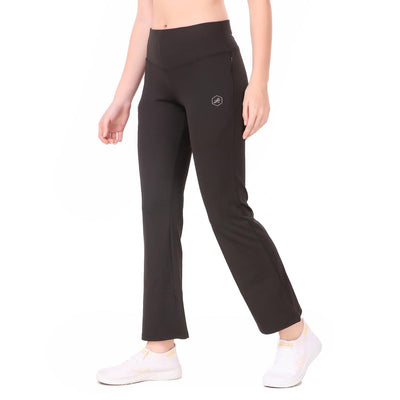
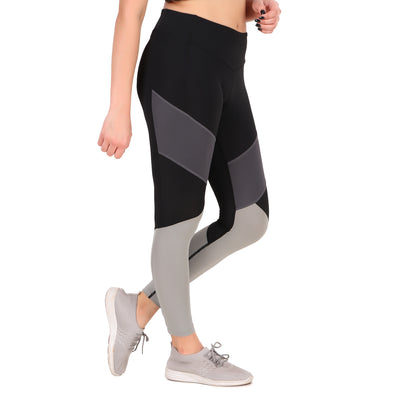
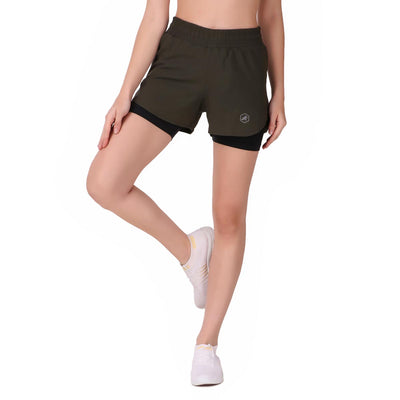
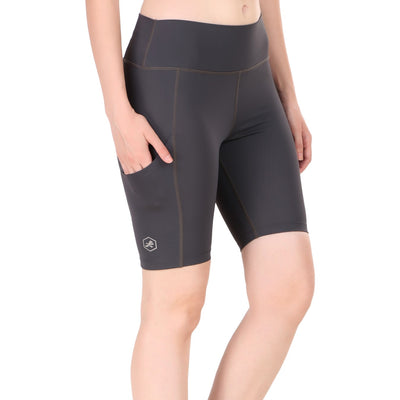
When deciding between cycling compression shorts vs padded bib bottoms for your weekly rides, the answer depends almost entirely on your time in the saddle, your bike geometry, and how you spend your day off the pedals. For beginner and intermediate riders in India navigating 10 km to 20 km daily commutes, weekend leisure spins, or indoor gym spin classes, unpadded compression shorts offer a sleek, versatile, and friction-free barrier without the awkward bulk of a chamois pad. On the other hand, road cyclists clocking 50 km to 100 km endurance centuries on stiff, narrow saddles benefit significantly from the targeted pressure redistribution of a padded bib. Understanding how each garment interacts with your pelvic anatomy and Indian weather conditions ensures you invest in gear that keeps you pedaling comfortably.
The Indian Cycling Boom: From Weekend Commutes to Century Rides
Over the past decade, urban India has witnessed an extraordinary cycling resurgence. In cities like Bengaluru, Pune, Delhi NCR, Hyderabad, and Mumbai, thousands of professionals have dusted off hybrid bicycles and road bikes to escape gridlocked traffic or pursue cardiovascular fitness. From early morning laps around Delhi's Shanti Path and Noida Expressway to weekend group rides climbing Pune's Lavasa hills or navigating Bengaluru's Sarjapur tech corridor, cycling communities are growing rapidly.
However, newcomers to Indian cycling frequently encounter conflicting advice regarding cycling apparel. High-end road cycling forums often insist that any bike ride requires European-style bib shorts featuring thick gel chamois pads that cost anywhere from Rs. 8,000 to Rs. 15,000. For a rider cycling 12 km to an IT park in Whitefield or Hinjewadi, strapping into heavy, suspended bibs feels disproportionate and impractical. Moreover, during sweltering Indian summers where temperatures regularly exceed 38 degrees Celsius, or during the humid monsoon months, thick chamois pads can trap heat and perspiration, turning short rides into sweaty, uncomfortable experiences. This has prompted many urban cyclists to re-examine bike riding compression wear and non-padded alternatives for everyday riding.
Deconstructing the Padded Bib: What Chamois Gel Really Does for Saddle Bones
To choose the right bottom wear, it helps to understand what a padded cycling bib actually does. A cycling bib consists of skin-tight shorts connected to shoulder straps, completely eliminating a traditional elastic waistband. Inside the crotch and seat area sits a chamois, which is a contoured pad made from multi-density foams, open-cell cushions, or medical-grade silicone gel.
The chamois is engineered to solve a specific anatomical problem: pelvic bone pressure. When you sit on a traditional road bike saddle, the bulk of your upper body weight rests on two small bony prominences called the ischial tuberosities, commonly referred to as your sit bones. A 2003 study published in Medicine & Science in Sports & Exercise by Bressel and Larson evaluated bicycle seat designs and confirmed that narrow racing saddles generate concentrated peak pressure on the ischial tuberosities and surrounding perineal tissues. The chamois pad cushions these contact points, dispersing vertical force over a broader surface area and dampening high-frequency road vibrations transmitted through a rigid carbon or aluminium frame.
The shoulder straps on a bib short ensure that the pad remains glued to your pelvic floor. In an aggressive, forward-leaning road cycling posture, an elastic waistband can dig uncomfortably into the diaphragm and lower abdomen. Bib straps distribute tension over the shoulders, keeping the chamois from migrating forward or backward as you shift from sitting in the saddle to standing on steep climbs. When comparing padded shorts vs compression tights or non-padded shorts, the chamois is strictly a mechanical cushion for your pelvic contact points; it does not provide active compression to the leg muscles themselves.
Deconstructing Compression Shorts: Quad Containment and Anti-Friction Glides
While padded bibs focus on cushioning the sit bones, compression shorts are engineered around muscular stability and skin protection. Many new riders ask: can you wear compression shorts for cycling? The short answer is yes, particularly when your rides involve moderate distances, cross-training, or daily commuting.
Compression shorts are constructed from elastomeric synthetic fabrics designed to hug the quadriceps, hamstrings, and glutes firmly. During cycling, your legs undergo thousands of repetitive revolutions at cadences typically ranging between 70 and 95 RPM. While cycling lacks the jarring ground-reaction impacts of distance running, the rapid contraction and extension of the quadriceps can still produce muscular fatigue over sustained efforts.
A 2016 systematic review and meta-analysis published in Physiology & Behavior by Marqués-Jiménez and colleagues evaluated the physiological effects of compression garments during cycling and running. The researchers observed that while compression garments do not significantly alter metabolic markers or oxygen uptake during submaximal cycling, they provide noticeable benefits in subjective comfort and muscle soreness perception post-exercise.
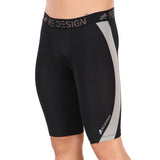
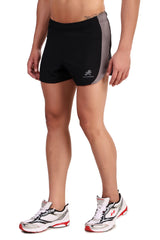
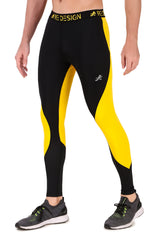
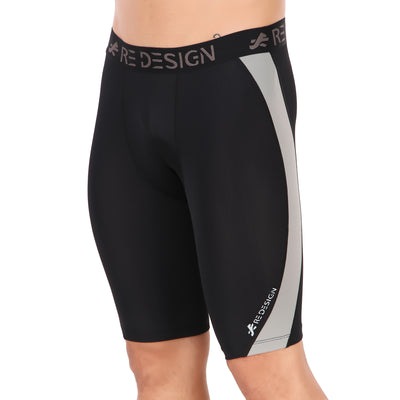
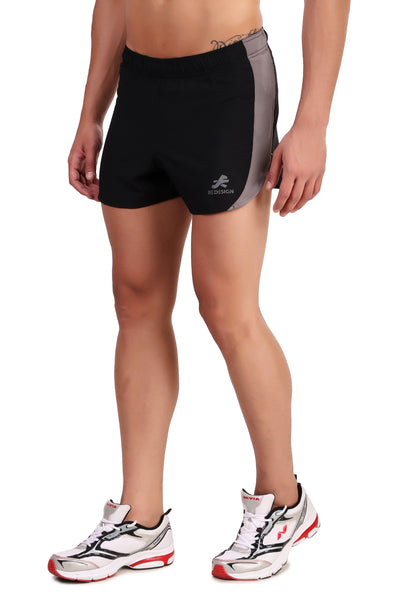
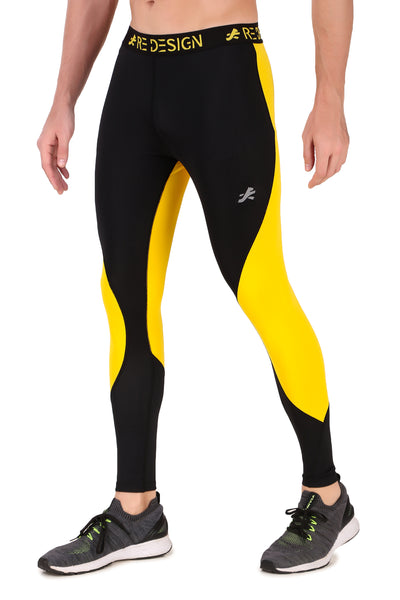
Beyond muscle containment, the primary benefit of compression shorts on a bicycle is friction management. When you pedal, your inner thighs rub continuously against each other and against the outer flanks of the bicycle saddle. Compression shorts provide a smooth, low-friction synthetic barrier that eliminates skin-on-skin rubbing. ReDesign Sports, an Indian compression and activewear brand based in Mangolpuri, Delhi, crafts multi-sport athletic wear Made in India using durable nylon-spandex and polyester-spandex compression fabrics. These garments provide a snug fit that moves naturally with your pedal stroke without riding up into the groin.
The 25-Kilometer Rule: When Muscle Compression Outperforms Bulky Padding
How do you decide between a padded chamois and non-padded compression shorts? For most recreational cyclists and commuters, the 25-Kilometer Rule serves as an effective practical benchmark.
When evaluating cycling compression shorts vs padded bib setups for rides under 25 km (roughly 45 to 75 minutes of continuous riding), non-padded compression gear frequently proves superior. On rides of this duration, healthy sit bones rarely experience the deep tissue bruising or nerve compression that plagues multi-hour century rides, provided your saddle height and tilt are set correctly.
Under 25 kilometres, the drawbacks of a thick chamois often outweigh its cushioning benefits:
- Thermal buildup: A multi-layered foam chamois acts like an insulator. In typical Indian city conditions with high ambient temperatures, the pad traps groin heat, accelerating sweat production and skin irritation.
- The wet sponge effect: Because a chamois sits directly against the skin, it absorbs sweat. On short rides where you transition directly from your bike to an office desk, coffee shop, or grocery store, sitting on a damp pad is deeply unhygienic.
- Off-bike mobility: Walking into an office, climbing metro stairs, or stopping for errands while wearing a bulky bib short causes an awkward, waddling gait. Compression shorts, by contrast, offer total mobility and look like standard athletic apparel.
Cycling Compression Shorts vs Padded Bib: Performance Comparison
To help you determine which garment fits your riding routine, here is a detailed breakdown of how non-padded compression shorts compare against padded bib shorts across critical performance factors:
| Feature | Non-Padded Compression Shorts | Padded Cycling Bib Shorts |
|---|---|---|
| Primary Function | Muscle containment, quad stabilization, and anti-chafing glide | Ischial tuberosity (sit bone) cushioning and vibration damping |
| Ideal Distance | Rides under 25 km, commutes, and indoor spin sessions | Endurance rides exceeding 40 km to 100+ km |
| Saddle Compatibility | Wider hybrid, commuter, and cushioned fitness saddles | Narrow, stiff road and gravel saddles |
| Off-Bike Usability | Excellent; fully functional for walking, gym workouts, and running | Poor; awkward pad bulk makes walking and lifting uncomfortable |
| Heat & Moisture Control | Fast-drying synthetic surface; does not retain heavy moisture pools | Chamois foam absorbs sweat; requires extended drying time |
| Layering Flexibility | Easily worn solo or layered under casual active shorts | Worn solo or under specialized cycling shells |
| Price Range in India | Roughly Rs. 490 to Rs. 1,500 | Roughly Rs. 3,500 to Rs. 15,000+ for imported models |
Indoor Cycling & Spinning Classes: Why Bulky Bibs Feel Uncomfortable Indoors
Indoor cycling studios and stationary gym spin classes have surged in popularity across Indian metros, with facilities like Cult.fit, Gold's Gym, and independent boutique studios offering high-intensity rhythm cycling sessions. Many new spinners mistakenly believe they need to wear road cycling bibs to class, only to find the experience awkward and uncomfortable.
Stationary indoor bikes present a vastly different biomechanical environment than outdoor road cycling:
- Lack of cooling airflow: Outdoors, forward movement creates constant airflow that evaporates sweat. Indoors, even with industrial fans running, sweat pools rapidly on your skin.
- Saddle width: Gym spinning bikes are equipped with wider, softer saddles than road bicycles to accommodate a wide variety of users. Placing a thick, gel-padded bib short on top of an already cushioned spin saddle creates an unstable, excessively squishy platform. This excess padding can bunch upward into your soft perineal tissue, actually increasing numbness rather than relieving it.
- Constant position changes: Spin classes incorporate frequent jumps, out-of-the-saddle hill climbs, and fast cadence sprints. A bulky chamois can catch on the saddle nose when you transition between standing and seated positions.
Wearing snug cycling base layer shorts or dedicated unpadded compression shorts provides the exact friction protection your inner thighs need against wide spin saddles without trapping excess heat or inhibiting rapid foot speed.
The Hybrid Solution: Wearing Compression Shorts Under Casual Baggies
For everyday urban commuting in India, wearing tight Lycra bib shorts can feel culturally awkward or impractical, particularly when entering workplaces, college campuses, or residential societies. This is where the hybrid layering strategy shines.
Understanding the practical distinctions of cycling compression shorts vs padded bib apparel becomes essential when planning everyday urban commutes across busy Indian streets. Instead of investing in expensive, single-purpose cycling bibs, commuters can wear streamlined compression shorts underneath relaxed cargo shorts, track pants, or casual active shorts.
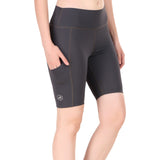
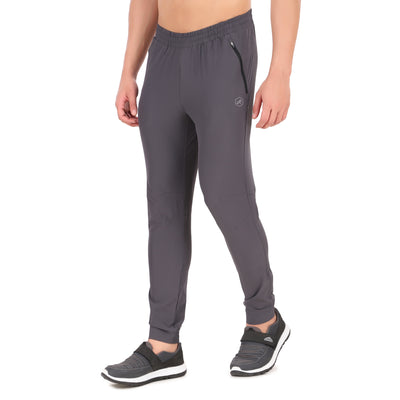
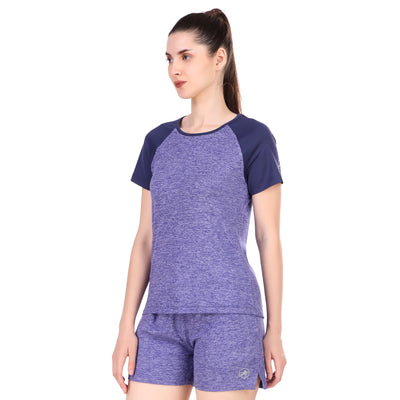
Priced roughly between Rs. 490 and Rs. 1,500, ReDesign Sports offers options across men's compression shorts and women's compression shorts that pair easily under loose everyday bottoms or men's active shorts. Note that ReDesign Sports does not sell padded cycling shorts; its gear is purpose-built for multi-sport training, running, and active lifestyles. By layering unpadded compression underneath loose shorts, you get the twin advantages of zero inner-thigh chafing during your ride and a respectable, casual aesthetic the moment you step off your bicycle.
Preventing Saddle Sores: Managing Groin Perspiration in Indian Heat
One of the most distressing issues faced by cyclists in warm climates is the development of saddle sores. Saddle sores are painful skin lesions, folliculitis (infected hair follicles), or deep friction boils caused by the combination of pressure, heat, skin friction, and bacterial proliferation.
Managing sweat in the groin is critical during Indian summers and humid monsoons:
- The Underwear Rule: Never wear regular cotton underwear underneath cycling shorts or compression shorts. Cotton absorbs sweat like a sponge, remains damp against the skin, and features thick raised seams that press directly into tender groin creases under your body weight. Wear your compression shorts or cycling bottoms commando.
- Immediate hygiene: The moment your ride concludes, strip off your sweaty shorts immediately. Lingering in damp athletic gear provides a fertile breeding ground for bacteria and fungal infections like jock itch (tinea cruris). Wash the area with mild soap and dry thoroughly.
- Laundering habits: Wash your cycling and compression apparel after every single ride. Never air-dry sweaty shorts and wear them a second time. Use cold water and gentle detergent to protect the elastomeric spandex fibers.
Medical note: Sports compression wear is athletic gear designed for comfort and muscular support, not medical compression stockings. If you develop persistent open boils, severe swelling, skin breakdown, or chronic nerve numbness, consult a medical doctor or dermatologist promptly.
The Verdict: How to Choose Based on Your Distance, Saddle Type, and Bike
Ultimately, settling the debate between cycling compression shorts vs padded bib gear comes down to matching your apparel to your saddle time, your bicycle type, and your training goals.
Choose a padded cycling bib short if:
- You ride a dedicated road bike or gravel bike with a firm, minimalist saddle.
- Your typical rides exceed 40 to 50 kilometres or last longer than two hours.
- You maintain an aggressive, low aerodynamic posture where an elastic waistband would dig into your abdomen.
- You are training for organized brevets, century rides, or long-distance charity events.
Choose unpadded compression shorts if:
- You ride a hybrid bicycle, commuter bike, or mountain bike with a moderately cushioned saddle.
- Your typical routes consist of 5 km to 25 km commutes, quick fitness loops, or park spins.
- You attend indoor spinning classes or combine gym strength workouts with quick cardio rides.
- You want the flexibility to wear your shorts under casual baggies and walk comfortably into your destination.
With over 10,0,000 happy customers and recognition in Forbes India and Hindustan Times, ReDesign Sports focuses on functional apparel built for the physical demands of Indian conditions. Testing your riding setup over incremental distances helps you identify the exact balance of cushion, compression, and cooling that keeps your rides enjoyable.
See every style in one place in our compression wear collection, with the size and fit guide.
Frequently asked questions
Can I wear regular gym compression shorts for cycling?
Yes, you can wear regular gym compression shorts for cycling, particularly for rides under 25 kilometres, daily city commutes, and indoor spin classes. They provide excellent friction reduction between your thighs and saddle while keeping your muscles supported. However, for multi-hour road rides on hard, unyielding racing saddles, they lack the targeted pelvic bone cushioning of a dedicated cycling chamois.
Do you need a padded bib short for daily 10 km to 15 km cycle commutes?
No, you do not need a padded bib short for a 10 km to 15 km daily commute. On shorter rides of 30 to 45 minutes, your sit bones do not endure the prolonged pressure required to cause bone bruising. Non-padded compression shorts are generally more practical for commuting because they trap less heat, dry faster, and allow you to walk comfortably without the bulky diaper feeling of a chamois pad.
Why do padded cycling shorts feel uncomfortable when walking or in the gym?
Padded cycling shorts feel uncomfortable off the bike because the chamois is anatomically designed specifically for a seated, forward-bent cycling posture. When you stand upright and walk, the thick foam or gel pad bunches awkwardly between your thighs, forcing an unnatural waddling gait. Furthermore, if you attempt to lift weights or stretch in a gym while wearing a chamois, the pad shifts against your skin and holds unnecessary heat.
Do compression shorts help prevent inner-thigh saddle chafing?
Yes, compression shorts are highly effective at preventing inner-thigh saddle chafing. Chafing occurs when bare skin rubs against itself or against coarse fabric seams moistened by sweat. The snug, slick synthetic fabric of compression shorts forms a protective layer that moves with your skin, allowing your legs to glide smoothly against the saddle wings on every pedal stroke.
Can you wear underwear under cycling compression shorts?
No, you should never wear underwear under cycling compression shorts or padded cycling bibs. Underwear introduces thick cotton seams that dig into your skin under pelvic pressure, causing severe chafing and blisters. Furthermore, cotton retains sweat against your skin, creating a damp environment that breeds saddle sores and bacterial infections. Compression shorts should always be worn commando.
Whether you are pedaling across city streets on your morning commute or pushing through high-cadence intervals on a stationary trainer, choosing comfortable, breathable gear transforms your riding experience. Discover versatile multi-sport apparel from ReDesign Sports, with free shipping on orders over Rs. 500, a 15% discount auto-applied at checkout, and hassle-free returns within 7 days.