

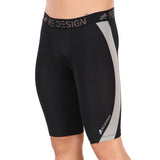
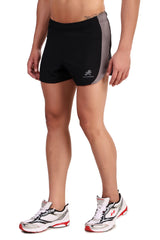
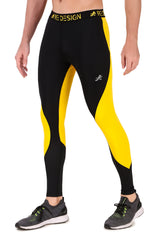

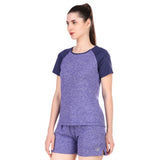
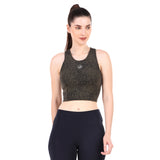
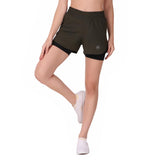
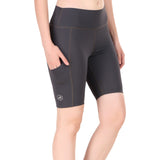




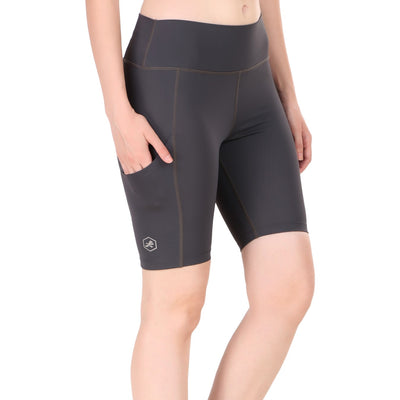
Finding the right compression shorts women gym athletes can rely on requires balancing fabric density, waistband security, and friction-free inner thigh coverage. As temperatures climb across Indian cities, sweltering in thick full-length leggings during heavy deadlift sessions or HIIT classes becomes exhausting. A technical pair of compression shorts delivers the supportive muscle wrap and opacity of high-performance leggings while providing the thermal freedom and ventilation needed for peak summer training. Understanding how inseam lengths, high-rise waistband engineering, and opacity testing work together ensures you choose shorts that stay completely anchored through your deepest squats and lunges.
The Summer Transition: Why Women Are Swapping Full Leggings for Compression Shorts
Training in India presents unique environmental challenges. Between March and July, outdoor temperatures routinely hover between 35 and 44 degrees Celsius across northern and central India, while coastal metros like Mumbai and Chennai face crushing relative humidity exceeding 80 percent. Even in air-conditioned gyms like Cult.fit, Anytime Fitness, or local strength clubs, heavy resistance training creates rapid body heat accumulation.
For years, female lifters wore full-length black tights as a default uniform for modesty and muscle support. However, exercising in full leggings during Indian summers can lead to excessive perspiration, heat rash (prickly heat), and a heavy, sodden sensation around the knees and calves. This has driven a major transition toward women workout biker shorts and compression shorts.
Unlike casual fashion bottoms, athletic compression shorts provide a snug, targeted fit around the glutes, hips, and upper thighs. They allow convective cooling around the lower legs while maintaining full pelvic coverage, giving you the freedom to move dynamically through kettlebell swings, box jumps, and Olympic lifts without overheating.
The Inseam Dilemma: 5-Inch vs. 7-Inch vs. 8-Inch Inseams Explained
When shopping for the compression shorts women gym training demands, the inseam measurement dictates whether the hem stays firmly anchored or constantly migrates toward your hip crease. The inseam represents the distance from the crotch seam down to the bottom edge of the leg hem.
Choosing the right length depends heavily on your workout type, femur length, and personal comfort:
- 3-Inch to 4-Inch Inseams (Booty Shorts): These short silhouettes offer maximum leg freedom and minimal fabric coverage, making them popular among competitive sprinters and gymnasts. However, for gym training involving squats, hip thrusts, and lunges, a 3-inch inseam lacks sufficient thigh length to prevent inner-thigh rubbing, and the hems tend to roll upward during deep knee flexion.
- 5-Inch Inseams (Mid-Thigh All-Rounder): A versatile balance between coverage and breathability. A 5-inch cut covers the upper third of the femur, making it excellent for outdoor running, treadmill intervals, and upper-body gym days. However, athletes with fuller inner thighs may still experience slight hem ride-up during wide-stance sumo squats.
- 7-Inch to 8-Inch Inseams (The Strength Standard): The premier length for serious gym lifting, deadlifts, and functional fitness. A 7-inch or 8-inch inseam extends down to just above the knee joint. This provides complete coverage across the entire inner thigh friction zone, ensuring zero skin-on-skin rubbing while preventing barbell knurling from scraping bare thighs during clean pulls and deadlifts.
Compression Shorts Women Gym Feature Comparison
Here is how different gym bottom styles and inseam cuts compare across essential workout criteria:
| Inseam & Style | Chafing Protection | Roll-Up Resistance | Squat Opacity Risk | Best Workout Application |
|---|---|---|---|---|
| 3-4 Inch Athletic Shorts | Low; inner thighs remain exposed to skin friction | High roll-up risk during hip flexion | Moderate; less fabric stretch across glutes | Sprints, track workouts, gymnastics |
| 5-Inch Compression Shorts | Moderate; covers upper inner thigh | Low to moderate depending on hem tension | Low when constructed from dense stretch knit | Treadmill running, HIIT, upper-body training |
| 7-8 Inch Compression Shorts | Maximum; full physical barrier over thigh contact points | Minimal; hem anchors securely above the knee | Very low; ample fabric distribution over glutes | Heavy barbell squats, deadlifts, lunges, outdoor runs |
| Casual Cotton Biker Shorts | Poor; cotton absorbs sweat and creates friction | High; loose hems lack elastic memory | Extreme; sheer knit becomes transparent when stretched | Lounging, casual walking, low-intensity errands |
Banishing 'Chub Rub': How Smooth Compression Liners Stop Inner Thigh Chafing
One of the most common physical discomforts women face when working out in warm weather is inner-thigh chafing, colloquially known as chub rub. When bare inner thighs make contact during running, lunging, or walking, the combination of skin-on-skin friction, trapped sweat, and microscopic salt crystals creates mechanical abrasion. This strips the skin of its protective epidermal layer, leaving raw, burning red patches that can take days to heal.
Using anti chafing shorts women can rely on solves this problem mechanically rather than chemically. While anti-chafe balms and petroleum jellies can wash away under heavy Indian gym perspiration, compression shorts form an impermeable, low-friction synthetic barrier between your thighs. When you move, the smooth exterior surfaces of the fabric glide seamlessly against one another, transferring all frictional forces to the textile fibers rather than your delicate skin.
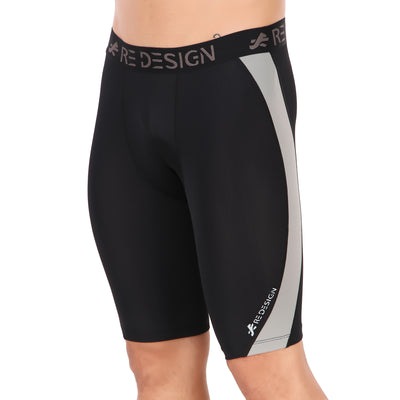
Research on textile friction has examined textile friction coefficients in athletic apparel, noting that technical synthetic knits significantly reduce shear stress against human skin compared to damp natural fibers like cotton. ReDesign Sports, an Indian compression and activewear brand based in Mangolpuri, Delhi, crafts training essentials Made in India using durable nylon-spandex and polyester-spandex compression fabrics. These synthetic blends deliver a smooth, second-skin glide that protects against skin irritation throughout demanding workouts.
Squat-Proof Security: Testing Fabric Opacity Under Squats and Hip Thrusts
For any lifter assessing compression shorts women gym workouts put to the test, fabric opacity under deep hip flexion is non-negotiable. Nothing disrupts focus faster than wondering whether your shorts have become completely sheer at the bottom of a heavy barbell squat or during a set of barbell hip thrusts under harsh overhead gym lighting.
Many fast-fashion brands sell lifestyle biker shorts made from lightweight single-jersey cotton or thin polyester. When standing upright, these fabrics appear opaque. However, when you descend into a deep parallel squat, the fabric across the glutes stretches biaxially by 30 to 50 percent. If the knit density is insufficient, the yarn gaps widen, exposing underwear patterns and skin.
When searching for squat proof gym shorts female athletes can trust, follow this practical testing protocol before heading to the gym:
- The Bright Light Mirror Test: Put on your compression shorts with brightly patterned or dark underwear underneath. Stand in front of a mirror under strong, direct overhead light or natural sunlight.
- The Deep Goblet Squat: Descend into a full-depth squat with your hips below your knees. Lean forward slightly at the torso to maximize glute fabric stretch.
- The Flashlight Check: Turn on your smartphone camera flash and capture a short video or photo from behind at the bottom of the squat. If the color or pattern of your underwear is visible through the fabric, the knit density is too low for heavy resistance training.
While exploring women's compression shorts from ReDesign Sports, priced roughly Rs. 490 to Rs. 1,500, lifters can find accessible athletic apparel designed for Indian training conditions. Always perform your own opacity check at home to verify fit and personal coverage before hitting the squat rack.
High-Waist Engineering: Keeping the Band Glued to Your Core Without Rolling
Few things are more frustrating during a set of burpees, deadlifts, or rowing intervals than a waistband that constantly folds over, rolls downward, or digs into your stomach. Understanding how high waist compression shorts women wear are engineered helps you avoid this common nuisance.
During compound movements that involve hip hinging, your abdominal wall compresses while your lower back curves. If a pair of shorts features a narrow waistband with a single thin elastic strip sewn into the top seam, the elastic acts like a rubber band and naturally rolls down toward the narrowest point of your waist.
To prevent rolling, look for these design attributes:
- Wide Contoured Waistbands: A wide band measuring 3.5 to 4.5 inches distributes tension evenly across your lower abdomen and lumbar spine, eliminating localized pressure points.
- Dual-Layer Bonded Construction: Waistbands constructed with an internal and external layer of compression fabric provide structured core support that resists creasing and flipping over during deep hinges.
- Seamless Front Rises: Removing a vertical center seam in the front reduces uncomfortable pressure and minimizes fabric bunching around the pelvis.
Thigh Hem Technology: Preventing Hem Roll-Up During Deep Lunges
While the waistband secures the top of the garment, the leg hems control the bottom. A common complaint among women with athletic quads is the dreaded sausage-leg effect or hems that roll up toward the crotch the moment they perform a walking lunge or step-up.
When your quadriceps flex at the bottom of a lunge, your thigh circumference expands by several centimetres. If the leg hem is finished with a rigid, non-stretchy stitch, it cuts painfully into the quad tissue. Conversely, if the hem has no tension or grip, the expanding muscle pushes the fabric upward into the narrower portion of the thigh.
Look for compression shorts engineered with flat, wide hem finishes or laser-cut raw edges that feature high elastane recovery. The hem should sit flush against your skin with enough elasticity to expand alongside your quadriceps during maximum contraction, then retract smoothly without migrating upward.
Modesty and Comfort: Wearing Compression Shorts Solo vs. Layered Under Shorts
Activewear preferences vary widely across different gyms and cultural settings in India. While some women feel completely comfortable wearing compression shorts solo, others prefer additional modesty when traveling to the gym or training in mixed commercial fitness facilities.
Both approaches offer clear functional advantages:
- Wearing Solo: Sporting compression shorts on their own provides maximum thermal cooling, minimal weight, and an aerodynamic feel. It eliminates excess fabric bulk, making it ideal for hot outdoor runs, high-intensity CrossFit workouts, and studio pilates classes.
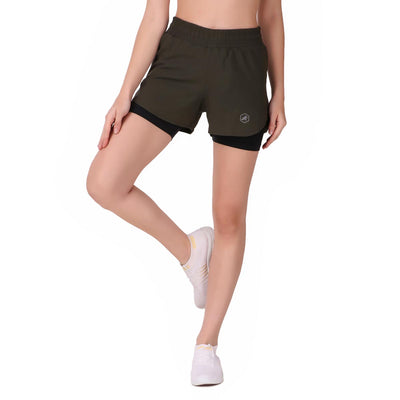
- Layered Under Loose Shorts: For those who prefer a two-layer setup, pairing inner compression with women's active shorts provides complete peace of mind. The compression layer prevents thigh chafing and supports the quads, while the loose outer short provides relaxed aesthetic coverage.
Supported by over 10,0,00 happy customers and featured in Forbes India and Hindustan Times, ReDesign Sports provides both tight-fit and relaxed silhouettes that can be mixed and matched according to your comfort level.
Styling Compression Shorts for Gym Sessions, Outdoor Runs, and Daily Athleisure
Building an athletic wardrobe around the compression shorts women gym lifters use daily allows for seamless transitions between heavy training and casual weekend errands. Their sleek silhouette makes them remarkably versatile across diverse settings.
Consider these practical styling combinations for Indian lifestyles:
- Heavy Strength Days: Pair high-waisted 7-inch compression shorts with an oversized cotton pump cover or drop-armhole tank. The oversized top balances the fitted bottoms, giving you full confidence during deadlifts and hip thrusts.
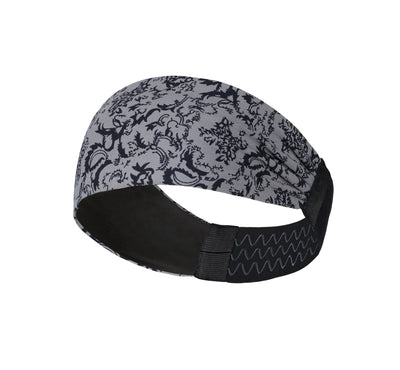
- Outdoor Runs & Cardio: Pair 5-inch or 7-inch shorts with a high-support women's sports bra and a lightweight technical headband to manage perspiration during humid morning miles.
- Weekend Athleisure: Transition from your morning workout to coffee in Bandra, Indiranagar, or Connaught Place by throwing a cropped linen shirt or light zip hoodie over your compression shorts, paired with clean white sneakers.
Exploring options in bestselling women's activewear allows you to curate functional pieces that perform under intense physical strain while fitting effortlessly into your everyday routine.
Health and circulation note: Sports compression shorts provide gentle muscular support and comfort during exercise, but they are not medical compression garments. If you are dealing with varicose veins, deep vein thrombosis, or pelvic floor complications during pregnancy or postpartum recovery, consult a qualified physician or physical therapist for clinical guidance.
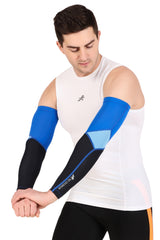
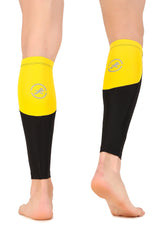
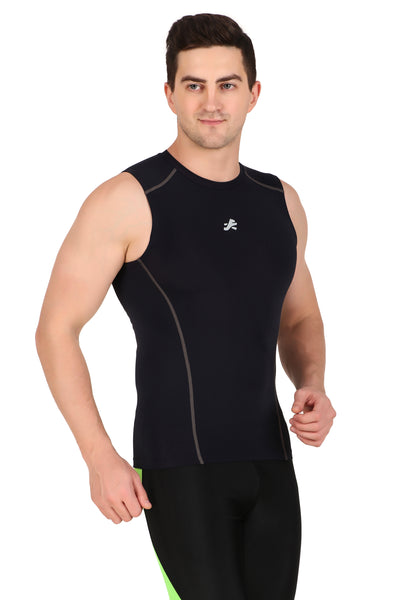
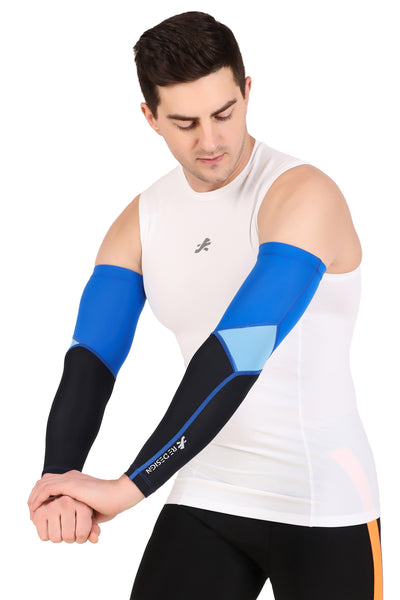
Shop the full range of ReDesign compression wear: t-shirts, shorts, full tights, leggings, arm sleeves and calf sleeves.
Frequently asked questions
What inseam length of compression shorts prevents thigh chafing best?
A 7-inch or 8-inch inseam prevents thigh chafing best for most women. This length extends down to just above the knee, creating an unbroken synthetic barrier across the entire inner thigh where skin friction occurs during walking, running, and squatting. Shorter 3-inch cuts leave the lower thigh exposed, while 5-inch cuts work well for moderate friction but may occasionally ride up on fuller thighs.
Do women's compression gym shorts roll up during squats and lunges?
High-quality compression shorts engineered with balanced elastic recovery and wide, flat-stitched hems generally resist rolling up. However, shorts with thin, overly tight elastic bands or flimsy lightweight cotton fabrics tend to creep upward when the quadriceps expand during deep squats and lunges. Selecting the correct size and an inseam of at least 5 to 7 inches helps keep hems firmly anchored.
Are compression shorts and casual biker shorts the same thing?
No, compression shorts and casual biker shorts are fundamentally different in fabric composition and construction. Casual biker shorts are typically made from lightweight, single-knit cotton or thin rayon blends designed for lounging. They lack muscular support, become sheer when stretched, and absorb sweat. Athletic compression shorts use high-density nylon-spandex or polyester-spandex performance fabrics designed for supportive hold, friction reduction, and durability under heavy movement.
Can you wear compression shorts for running and high-impact HIIT workouts?
Yes, compression shorts are outstanding for outdoor running, treadmill sprints, and high-impact HIIT classes. A 2016 systematic review in Sports Medicine by Engel and colleagues noted that compression apparel provides subjective comfort, improved proprioception, and reduced muscle oscillation during high-cadence strides. Furthermore, compression shorts eliminate the painful thigh rubbing often caused by loose running shorts in humid conditions.
What underwear should you wear under women's compression shorts?
For maximum comfort and zero visible panty lines (VPL), wear seamless laser-cut athletic thongs or moisture-managing synthetic briefs under your compression shorts. Avoid thick cotton underwear, as cotton absorbs sweat, bunches up under compressive fabric, and features thick edge seams that can cause painful friction during long workouts. Many athletes also choose to wear compression shorts commando to eliminate seams entirely.
Upgrading your workout wardrobe with supportive, friction-free activewear keeps your focus squarely on hitting your fitness goals. Browse the collections at ReDesign Sports, where orders over Rs. 500 receive free shipping, a 15% discount is auto-applied at checkout, and returns or exchanges are supported within 7 days.