

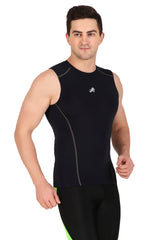
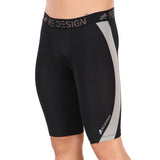
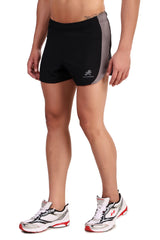
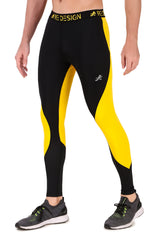
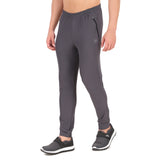

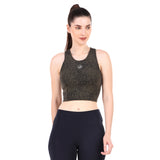
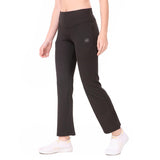
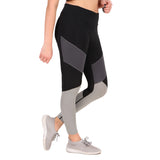
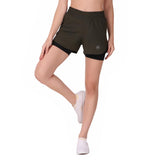



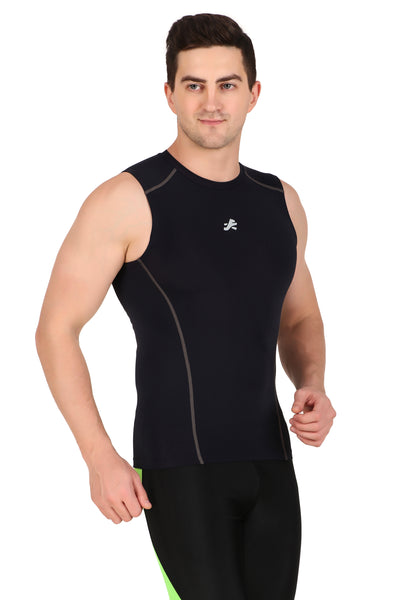
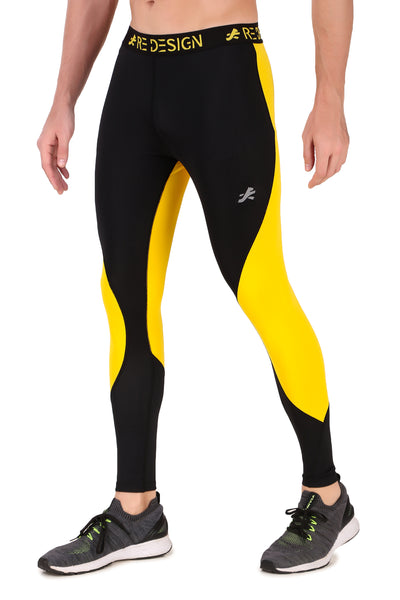

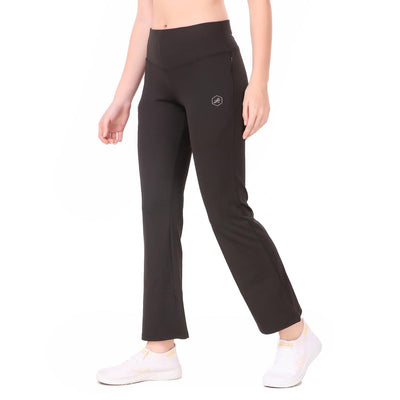
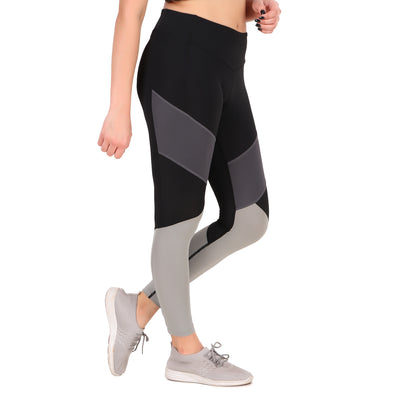
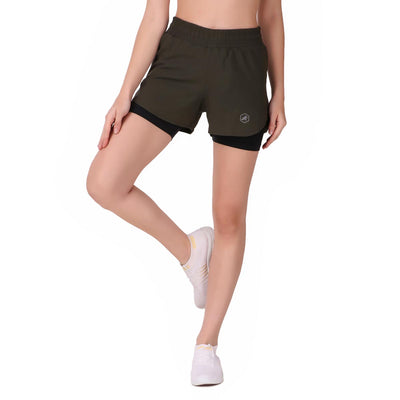
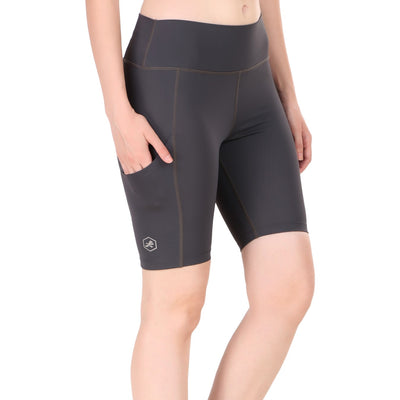
Football inner wear tights are snug synthetic base layer leggings worn under match shorts to protect a player's thighs, hips, and knees from severe friction burns on artificial turf pitches. When you slide-tackle or lunge on modern artificial grass, the stiff polyethylene fibers and crumb rubber infill generate sharp friction and heat. Wearing a technical compression base layer places a durable, low-friction barrier between your skin and the abrasive surface, keeping your muscles warm during chilly evening matches and preventing sweat buildup during 90 minutes of high-intensity play.
The Turf Football Boom: Why Artificial Grass Causes Severe Friction Burns
Across Indian metros and sporting hubs, football culture has shifted decisively from muddy monsoon grounds to commercial artificial turf arenas. From rooftop cages in Lower Parel, Bandra, and Andheri in Mumbai to expansive floodlit multi-pitch facilities in Bengaluru, Kolkata, Delhi NCR, and Kerala, five-a-side and seven-a-side evening leagues run late into the night. These synthetic pitches allow continuous play throughout the monsoon and summer months, but they present a painful physical hazard: severe turf burns.
Unlike natural grass, which gives way and releases moisture when your body slides across it, artificial turf consists of durable plastic carpet fibers embedded over shock pads and filled with thousands of loose black rubber crumbs. When an amateur footballer wearing standard shorts commits to a sliding challenge or gets knocked to the ground, exposed skin on the outer hip, thigh, or knee drags across these coarse plastic yarns under full body weight. Within a fraction of a second, the top layers of skin are stripped away, leaving an open, stinging abrasion that oozes fluid and makes sleeping, showering, or sitting at an office desk the following day an agonizing ordeal. Because of this, more footballers across the country now rely on football base layer tights india to shield their legs during competitive cage fixtures.
The Physics of Turf Burns: Rubber Crumb Abrasions vs. Natural Pitch Grazes
To understand why turf burns are so much more destructive than ordinary grass scrapes, it helps to examine the frictional physics of artificial pitches. A traditional mud or grass pitch features organic blades composed mostly of water and cellular cellulose. When you slide on wet grass, the blades shear easily, and the surface water acts as a natural boundary lubricant, lowering the kinetic coefficient of friction between your leg and the soil.
Third-generation (3G) synthetic pitches operate on completely different mechanical principles. The artificial grass blades are manufactured from dense polyethylene or polypropylene polymers. When your leg makes rapid contact with these synthetic fibers during a slide, the kinetic friction creates sudden, localized heat alongside mechanical shear forces. Research on artificial turf has observed that direct skin contact with synthetic pitch materials produces sharp surface shear and rapid frictional heating, quickly tearing through the stratum corneum (the skin's outermost protective layer).
Compounding this mechanical trauma is the infill: recycled styrene-butadiene rubber (SBR) crumb pellets. As the plastic fibers abrade your epidermis, these tiny black rubber crumbs and trapped dust particles embed directly into the raw dermal tissue. Medical literature, including athletic hygiene reports published in sports medicine journals, notes that turf burns present a substantially higher risk of secondary bacterial infections than natural grass grazes because synthetic surfaces trap sweat, body oils, and environmental pathogens without the natural soil microbes that break down organic waste.
| Pitch Characteristic | Natural Grass Pitch | 3G Artificial Turf Pitch |
|---|---|---|
| Surface Lubrication | High (natural plant sap and soil moisture) | Low (dry synthetic fibers unless freshly watered) |
| Friction Mechanism | Blades shear away under slide impact | Dense polymer fibers resist shearing, creating friction heat |
| Abrasion Profile | Superficial scrapes with organic soil residue | Deep thermal shear abrasions with embedded rubber crumbs |
| Infection Risk | Moderate (standard open wound protocol) | Elevated (foreign rubber crumb and bacterial trapping) |
| Protective Requirement | Standard match shorts and high socks | Synthetic base layers recommended for slide protection |
How Football Inner Wear Tights Act as a Second-Skin Protective Shield
Wearing football inner wear tights provides a mechanical buffer between your skin and the harsh pitch surface. The principle is simple yet remarkably effective: synthetic-on-synthetic sliding produces far less friction than skin-on-synthetic sliding. When you go to ground wearing technical tights, the turf burn protection football players rely on comes from the fabric absorbing the initial kinetic shearing force. The tightly woven textile slides across the artificial grass filaments, allowing your body to glide smoothly rather than catching and tearing the epidermal tissue.
For this protection to work consistently during dynamic play, the tights must fit like a true second skin. Loose track pants or ill-fitting leggings bunch up around the knees and hips, creating folds of fabric that drag against the pitch, tear under tension, or roll up to expose bare flesh mid-slide. Close-fitting football sliding tights remain locked in place across your quadriceps, hamstrings, and knee joints, ensuring that your vulnerable contact points stay shielded regardless of the angle at which you land.
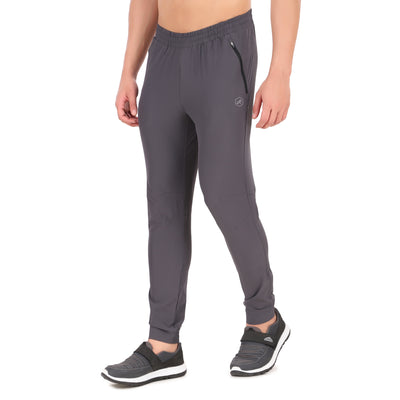
When choosing protective base layers in India, Indian players looking for reliable base layers can explore men's compression pants from ReDesign Sports, an Indian compression and activewear brand whose products are Made in India using polyester-spandex and nylon-spandex fabrics designed for athletic performance. These technical synthetic textiles offer the structural resilience required to endure repeated slides without tearing apart after your first weekend match.
Tendon and Muscle Warmth: What Studies Suggest During Cold Evening Matches
Beyond abrasion defense, base layer tights play a functional role in managing muscle temperature during training sessions and matches. In northern Indian winters—such as late-night turf fixtures in Delhi NCR, Punjab, or Chandigarh where ambient temperatures routinely drop to 8°C to 12°C—cold muscles are particularly vulnerable to sudden pulls during maximum-velocity sprints or sudden changes of direction.
Sports scientists have investigated how compression base layers influence muscle temperature and circulation. Systematic reviews of compression research have evaluated the effects of compression garments on athletic recovery and soft-tissue mechanics, finding that compression wear may help maintain localized skin temperature and assist peripheral blood flow during passive breaks in play. When you are standing idle waiting for a corner kick or resting on the sidelines during five-a-side rolling substitutions, compression tights help retain core muscular warmth around your hamstrings, groins, and quadriceps.
However, the science behind compression garments is nuanced and mixed. While research suggests that compression tights can aid localized warmth and comfort, they do not guarantee injury prevention or make an athlete immune to hamstring strains. Muscular health still relies on thorough pre-match dynamic warm-ups, progressive load management, and adequate recovery. If you suffer from chronic muscle strains or vascular issues, consult a sports doctor or physiotherapist rather than relying solely on sports apparel.
Full-Length Tights vs. 3/4 Tights vs. Compression Sliders: Choosing Your Fit
Footballers can select from three main base layer formats depending on their playing position, match weather, and personal comfort preferences:
- Full-Length Tights (Ankle to Waist): The gold standard for turf burn defense. Full-length tights cover the entire lower body, shielding your hip joints, outer thighs, patellar tendons, and shins. They are ideal for central defenders, goalkeepers, and sliding defensive midfielders who consistently go to ground on dry artificial grass.
- 3/4 Length Capri Tights (Below Knee to Waist): These finish just below the patella, covering the knees while leaving the calf and lower shin clear. Shuttling wingers and strikers who wear thick match socks and heavy shin guards often prefer 3/4 tights because they eliminate double fabric layering around the calves.
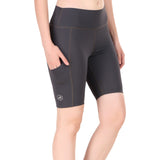
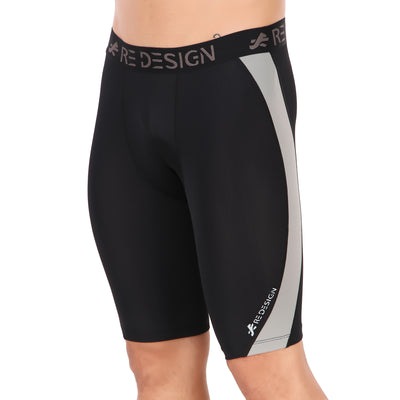
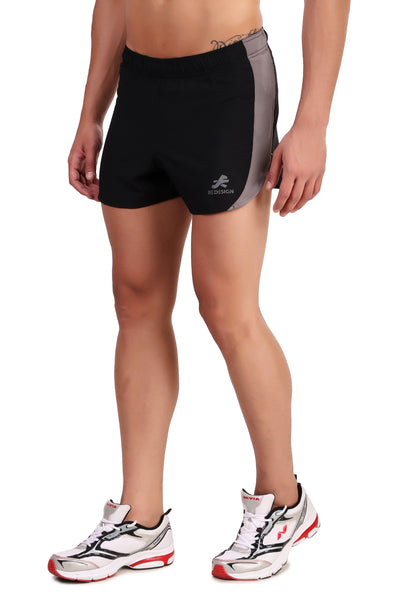
- Compression Sliding Shorts (Mid-Thigh to Waist): Extending roughly 7 to 9 inches along the thigh, sliding shorts safeguard the outer hip bones and glutes against lateral friction while keeping the lower legs completely open to airflow. For footballers playing under 38°C summer heat in Chennai, Mumbai, or Kolkata, sliding shorts offer a cooler alternative.
Players who prefer mid-thigh coverage under their team kits can inspect men's compression shorts from ReDesign Sports, which are priced roughly between Rs. 490 and Rs. 1,500 and provide supportive lower-body compression for matchday competition.
| Tights Format | Turf Burn Coverage | Match Temperature Range | Shin Guard & Sock Fit | Best Position / Style |
|---|---|---|---|---|
| Full-Length Pants | Maximum (Hips, thighs, knees, shins) | 10°C to 28°C (Cool evenings, winter, monsoon) | Tights sit smoothly beneath shin guards and socks | Defenders, goalkeepers, aggressive tacklers |
| 3/4 Length Tights | High (Hips, thighs, knees) | 18°C to 32°C (Moderate humidity and heat) | No fabric overlap under high calf socks | Wingers, attacking midfielders, sprinters |
| Compression Sliders | Targeted (Hips, glutes, upper thighs) | 26°C to 40°C (Hot summers, dry turf cages) | Completely independent of calf accessories | Forwards, players who overheat quickly |
Layering Under Football Kit: Pairing Base Layers with Club Match Shorts
Integrating soccer compression tights under shorts requires attention to sizing, waistband comfort, and kit aesthetics. When selecting your size, always use your actual waist measurement in inches or centimeters rather than your casual trouser tag. A proper athletic base layer should feel comfortably tight and supportive across the groin and thighs without pinching your skin or leaving deep red pressure indentations around your waistline.
For casual turf matches and weekday training sessions, pair your base layer with lightweight men's active shorts that feature an elastic drawstring waist and an athletic cut. This setup allows your hips to rotate freely when executing long diagonal passes, striking through the ball, or shifting your weight during lateral jockeying drills. In competitive club leagues where uniform regulations apply, check your league handbook: most governing bodies require base layer tights to match the primary color of your match shorts or maintain a neutral black tone.
Moisture Transport: Staying Light and Dry During 90 Minutes of Sprinting
Playing competitive football in India means facing severe climatic extremes. During the monsoon season in coastal cities like Mumbai, Kochi, or Kolkata, relative humidity frequently exceeds 85%, while inland summer tournaments can push ambient temperatures above 40°C. Under these conditions, an ordinary cotton garment is a liability. Cotton fibers absorb moisture up to 25 times their dry weight, soaking up perspiration, sagging heavily against your hips, and generating intense friction along the inner thighs that causes painful chafing.
High-performance athletic tights rely on synthetic yarns—predominantly nylon and polyester blended with elastane or spandex. These synthetic filaments do not absorb water into their core fibers; instead, they pull liquid sweat away from your skin surface along the fabric structure, allowing it to evaporate into the circulating air. This moisture transport mechanism ensures that your base layer stays light, stable, and comfortable throughout 90 minutes of sprinting, preventing the heavy, waterlogged sensation that slows down your stride late in the second half.
Washing Stained Football Inners: Removing Mud, Rubber Residue, and Sweat
Artificial turf leaves unique residues on sportswear that can ruin fabrics if not cleaned correctly. Black rubber crumbs carry oily industrial residues, and wet turf fibers deposit stubborn grey streaks along the knees and hips. To keep your base layers clean and maintain their elastic tension over multiple seasons, follow this reliable washing protocol:
- Empty the Rubber Crumb Reservoir: Turn your tights inside out over a balcony or waste bin and shake them vigorously to dislodge rubber pellets trapped in the cuffs, seams, and waistband.
- Cold Water Pre-Rinse: Soak your tights in a bucket of cold water immediately after your match to loosen surface mud, grass stains, and sweat salts before they dry into the fabric weave.
- Use Mild Liquid Detergent: Wash on a gentle machine cycle using cold water and a standard sports detergent. Never use powdered detergents with harsh bleaching agents, as they can break down the elastane fibers that give compression gear its snug fit.
- Avoid Fabric Softeners: Fabric conditioners leave a waxy chemical coating on synthetic textiles, clogging the microscopic spaces between threads and destroying the fabric's ability to transport sweat away from the body.
- Line Dry in the Shade: Never toss synthetic compression tights into an electric dryer. High heat degrades spandex elasticity and can cause synthetic yarns to shrink or melt. Hang them to dry naturally on a shaded drying rack away from harsh midday Indian sunlight.
See every style in one place in our compression wear collection, with the size and fit guide.
Frequently Asked Questions
Why do football players wear tights under their shorts on artificial turf?
Football players wear tights under their shorts primarily to shield their skin from abrasive friction burns caused by synthetic grass fibers and rubber crumb infill. Tights also provide a snug second-skin fit that keeps leg muscles warm during chilly matches and reduces friction between the thighs to prevent chafing during repeated sprints.
Do football inner wear tights prevent turf burns when slide tackling?
Yes, football inner wear tights significantly reduce the risk and severity of turf burns by acting as a sacrificial protective layer. When you slide on artificial turf, the fabric takes the brunt of the kinetic friction and shearing forces, allowing your body to glide across the pitch rather than stripping the epidermal skin layers off your hips and knees.
Can I wear gym compression pants for outdoor football matches?
You can wear standard gym compression pants for football as long as they are constructed from durable synthetic blends like polyester-spandex or nylon-spandex and fit securely without sagging. However, ensure the fabric has enough structural resilience to withstand pitch abrasions, and avoid overly thin lifestyle leggings that can easily tear on coarse artificial grass.
Do football compression tights keep your legs warm during winter evening games?
Studies suggest that compression base layers help maintain localized skin temperature by trapping a thin layer of warm air close to the body and supporting peripheral circulation. While they help keep muscles warm between sprints during cold evening games, they are sports compression layers rather than heavy thermal garments, and they should be combined with an active warm-up routine.
Should I wear underwear under my football base layer tights?
Most athletes wear football base layer tights directly against the skin without extra underwear to minimize bulk, eliminate overlapping elastic seams, and reduce the chance of groin chafing. If you prefer wearing an undergarment for hygiene or support, choose a lightweight synthetic athletic brief rather than cotton underwear.
Equipping yourself with the right protective base layer allows you to play with complete commitment on any artificial pitch without fearing painful scrapes. To upgrade your weekly matchday kit, browse the Made in India activewear range at ReDesign Sports, featuring original products backed by over 10,00,000 satisfied customers, free shipping on orders over Rs. 500, a 15% discount automatically applied at checkout, and a hassle-free 7-day return and exchange policy.