

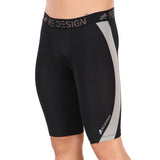
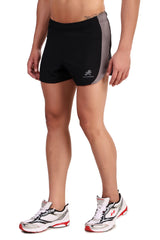
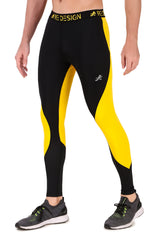
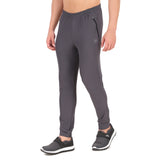

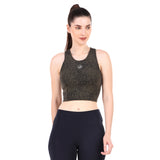
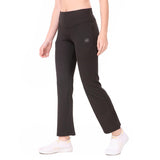
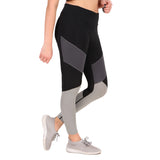
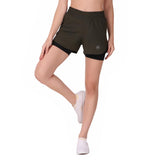
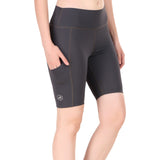



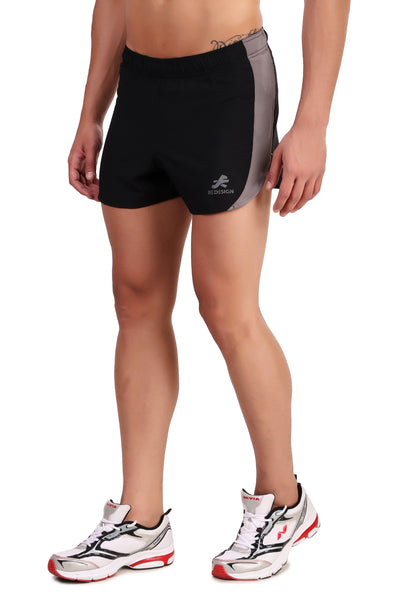
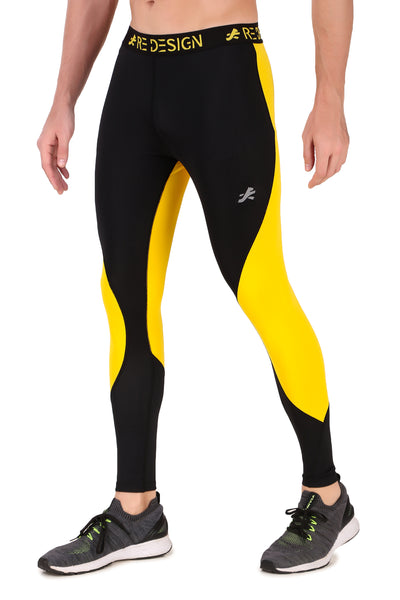
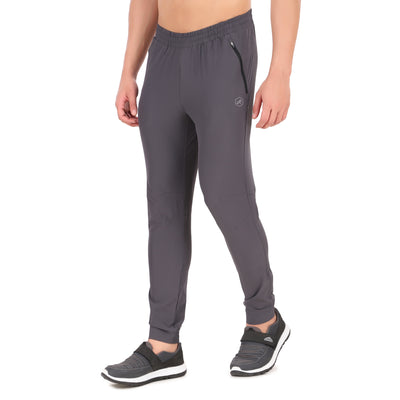

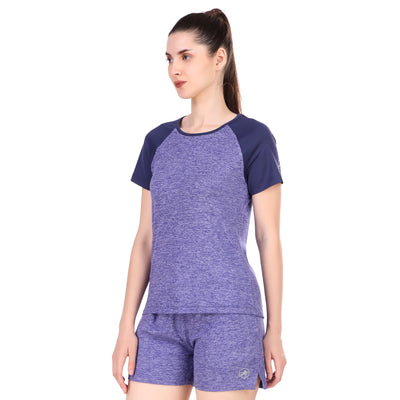
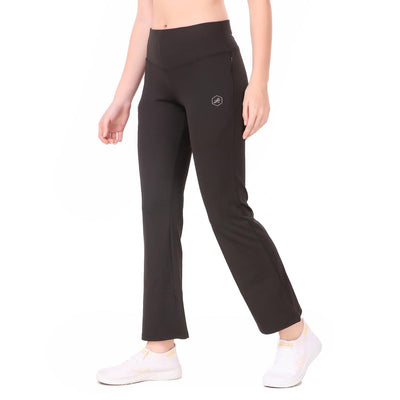
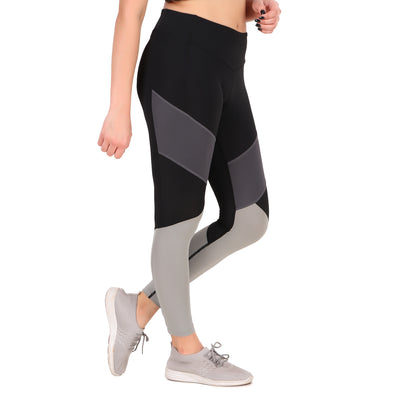
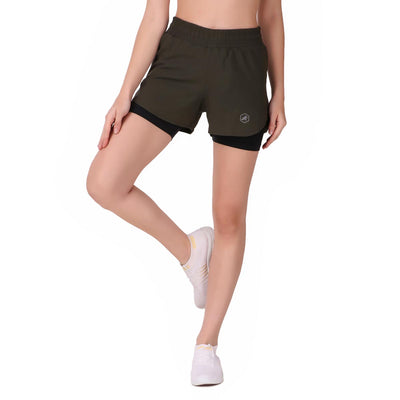
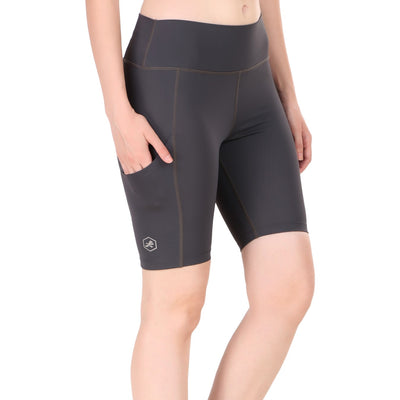
Selecting high-performance yoga compression tights high waist practitioners can rely on requires balancing supple flexibility, dependable waistband retention, and complete fabric opacity. During a dynamic 75-minute asana sequence, your apparel must move effortlessly through deep hip-opening postures, stay securely anchored over the pelvis during inversions, and keep you confident under bright studio lighting. Unlike casual fashion leggings or loose cotton pyjamas, technical compression tights engineered for yoga utilize multi-directional four-way stretch synthetics and anatomically wide waistbands that support joint alignment and body awareness without pinching your breath.
The Demands of Asana Practice: Why Everyday Leggings Fail on the Mat
Yoga places unique biomechanical demands on activewear. Unlike steady-state running or upright gym machine circuits, a modern Vinyasa, Hatha, or Ashtanga practice requires the body to transition continuously across three-dimensional planes. A single sequence can move from an extended side angle (Utthita Parsvakonasana) into a deep forward fold (Uttanasana), followed by a balance inversion like a headstand (Sirsasana) or downward-facing dog (Adho Mukha Svanasana).
Everyday casual leggings and lightweight fashion tights are fundamentally unprepared for these mechanical stresses. Standard fashion tights are typically constructed from low-density, two-way stretch jersey knits. Under the extreme joint angles of deep lunges, these fabrics stretch horizontally across the thighs but pull tight vertically, creating friction that restricts your hip extension. Furthermore, casual leggings often utilize thin single-needle stitching that unravels under tension, while their narrow, elastic-banded waists fold over and slide downward with every forward bend. For yogis practicing across the subcontinent, choosing technical high waisted yoga leggings in India ensures that apparel holds up through demanding daily routines without sliding, sheering, or restricting natural movement.
The 4-Way Stretch Imperative: Moving Freely in Deep Lunges and Forward Folds
The defining technical feature of functional yoga apparel is multi-directional elasticity. In textile engineering, fabrics are categorized into two-way and four-way stretch knits. Two-way stretch fabrics elongate only in a single direction—usually crosswise from side to side—while remaining rigid along the lengthwise grain. When you drop into a full monkey pose (Hanumanasana) or a deep warrior lunge (Virabhadrasana), your leg muscles elongate both longitudinally and latitudinally. Wearing a two-way stretch garment creates mechanical resistance, tugging back against your joints and limiting your active range of motion.
The hallmark of the best yoga tights 4 way stretch fabrics provide is equal tensile elongation across both horizontal and vertical axes. High-performance yoga knits interweave technical micro-polyester or polyamide fibers with premium elastane (spandex) filaments in a dense circular or warp-knit matrix. Sports science research has evaluated textile elongation and joint kinematics during dynamic flexibility exercises, finding that fabrics offering unrestricted multi-directional elongation significantly reduce garment resistance and allow wearers to achieve their full passive and active range of motion without compensating joint angles.
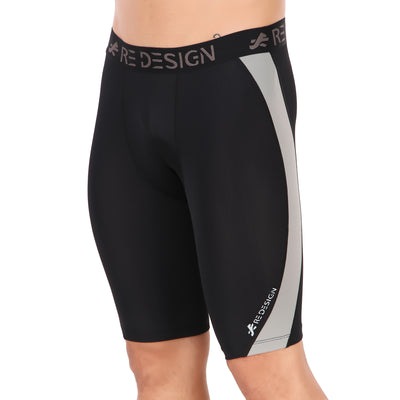
For dedicated yogis seeking locally manufactured apparel, ReDesign Sports is an Indian compression and activewear brand with products Made in India. Headquartered in Mangolpuri, Delhi, ReDesign crafts athletic bottoms using durable polyester-spandex and nylon-spandex compression fabrics, priced accessibly between roughly Rs. 490 and Rs. 1,500. When selecting training tights, yogis should look for knits that offer balanced four-way elasticity to facilitate unhindered asana transitions.
Non-Roll High Waistband Engineering: Staying Anchored Through Inversions
A frequent disruption during yoga practice is a waistband that rolls down, slips, or bunches around the lower belly during forward folds. When you bend forward at the hips during Paschimottanasana or fold over your legs in Prasarita Padottanasana, the natural compression of your abdominal wall against your thighs creates upward and downward friction. If a pair of tights relies on a narrow, 2-to-3 cm elastic strip sewn into the top seam, that localized band twists and flips downward under pressure, requiring constant readjustment between breath cycles.
The structural architecture of yoga compression tights high waist designs directly addresses this issue by utilizing wide, contoured abdominal bands. An effective yoga waistband measures between 8 and 12 cm (3.5 to 5 inches) in vertical height and sits smoothly above the iliac crest, fully covering the navel. Rather than relying on a sharp elastic cord, the waistband is constructed from a double-layered panel of compressive fabric that distributes gentle, even tension across the entire core. This graduated panel acts like an anchor against the torso, adhering smoothly across the lower back and abdomen without digging into the stomach during seated twists or sliding downward when you hang inverted in a shoulder stand.
Complete Inversion Opacity: Ensuring Non-Sheer Coverage Under Studio Lights
Nothing erodes confidence on the yoga mat faster than realizing your tights become semi-transparent during a forward bend or wide-legged forward fold. In the fitness community, squat proof yoga pants are judged by their ability to maintain complete opacity when the fabric is pulled taut over the glutes and lower back.
Fabric opacity is determined by two primary manufacturing metrics: areal weight (measured in grams per square meter, or GSM) and knitting construction. Lightweight fashion leggings typically weigh between 140 and 180 GSM, which is far too thin to resist sheering under tension. When stretched over the hips in Utkatasana (Chair Pose), the thin loops of single-knit jersey expand, creating microscopic gaps that let light pass directly through. In contrast, technical yoga tights utilize heavy-gauge interlock knitting with fabric densities ranging between 220 and 280 GSM. Interlock knits use two sets of needles to knit two interconnected layers of fabric simultaneously, creating a dense, double-faced textile that remains opaque even under full mechanical elongation.
When testing high waisted yoga leggings in India under studio spotlights, checking knit density prevents unintended translucency. You can test your tights at home before your first class using the forward-fold test: stand under bright overhead lighting with your back to a mirror, bend forward 90 degrees at the hips into a deep stretch, and check whether your skin tone or undergarment color remains completely concealed.
Seam Placement Matters: Why Flatlock Seams Prevent Floor Irritation in Savasana
While many athletes evaluate leggings primarily by waist fit and color, seam construction is crucial for comfort during yoga. Yoga involves prolonged, direct contact between the skin, the garment, and the floor. In restorative postures, seated hip openers, and during final Savasana, your body weight rests motionless against the mat for minutes at a time.
Standard activewear often uses traditional overlock seams, which join two fabric panels by wrapping thread around their cut edges. This creates a raised, cylindrical ridge on the interior of the garment. When you lie flat on your back or roll onto your hips in Supta Matsyendrasana, these raised seam ridges press directly into your sacrum, spine, and hip bones, causing uncomfortable pressure points and red, irritated marks on your skin.
Technical yoga apparel solves this problem by using flatlock seam engineering. Flatlock sewing machines butt the raw edges of two fabric pieces together edge-to-edge without overlapping them, and bind them with a complex, four-needle interlocking stitch. The resulting seam is completely flat on both the inside and outside of the garment. When you settle into Savasana after a challenging practice, flatlock seams lay flush against your skin, eliminating friction points and allowing you to relax without tactile distraction.
Breathability in Hot Yoga & Summer Studios: Managing High-Sweat Flows
Yoga practice in India is deeply intertwined with high temperatures. Whether attending an intensive Ashtanga class in Mysore, practicing hot Vinyasa in Mumbai, or rolling out your mat in Delhi where indoor summer studio temperatures frequently stay above 32°C, managing perspiration is a constant reality. During a strenuous 90-minute flow, the body can produce over a liter of sweat to regulate thermal equilibrium.
If you wear loose cotton track pants or non-wicking casual pyjamas, that liquid sweat is absorbed into the cotton fibers, causing the pants to become sodden, heavy, and cold. The wet fabric clings to your knees and shins, creating friction that impedes smooth leg transitions from Downward Dog to Warrior I. In contrast, technical synthetic compression knits utilize hydrophobic polymers that move perspiration away from the skin via surface capillary action. Sweat spreads across a broad exterior surface area and evaporates swiftly into the studio air, preventing moisture pooling and keeping your legs dry, light, and agile through every flow.
Compression Level for Yoga: Selecting the Right Yoga Compression Tights High Waist
Compression wear is widely used across athletic disciplines, but the compression profile required for yoga differs fundamentally from the rigid support used in distance running or clinical medicine. Understanding these differences ensures you select a pair of tights that supports your practice rather than hindering your breath.
Medical compression stockings apply high, rigid pressure (typically 20 to 30 mmHg or more) to manage circulatory disorders such as chronic venous insufficiency or deep vein thrombosis. In contrast, sports compression garments provide milder, flexible pressure. Systematic reviews have evaluated the effects of compression garments on balance and proprioception. The researchers noted that compressive apparel stimulates cutaneous mechanoreceptors—nerve endings in the skin that detect pressure and stretch—which can enhance sensory feedback and body position awareness.
In yoga, enhanced proprioceptive feedback may assist in fine-tuning joint alignment during complex balance poses like Garudasana (Eagle Pose) or Ardha Chandrasana (Half Moon Pose). However, excessive tightness is counterproductive. If compression tights are too rigid, they restrict the lateral expansion of your lower ribs and compress your diaphragm, preventing full three-part yogic breathing (Dirga Pranayama). Finding truly comfortable compression tights for yoga requires a supple, second-skin fit that provides gentle muscular hugging without feeling restrictive.
Please note: Sports compression wear provides mild tactile feedback for active exercise and does not replace medical-grade compression stockings. It is not intended to treat, diagnose, or cure circulatory disorders. If you experience varicose veins, circulatory issues, or are pregnant, always talk to a doctor before using compressive garments.
The table below highlights how technical compression tights compare to casual yoga alternatives across essential performance factors:
| Garment Type | Stretch Architecture | Waistband Grip | Inversion Opacity | Studio Suitability |
|---|---|---|---|---|
| Traditional Cotton Pyjamas | Loose woven or 2-way stretch; zero recovery; bunches around knees | Drawstring or thin elastic; loosens when wet; slides during folds | Variable; can sheer out at high wear areas; retains heavy sweat | Gentle restorative stretching; unsuitable for dynamic heated flows |
| Casual Fashion Leggings | 2-way stretch; tends to bag at knees and pull tight vertically | Narrow elastic band; rolls down frequently during forward bends | Low (under 180 GSM); frequently becomes sheer in deep lunges and squats | Casual loungewear; inadequate for structured asana practice |
| Technical High-Waist Tights | Balanced 4-way stretch; moves dynamically in all planes | Wide, double-layer contoured band (8-12 cm); stays anchored over navel | High density (220-280 GSM interlock); maintains total opacity under tension | Ashtanga, Vinyasa, Hot Yoga, Hatha, and home flexibility routines |
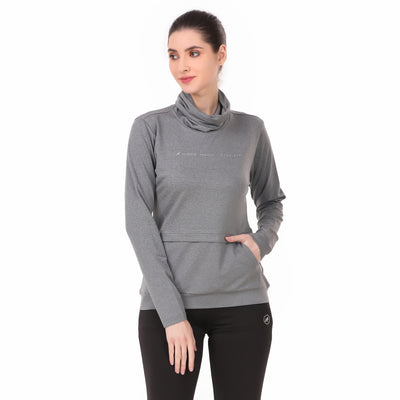
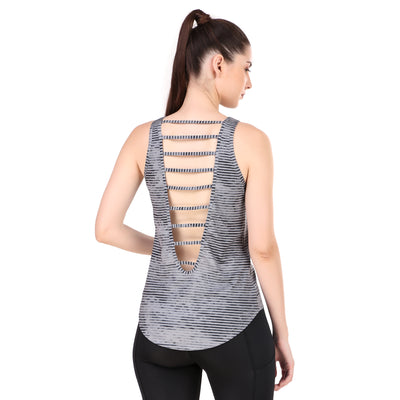
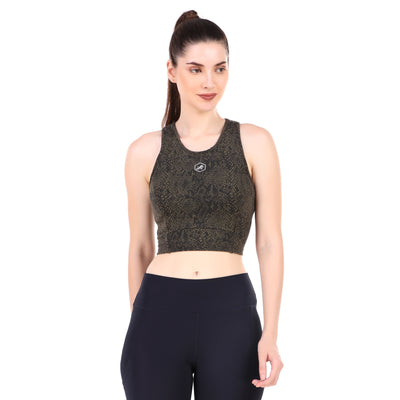
Yogis looking for versatile activewear can explore the range of women's leggings available from ReDesign Sports, which pair naturally with complementary sports bras and sleeveless tops. Having served over 10,00,000 happy customers across India, the brand has been featured in Forbes India and Hindustan Times.
Caring for High-Spandex Yoga Tights: Washing Protocols for Lifelong Elasticity
Technical yoga tights owe their flexibility and supportive hold to elastane (spandex) filaments. However, elastane is sensitive to heat, chemical softeners, and rough friction. To ensure your tights maintain their snap and opaque density through years of regular practice, apply these maintenance rules:
- Machine Wash on Gentle with Cold Water: Always set your washing machine to a gentle cycle with water temperatures at or below 30°C. Cold water preserves the molecular integrity of elastane polymers and prevents premature fabric sagging.
- Avoid Fabric Softeners and Bleach: Fabric softeners coat technical fibers with chemical residue, reducing fabric breathability and diminishing elasticity. Use a gentle liquid laundry detergent without optical brighteners or harsh bleach.
- Wash with Similar Smooth Fabrics: Avoid washing yoga tights alongside heavy cotton towels, denim jeans, or garments with open zippers and Velcro straps, which snag delicate synthetic knits and cause surface pilling.
- Never Tumble Dry with High Heat: Heat dryers degrade polyurethane elastane chains, leading to wavy, stretched-out seams and lost shape recovery. Always air-dry your tights flat or hang them in a shaded, well-ventilated spot away from harsh direct sunlight.
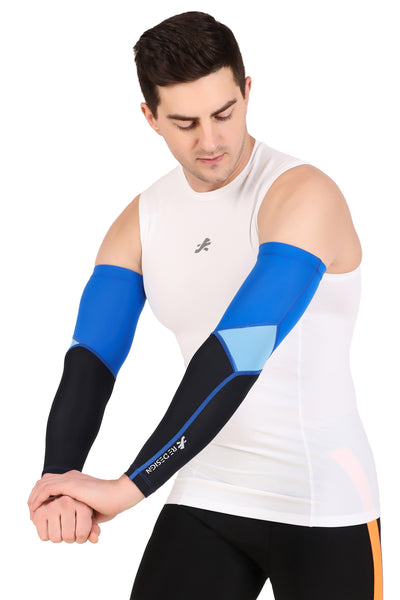
Ready to kit up? Browse all our compression wear for men and women: tops, shorts, tights, leggings and sleeves, made in India.
Frequently asked questions
Are compression tights comfortable for stretching and daily yoga practice?
Yes, athletic compression tights designed for yoga provide comfortable, supple support that moves with your body during stretching routines. Unlike stiff medical garments, yoga tights offer gentle, flexible pressure that stimulates sensory mechanoreceptors in your skin, enhancing your awareness of limb placement without restricting deep abdominal breathing.
What is the best fabric blend for high-waist yoga tights in India?
The best fabric blends for yoga tights in Indian climates are synthetic knits combining polyester or nylon (polyamide) with elastane (spandex). Polyester and nylon provide durability and quick moisture evaporation, while elastane delivers the four-way stretch needed for deep lunges. Look for dense interlock knits with weights between 220 and 280 GSM for complete opacity.
Why does the waistband of my yoga pants roll down during forward bends?
Waistbands roll down when they are too narrow, cut straight rather than contoured, or rely on a thin internal elastic cord. During forward bends, abdominal compression pushes against narrow bands, causing them to flip over. Choosing a wide, double-layered high waistband (8 to 12 cm) prevents rolling by distributing tension smoothly across the core.
Do yoga compression tights feel too restrictive compared to loose track pants?
Quality yoga compression tights should feel like a supportive second skin rather than a restrictive corset. While loose track pants can bunch around your knees, catch under your feet, and flap around during inversions, form-fitting tights stay completely in place and give you total freedom of movement through complex transitions.
Can I wear my yoga compression tights for running and gym lifting as well?
Yes, technical yoga compression tights with four-way stretch, dense opaque knitting, and secure high waistbands are highly versatile. They perform exceptionally well for gym weight training, Pilates, and light running, providing reliable coverage and chafe-free mobility across all your fitness activities.
Investing in dependable activewear brings comfort and focus to your practice, allowing you to move through asanas with total confidence and ease. Whether stepping onto the mat for a 6:00 AM Surya Namaskar sequence or flowing through an evening Vinyasa class, ReDesign Sports offers athletic apparel backed by customer-friendly policies, including free shipping on orders over Rs. 500, a 15% discount auto-applied at checkout, 7-day returns and exchanges, and secure Razorpay payment processing. Their products are available on redesignsports.com as well as on Amazon.in and Myntra.