

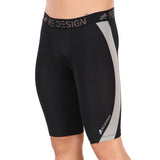
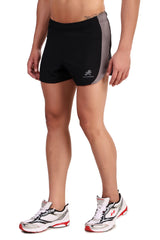
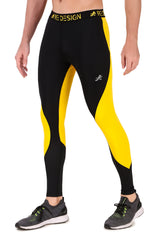
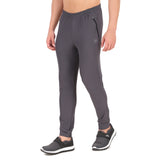

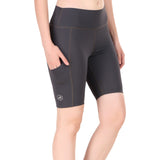

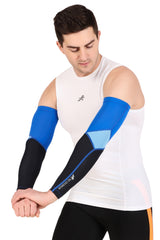
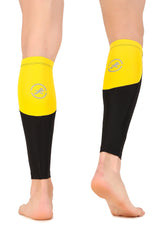


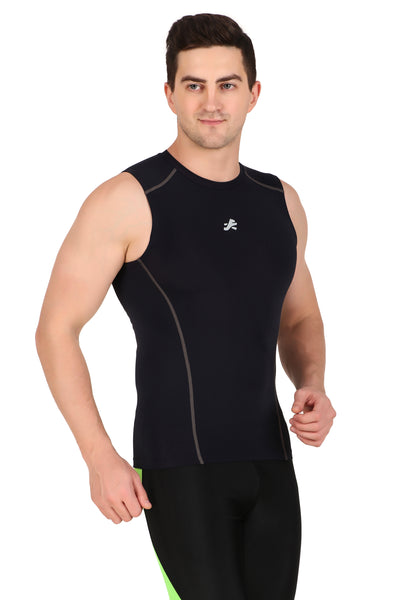

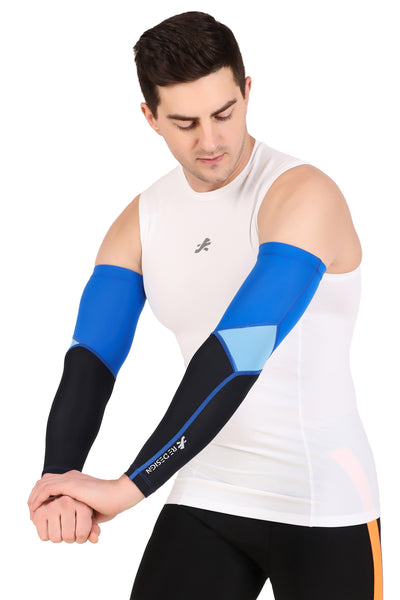
Compression calf sleeves for badminton are targeted, footless compression garments designed to support lower-leg muscles, dampen rapid court impact shock, and reduce fatigue during intense rallies. Because badminton requires explosive split-steps, repeated jump smashes, and deep forecourt lunges across hard wooden floors or synthetic court mats, the gastrocnemius and soleus muscles absorb massive mechanical stress. By applying graduated external pressure from the lower ankle upward, these sleeves help stabilize oscillating muscle tissue, support blood flow, and keep your legs responsive through demanding multi-set matches.
The Biomechanics of Badminton: Explosive Lunges, Split-Steps, and Sudden Stops
Badminton has cemented its standing as India's second most popular participation sport. From state-of-the-art badminton academies in Hyderabad and Bengaluru to municipal sports clubs and indoor arenas in Delhi NCR, Mumbai, and Pune, thousands of shuttlers step onto wooden and synthetic PVC courts daily. Yet, despite being a non-contact sport, the physical demands of badminton on the lower extremities are exceptionally severe.
During a competitive 45-minute singles match, a player executes hundreds of rapid directional shifts. Unlike the linear running patterns of road marathons, court movement relies on the split-step—a rapid pre-activation hop where the player lands on the balls of their feet with knees flexed, instantly loading the Achilles tendon and calf complex like a compressed spring. From this loaded position, the player must decelerate abruptly into a deep forecourt lunge to retrieve a tight net tumble, then push off forcefully against the court floor to recover back to mid-court. This continuous cycle of rapid deceleration and explosive acceleration subjects the calf musculature to high eccentric loads, which often leads players to incorporate compression wear for shuttlers into their weekly training gear.
Calf Muscle Oscillation: Why High-Impact Court Landings Cause Rapid Fatigue
Every time a shuttler lands from an overhead jump smash or plants their foot at the end of a forward lunge, ground reaction forces reverberate through the lower limb. Because human muscle tissue is soft and elastic, these impact forces cause the gastrocnemius (the upper calf muscle) and soleus (the deeper calf muscle) to vibrate violently in a phenomenon known in sports biomechanics as muscle oscillation.
This mechanical shaking comes at a real physiological cost. To dampen these uncontrolled vibrations and keep the ankle joint stable, the central nervous system automatically triggers additional muscle contractions—a biological protective reflex known as muscle tuning. While muscle tuning prevents joint instability, it consumes metabolic energy. As the match enters a third set, the cumulative energy expended just to stabilize vibrating calf tissues leads to heavy legs, delayed footwork, and reduced jump height.
A notable 2018 study conducted by Eduard Kurz and Christoph Anders, published in the Journal of Sports Sciences, investigated the effects of wearing lower-leg compression sleeves on locomotion economy using surface electromyography. The researchers found that external compression significantly reduced muscle oscillation and decreased cumulative muscle activation costs by 4% to 16% across tested speeds. By providing external mechanical support that dampens soft-tissue vibrations, compression sleeves reduce the body's internal workload, offering valuable badminton leg fatigue relief during prolonged court sessions.
How Graduated Compression Calf Sleeves for Badminton Support Lower Leg Stability
The core engineering behind compression calf sleeves for badminton is graduated pressure. Unlike an ordinary elastic band or warm-up wrap that applies uniform tension, graduated compression garments deliver their tightest pressure around the lower ankle and supramalleolar region, with the compressive force gradually decreasing as the sleeve travels up toward the knee.
This graduated profile works in harmony with the body's natural venous return system. The veins in your calves feature one-way valves that work against gravity to pump deoxygenated blood back toward the heart. During continuous high-intensity rallies, metabolic byproducts accumulate in the lower extremities. By gently compressing the superficial veins, graduated sleeves assist venous flow, helping oxygenated blood reach working muscle fibers more efficiently.
Furthermore, calf compression sleeves for court sports enhance proprioception—the sensory awareness of joint positioning and limb movement in space. The constant, snug tactile pressure against the cutaneous nerve receptors on your skin provides continuous feedback to your brain regarding ankle alignment and calf muscle tension. This heightened neuromuscular awareness can make your foot placements feel sharper and more stable when reacting to deceptive drop shots or flat cross-court drives.
Calf Sleeves vs. Compression Socks: Why Shuttlers Prefer Modular Sleeves
When searching for lower-leg support, athletes typically choose between full-length compression socks and footless calf sleeves. While runners often opt for full socks, experienced badminton players overwhelmingly favor footless compression sleeves because of the specialized demands of indoor court footwear.
Badminton footwork demands specialized grip socks. High-performance badminton socks feature dense terry-cotton loop cushioning under the heel and forefoot, alongside silicone grip patterns on the outer sole. This construction prevents the foot from sliding inside the court shoe during explosive lateral stops, protecting against painful friction blisters and subungual hematomas (black toenails). In contrast, full compression socks have smooth, thin synthetic footbeds that lack the friction and padding required for badminton footwear.
By choosing calf sleeves, players enjoy a versatile modular system: you get targeted calf compression while retaining the freedom to wear your favorite cushioned grip socks inside your court shoes. Shuttlers can explore compression calf sleeves from ReDesign Sports, an Indian compression and activewear brand based in Mangolpuri, Delhi. Made in India with durable polyester-spandex and nylon-spandex fabrics, these sleeves deliver consistent external hold match after match.
| Feature | Footless Calf Compression Sleeves | Full-Length Compression Socks |
|---|---|---|
| Footwear Integration | Pairs with thick, cushioned badminton grip socks | Requires wearing thin built-in synthetic sock footbed |
| Blister Defense | High (lets you choose thick friction-reducing socks) | Low to Moderate (thin footbed can slide in court shoes) |
| Washing Convenience | Can be washed separately; socks washed after every session | Entire garment must be washed after every single match |
| Ankle Articulation | Unrestricted rotational freedom at the talocrural joint | Continuous fabric covers ankle and Achilles tendon |
| Sweat Management | Absorbs leg sweat before it enters footwear | All leg and foot sweat collects within one garment |
Pairing Calf Sleeves with Thick Badminton Cushion Socks for Blister Defense
To maximize the comfort and performance of your lower-leg setup, follow proper layering guidelines on court. Start by pulling your calf sleeve on first, positioning the lower cuff roughly 2 to 3 centimeters above your ankle bone (the medial and lateral malleoli) and pulling the upper cuff up to just below the knee crease. The sleeve should encase the full fleshy belly of the gastrocnemius without folding over at either hem.
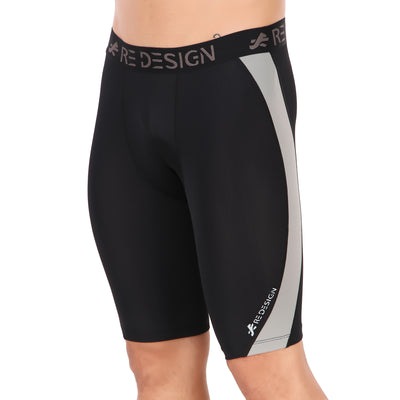
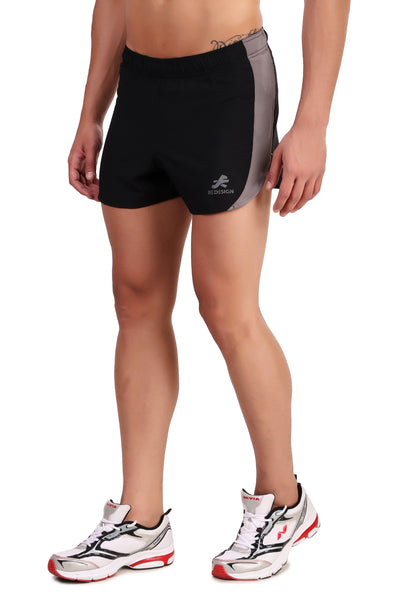
Next, pull on your cushioned badminton socks. The top rib of your sock can touch the bottom hem of the calf sleeve, but avoid rolling the two garments over each other to create a thick, constrictive pressure ring around your Achilles tendon. Combining reliable calf support for badminton with unrestricted lower-body apparel—such as lightweight men's active shorts from ReDesign Sports—ensures full freedom of motion through wide lunges and split-steps without restrictive binding around your hips.
Managing Sweat in Enclosed, Humid Badminton Stadiums and Complexes
Indoor badminton facilities present unique climate challenges across India. Because the shuttlecock's flight path is easily disrupted by air currents, badminton halls operate with doors and windows closed, and high-velocity ceiling fans are switched off during play. During the Indian monsoon or summer, indoor humidity levels can become stifling, causing players to perspire heavily within minutes of starting their warm-up.
Unchecked sweat presents both a comfort issue and a safety hazard. As sweat streams down your bare shins and calves, it seeps into your socks, saturates the footbeds of your court shoes, and reduces traction, increasing the likelihood of painful friction blisters. Furthermore, sweat droplets falling onto synthetic court mats create slick spots that can cause dangerous slips during sudden deceleration.
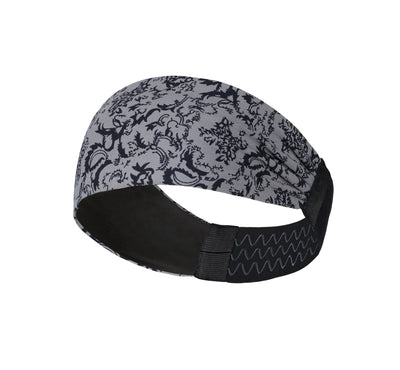
Wearing synthetic compression calf sleeves provides an effective sweat barrier, capturing perspiration as it runs down your lower legs and allowing it to spread across the textile surface to evaporate. Pairing your calf gear with a sports headband, such as the unisex sports headbands from ReDesign Sports, helps keep sweat out of your eyes and off the court floor during intense rallies.
Post-Match Recovery: Wearing Calf Sleeves to Ease Calf Tightness
The benefits of calf compression extend beyond active matchplay into the post-match recovery window. Following a grueling two-hour tournament session, your calf muscles undergo micro-tears in their structural protein filaments, leading to delayed onset muscle soreness (DOMS) and stiff, tight Achilles tendons over the next 24 to 48 hours.
A comprehensive meta-analysis by Hill and colleagues, published in 2014 in the British Journal of Sports Medicine, examined multiple clinical trials investigating the effects of compression garments worn during recovery. The authors concluded that using compression apparel post-exercise can significantly reduce the severity of perceived muscle soreness and support the recovery of muscle function. Wearing clean calf sleeves for two to four hours after a match helps maintain gentle venous circulation, assisting your body's natural clearance of metabolic waste while you rest at home.
However, it is essential to approach sports recovery with realistic expectations. Compression sleeves may help ease subjective tightness, but they are sports compression accessories—not medical devices. They do not prevent or cure serious court injuries such as Achilles tendon ruptures, plantaris tears, or deep vein thrombosis. If you experience severe, localized calf pain, sudden swelling, or sharp heel pain, consult an orthopedic doctor or sports physiotherapist. Those with chronic circulatory disorders or diabetes should always seek medical advice before using compressive wear.
Choosing the Right Compression Grade for High-Agility Lateral Movement
Selecting the correct size is the single most important factor when buying compression calf sleeves. Unlike activewear shorts or t-shirts that rely on waist or chest sizes, calf sleeves must be fitted according to the anatomical dimensions of your lower leg. Follow these practical steps to ensure an accurate fit:
- Measure Your Calf Circumference: Using a flexible tailor's tape, measure around the widest, thickest part of your calf muscle (the gastrocnemius belly) while standing upright with your weight distributed evenly. Note the measurement in both inches and centimeters.
- Measure Lower Leg Length: Measure the vertical distance along the back of your leg from two finger-widths above your ankle bone up to two finger-widths below the crease behind your knee.
- Consult Brand Sizing Tables: Match your circumference measurement to the brand's sizing chart. If your measurement falls directly between two sizes, choose the larger size if you prioritize all-day match comfort, or the smaller size if you prefer a firmer, tighter compressive hold.
- Check Pressure Sensation: A proper sleeve should feel comfortably firm and supportive. It should never cause throbbing, cut into your skin, cause pins and needles, or make your toes feel cold. If you notice numbness or discoloration in your feet, remove the sleeves immediately and size up.
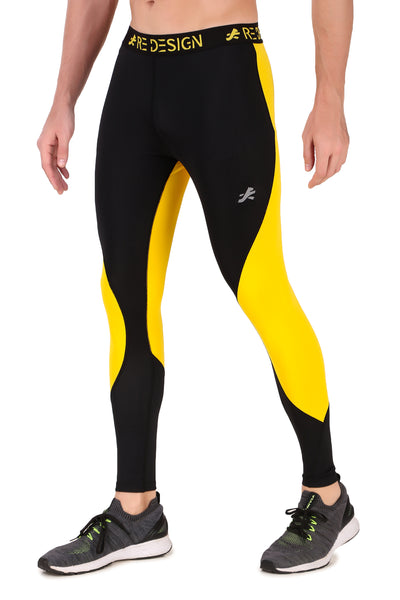
Shop the full range of ReDesign compression wear: t-shirts, shorts, full tights, leggings, arm sleeves and calf sleeves.
Frequently Asked Questions
Why do professional badminton players wear calf sleeves on court?
Professional shuttlers wear calf sleeves to dampen the intense muscle vibrations caused by hard court landings, split-steps, and explosive lunges. The sleeves support localized blood flow, enhance sensory feedback for foot placement, and catch perspiration running down the legs before it reaches socks and shoes.
Do calf compression sleeves help prevent sudden calf cramps in badminton?
While compression calf sleeves support blood flow and help keep calf muscles warm during long games, they do not directly prevent cramps. Muscle cramping is primarily triggered by neuromuscular fatigue, dehydration, and electrolyte depletion. To prevent cramps, combine compression sleeves with proper on-court hydration and electrolyte intake.
Can I wear calf sleeves with my regular badminton grip socks?
Yes, and this modular pairing is the primary reason court athletes prefer calf sleeves over full compression socks. Footless sleeves leave your ankles and feet free, allowing you to wear thick, cushioned badminton grip socks that prevent your feet from sliding inside court shoes and defend against blisters.
How tight should badminton calf sleeves fit around the gastrocnemius?
Calf sleeves should fit snugly like a second skin, providing firm, consistent pressure across the calf muscle belly without restricting arterial blood flow. They should never pinch behind the knee, roll down at the hems, or cause tingling, numbness, or coldness in your toes or feet.
How do I wash calf sleeves after playing in humid indoor courts?
Wash your calf sleeves after each use in cold water using a gentle sports detergent to remove accumulated sweat salts and body oils. Avoid fabric softeners and bleach, as they break down elastane fibers. Always air-dry your sleeves in the shade rather than placing them in an electric dryer, which can destroy fabric elasticity.
Supporting your lower legs with targeted compression allows you to move with greater confidence, maintain footwork speed through the third set, and recover comfortably after the match. To explore reliable court gear, check out the Made in India compression collection at ReDesign Sports, an Indian brand trusted by over 10,00,000 athletes and featured in Forbes India and Hindustan Times. Enjoy original activewear with free shipping over Rs. 500, a 15% discount automatically applied at checkout, and an easy 7-day return and exchange policy.