

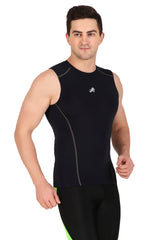
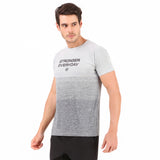
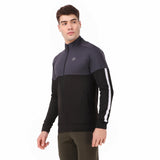
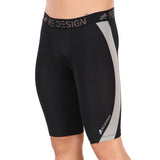
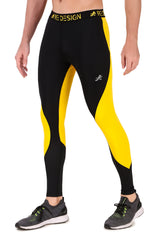

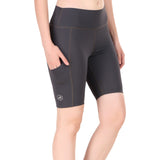

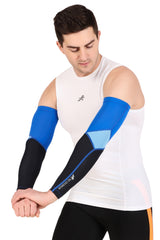


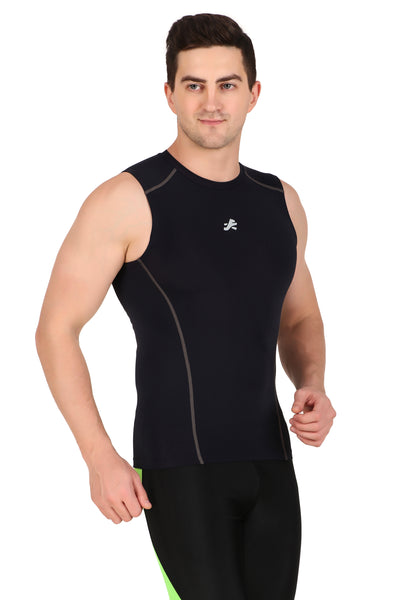
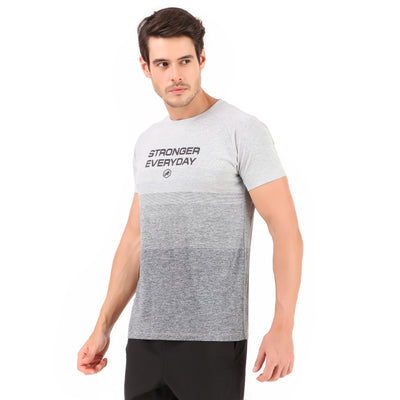
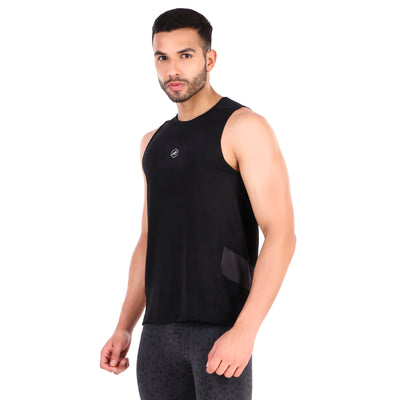
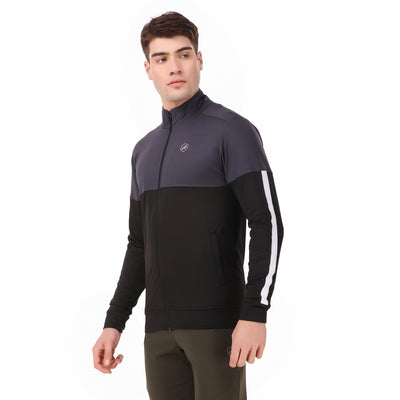
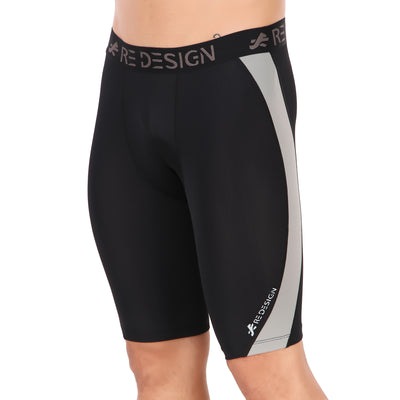

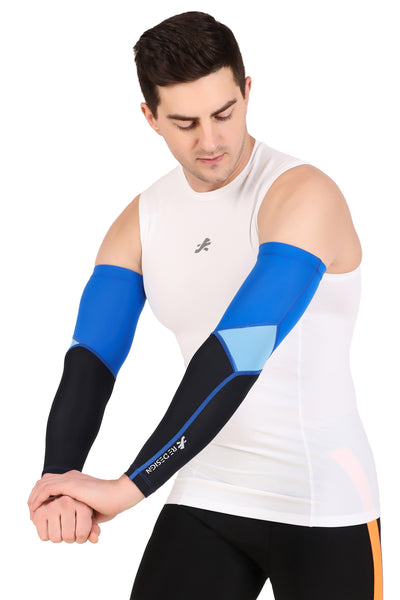
A high-performance cricket inner wear full sleeve top serves as an essential base layer beneath match whites, shielding your skin from abrasive turf burns, helping manage perspiration during grueling 40°C afternoon sessions, and stabilizing upper-body muscles across long fielding spells. For academy cricketers, club players, and weekend tournament regulars across India, swapping out traditional cotton undershirts for a dedicated full-sleeve compression inner prevents heavy, sweat-soaked jerseys from dragging down your game and stops strap friction from heavy protective equipment.
Why Academy Cricketers Wear Cricket Inner Wear Full Sleeve Under Match Whites
Step onto any major academy ground in Delhi, Mumbai, Bengaluru, or Chennai at 9:00 AM, and you will notice junior and senior cricketers alike pulling on long sleeves beneath their match jerseys. While cricket traditions historically favored loose-fitting flannel or cotton shirts, the physical intensity of modern multi-day and limited-overs fixtures has shifted how players prepare their kit. A competitive match day routinely demands six to eight hours under direct sun, combining intense bursts of sprinting with prolonged fielding spells on open outfields.
Wearing a technical cricket base layer full sleeve under standard match whites provides a continuous barrier against persistent jersey friction. Traditional poly-cotton match shirts can feel stiff and rough when soaked with sweat, rubbing repeatedly across the chest, shoulders, and underarms. An inner compression layer moves synchronized with your torso, eliminating that direct textile drag.
Beyond comfort, full forearm coverage plays a critical role in managing solar exposure. During prolonged mid-innings spells under extreme ultraviolet conditions, bare forearms absorb punishing heat, contributing to acute thermal strain and severe sun fatigue. Rather than repeatedly slathering greasy sunscreen that washes away within three overs of bowling, academy players rely on long sleeves to keep direct sunlight off exposed skin.
Indian activewear brands like ReDesign Sports produce Made in India men's compression t-shirts and tops using resilient nylon-spandex and polyester-spandex compression fabrics. Priced roughly between Rs. 490 and Rs. 1,500, these pieces offer academy cricketers an accessible way to layer their match whites without paying steep import prices.
Turf Burns vs. Second Skin: Sliding Defense on Hard Indian Outfields
Outside of premier international grounds, the reality of domestic cricket in India is unforgiving on the body. From the dry maidans of Mumbai and Kolkata to local club grounds in North India, outfields are frequently baked hard by scorching weather, characterized by patchy grass, loose clay, and coarse soil. When a fielder commits to a boundary-saving dive or slides to cut off a ball at backward point, bare skin contacting this surface experiences severe frictional shearing.
A turf burn is not a thermal injury; it is a traumatic friction abrasion that strips away the epidermis, exposing sensitive nerve endings and capillary beds. Worse still, loose red dirt, gravel, and boundary chalk readily embed into these abrasions, posing a persistent risk of bacterial infection throughout multi-day tournaments.
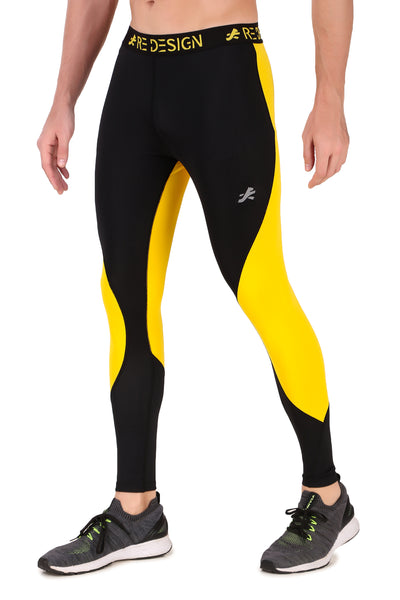
This is where a specialized cricket fielding base layer proves its worth. Tightly knitted synthetic yarns possess a smooth surface profile. When you hit the ground, the fabric absorbs the mechanical friction, sliding over the turf while staying anchored to your skin. The garment acts as a sacrificial barrier: the textile handles the abrasion so your forearm and elbow skin does not tear. Fielders who combine their tops with lower-body gear like men's compression pants gain similar sliding defense across the hips and outer thighs, allowing them to dive fearlessly on hard ground.
Moisture Management: Why Cotton Inners Fail in 40°C Heat
A widespread misconception passed down through older dressing rooms is that a 100% cotton vest—commonly called a banyan—is the best undergarment for hot weather because cotton "absorbs sweat." While cotton does absorb liquid, that exact property makes it completely unsuitable for high-intensity sports under peak Indian summer conditions.
Cotton fibers are naturally hydrophilic. They soak up perspiration like a kitchen sponge and hold onto it stubbornly. During an intense afternoon session in May or June, a cotton vest quickly saturates, gaining up to three times its dry weight in salty moisture. This sodden mass clings heavily to the chest, collapses air circulation between the skin and outer jersey, and traps heat. The constant wet rubbing often leads to painful nipple chafing, heat rashes, and severe discomfort by tea time.
In contrast, performance base layers utilize synthetic fibers such as polyester and nylon blended with elastane or spandex. These synthetic filaments have exceptionally low moisture absorption. Instead of trapping water within the core of the fiber, they transport sweat away from the skin surface and disperse it across a broad outer surface area, facilitating rapid evaporation in moving air. This leaves the inner face of the garment comparatively dry and lightweight throughout a fifty-over fielding innings.
| Performance Feature | Traditional Cotton Undershirt (Banyan) | Synthetic Compression Base Layer |
|---|---|---|
| Sweat Handling | Absorbs moisture into fibers; stays wet and waterlogged for hours. | Transports moisture away from skin to outer face for rapid evaporation. |
| Garment Weight Under Sweat | Becomes heavy, sagging with retained perspiration as the match progresses. | Remains lightweight, retaining minimal moisture weight even during intense heat. |
| Turf & Dirt Abrasion Defense | Thin cotton tears easily during slides; offers negligible forearm protection. | High tensile synthetic weave resists friction; shields skin from abrasive burns. |
| Fit Under Equipment Straps | Bunches up, creates wet fabric folds that pinch under chest and arm guards. | Fits flush against the torso, preventing friction ridges under protective gear. |
| Shape & Elasticity Retention | Stretches out of shape when wet; collar sags below playing jersey neckline. | Maintains snug elasticity and positional hold across multi-hour innings. |
Shoulder and Forearm Muscle Containment for Fast Bowlers
Fast bowling is one of the most violent physical actions in world sport. At the moment of front-foot landing, impact ground reaction forces can reach up to six to nine times the bowler's body weight. That kinetic shock propagates straight up through the skeletal framework into the torso, shoulder girdle, and bowling arm, coinciding with extreme shoulder rotation and aggressive post-delivery arm deceleration.
When unconstrained muscles experience these rapid decelerations, the soft tissue vibrates vigorously—a phenomenon sports biomechanists call muscle oscillation. This uncontrolled micro-movement requires additional neuromuscular stabilization, expending energy and contributing to localized muscular fatigue over extended spells.
Sports science has extensively explored how compressive apparel interacts with these mechanical forces:
- Muscle Oscillation and Movement Control: A 2015 study in the Journal of Strength and Conditioning Research led by Hooper, Kraemer, and colleagues examined the effects of upper-body compression garments on athletic performance. The researchers observed that compressive wear supports joint proprioception—the body's ability to sense its position in space—while dampening soft-tissue oscillation during dynamic upper-body actions.
- Soreness and Post-Match Recovery: In a 2007 cricket-specific study published in the British Journal of Sports Medicine, researchers Rob Duffield and Marc Portus investigated cricket players wearing full-body compression garments during repeated sprints and maximal throwing trials. While the garments did not artificially alter running speed or throwing velocity during the test, players wearing compression demonstrated significantly reduced 24-hour post-exercise creatine kinase (a biological marker of muscle damage) and reported lower subjective muscle soreness compared to control trials.
Wearing cricket skins full sleeve tops helps wrap the biceps, triceps, and forearm musculature in a firm mechanical sheath. Pace bowlers frequently report that this gentle containment provides a secure, compact sensation through the delivery stride, helping maintain movement consistency during their third or fourth bowling spell.
Sports compression garments are engineered to support athletic comfort, mechanical stability, and perceived exertion; they are not medical compression stockings and are not designed to cure injuries or treat circulatory disease. If you are experiencing persistent shoulder impingement, tendon inflammation, or vascular symptoms, consult a qualified sports physician or physiotherapist for clinical care.
Fit Calibration: How Tight Should Your Cricket Base Layer Be?
Achieving the intended benefits of a technical base layer requires precise sizing. A garment that is too loose will bunch into uncomfortable fabric ridges under your armpits and fail to maintain skin contact for sweat transport. Conversely, a garment that is overly restrictive can bind around the armholes, inhibit your shoulder turn, and distract you at the crease.
Your cricket inner wear full sleeve base layer should fit like a snug second skin—firm and supportive across the chest, upper back, and arms, with zero slack fabric, but without cutting into the armpits or squeezing the ribcage. When checking your size, rely on accurate chest measurements in inches or centimeters rather than generic letter labels:
- Small: 36 in (approx. 91 cm) chest circumference
- Medium: 38 in (approx. 97 cm) chest circumference
- Large: 40 in (approx. 102 cm) chest circumference
- X-Large: 42 in (approx. 107 cm) chest circumference
- XX-Large: 44 in (approx. 112 cm) chest circumference
Before taking a new base layer onto the pitch, perform two essential movement checks at home:
- The Bowling Delivery Arc: Put on the top, raise your arms overhead, and mimic your full bowling action or a high boundary catch. The cuffs should remain securely anchored at your wrists without riding halfway up your forearms, and the hem should stay tucked into your trousers without riding above your navel.
- The Batting Stance and Drive: Assume your batting stance and execute an exaggerated cover drive followed by a back-foot pull. Ensure there is no binding across the rhomboids or latissimus dorsi as your arms extend through the shot.
Athletes seeking well-calibrated fits can browse men's full sleeve compression t-shirts to select the size matching their exact chest and torso dimensions.
White vs. Dark Base Layers: Matching Domestic Tournament Regulations
Before purchasing your match apparel, you must ensure your gear adheres to tournament clothing guidelines. Both the International Cricket Council (ICC) and the Board of Control for Cricket in India (BCCI) enforce strict uniform regulations across age-group and senior cricket to uphold professional standards and ensure fair playing conditions.
In multi-day formats, district trials, and traditional league cricket where teams compete in match whites:
- Color Compliance: Any visible undergarment—including full sleeves extending beyond the playing jersey—must be plain white or cream/ivory to match the team uniform. Wearing dark garments, such as black or navy skins, under white playing kits is strictly prohibited by match officials.
- Ball Sighting: The prohibition of dark sleeves in red-ball matches exists primarily to safeguard ball visibility. A dark sleeve creates sharp visual contrast that can distract batsmen or obscure the bowler's release point against the batter's eye. A clean, regulation white cricket inner t shirt preserves visual neutrality for all players on the field.
- Branding Restrictions: Tournament rules frequently limit the size and visibility of manufacturer logos on exposed base layers. Opt for clean designs with minimal external branding so you do not risk umpire objections or uniform penalties during formal matches.
When selecting a cricket inner wear full sleeve for multi-day matches, confirming that the tone matches your club's jersey prevents unexpected kit issues. For white-ball cricket, T20 tournaments, and evening club leagues played in colored kits, regulations generally require that any visible base layer sleeve coordinates directly with the dominant color of the team's playing jersey. Wearing white sleeves during a white-ball game is similarly restricted to prevent the white leather ball from being camouflaged against the fielder's arms.
Seam Construction: Flatlock Stitching to Prevent Chafing Under Equipment
A cricketer wears more protective armor than athletes in almost any other field sport. Over the course of an innings, a batsman or close fielder wears an abdominal guard harness, a chest guard with elastic webbing, arm guards fastened with hook-and-loop velcro, and heavy shoulder straps. Under this gear, poor garment construction turns into an agonizing liability.
Standard everyday t-shirts feature raised, overlocked seams where two panels of fabric are stitched together, leaving a protruding ridge of thread along the interior. Under the continuous pressure of an arm guard or chest guard strap, these raised ridges dig directly into damp skin, acting like sandpaper with every run sprinted or ball thrown. Within a couple of hours, players develop painful friction welts and chafing burns.
When selecting sportswear base layers, prioritize garments built with flatlock stitching. In flatlock seam construction, the edges of the fabric panels are butted together edge-to-edge rather than overlapped, and woven flat with multi-needle threading. This creates a completely flush interior profile that distributes strap pressure evenly across the skin. Before buying your match inner, run your thumb firmly along the inside armhole and side seams to verify that the join feels flat, smooth, and flexible under tension.
Post-Match Care: Removing Clay and Grass Stains Without Damaging Stretch
After a full day spent diving on dry clay and sliding across outfield grass, a white base layer often returns to the kit bag streaked with stubborn red dirt, chlorophyll grass stains, and sweat rings around the collar. Because technical compression apparel incorporates synthetic elastane and spandex yarns to maintain its elasticity, aggressive laundry methods can ruin the garment.
To restore your whites while preserving fabric tension, follow this step-by-step care routine:
- Immediate Cold Water Flush: Never allow red clay mud to bake dry into synthetic knit fibers. As soon as you return home from your match, hold the garment inside-out under a running tap of cold water to flush out embedded silt and soil particles before they set.
- Targeted Stain Pre-Treatment: Apply a small amount of liquid detergent or an oxygen-based stain remover directly to grass stains and collar lines. Gently work the fabric against itself with your fingers. Never scrub synthetic sportswear with stiff wire or abrasive plastic brushes, which shred the fine knit loops.
- Cold Gentle Machine or Hand Wash: Wash the garment in cold water on a delicate cycle using a mild liquid detergent. High water temperatures damage the molecular structure of spandex, causing the fibers to lose their elastic memory and resulting in permanently baggy sleeves.
- Skip Chlorine Bleach and Softeners: While chlorine bleach seems tempting for brightening dirty whites, it chemically degrades synthetic fibers and frequently turns polyester fabrics a dingy, permanent yellow. Additionally, skip liquid fabric softeners; they deposit a waxy silicone coating over technical fibers that clogs the knit and ruins future sweat dispersion.
- Drip Dry in the Shade: Hang your base layer on a drying rack in a well-ventilated, shaded area. Avoid direct baking sunlight and never put technical compression wear into a high-heat tumble dryer, which will melt or warp the delicate elastic threads.
Ready to kit up? Browse all our compression wear for men and women: tops, shorts, tights, leggings and sleeves, made in India.
Frequently asked questions
Why do cricketers wear full-sleeve inner wear under their jersey?
Cricketers wear a cricket inner wear full sleeve base layer beneath their jersey to protect their arms from turf burns and abrasions when sliding on hard outfields, manage sweat under heavy match jerseys, reduce friction from protective gear straps, and shield their forearms from direct sun exposure during six-hour matches.
Does full-sleeve cricket inner wear make you feel hotter in summer?
While putting on an extra layer might seem counterintuitive in hot weather, technical synthetic base layers actually help keep your skin feeling drier. By spreading perspiration across a large surface area for rapid evaporation and keeping direct sun radiation off bare skin, lightweight compression garments prevent the heavy, clammy overheating associated with sweat-soaked cotton.
Can you wear a regular gym compression shirt for cricket matches?
Yes, provided it complies with match dress codes. For traditional multi-day and red-ball matches, tournament regulations require a plain white or cream base layer without prominent dark logos. Ensure the garment offers unrestricted shoulder flexibility for your bowling and batting motions.
Should cricket inner wear be worn tight or loose?
Cricket inner wear should fit firmly like a second skin. A snug fit ensures the synthetic fabric stays in direct contact with your skin to transport sweat and minimizes loose fabric folds that pinch under chest guards and arm guards. However, it should never feel restrictive or impede normal breathing and arm rotation.
How do I remove red dirt and sweat stains from white compression inners?
Rinse the garment in cold water immediately after play to dislodge mud. Pre-treat stained areas with a mild liquid detergent or an oxygen-based whitener, wash in cold water on a gentle cycle, and hang to dry in the shade. Never use chlorine bleach or high-heat tumble dryers, as both destroy synthetic stretch fibers.
Equipping yourself with the right technical base layer ensures your focus stays locked on executing your skills—whether hitting the seam on a hard length, batting through long afternoon sessions, or diving fearlessly along the boundary rope. ReDesign Sports delivers Made in India men's compression tops and active apparel manufactured from durable nylon-spandex and polyester-spandex fabrics, offering club and academy cricketers reliable performance at accessible prices ranging from Rs. 490 to Rs. 1,500. Explore the complete collection of men's full sleeve compression t-shirts and versatile men's compression t-shirts to complete your match-day kit.